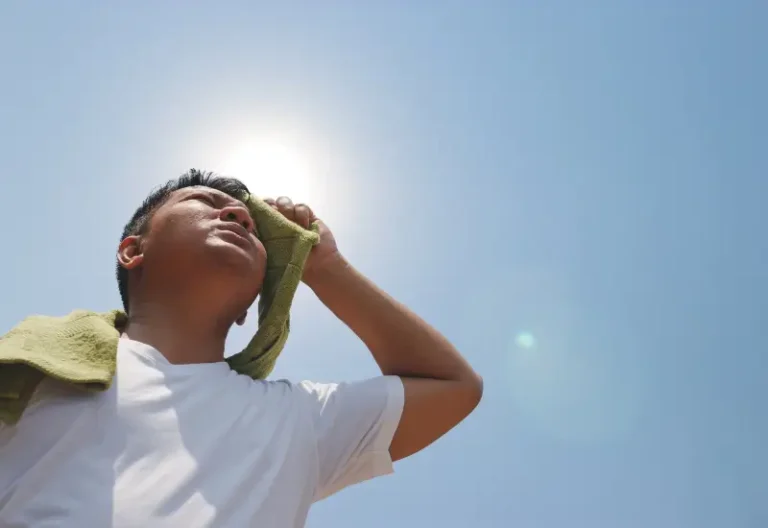
15 Tips For Staying Hydrated in the Heat

Summer is here, which means temperatures are climbing and so is the risk for dehydration. It can be surprisingly easy to become dehydrated while enjoying all the activities the season has to offer, whether that means long days outdoors, backyard gatherings, or simply spending more time in the heat than usual.

Understanding Your Hydration Needs

Staying hydrated is not just about drinking more water. Knowing whether you are at greater risk for dehydration and understanding how much fluid your body actually needs can help you prevent heat related illnesses before they start.

Who Faces the Highest Risk in the Heat

Some people are more likely to become dehydrated during hot weather. Higher-risk groups include:

  • Young children: More vulnerable to dehydration because they can lose fluids quickly.
  • Older adults: Face a higher risk due to age-related changes that can affect fluid balance.
  • People with chronic health conditions: Certain medical conditions that affect fluid balance can increase the risk of dehydration.
  • Athletes and outdoor workers: Prolonged physical activity and heavy sweating increase fluid loss throughout the day.

Being aware of which category you or a loved one falls into can help you stay more proactive about hydration rather than waiting for symptoms to appear before taking action.

How Much Water You Actually Need

General guidelines suggest most adults need somewhere between eight and ten cups of fluid daily, though this number can climb considerably higher during hot weather or intense physical activity.

Your exact needs depend on factors like your body size, activity level, and how much you are sweating on a given day, which can vary significantly from person to person.

Rather than fixating on an exact number, paying attention to your body’s signals, like urine color and thirst, tends to be a more practical way to gauge whether you are drinking enough throughout the day.

Tips to Stay Hydrated

These tips can help you increase your daily fluid intake and reduce your risk of dehydration, especially during hot weather or outdoor activities.

A man drinks water in Houston, TX

Drink Before You Feel Thirsty

Drinking water before you feel thirsty matters more than most people realize, since thirst itself is already a sign of dehydration setting in. Rather than waiting until you feel the need, grab a cup and start drinking proactively. Making hydration part of your regular daily routine helps it feel natural rather than forced.

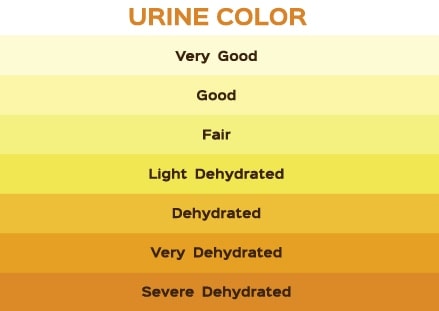
Shades of urine in Houston, TX

Check Your Urine Color

Checking the color of your urine offers a genuinely useful clue about your hydration status throughout the day. Your urine should appear pale yellow, while dark yellow urine signals that you are dehydrated. Not urinating often enough is another sign your body is not taking in enough fluids throughout the day.

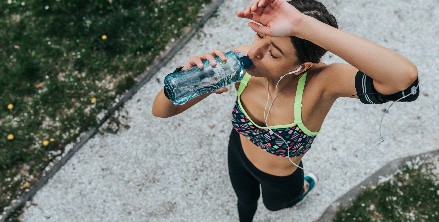
A woman drinks from a bottle of water as she exercises in Houston, TX

Hydrate Around Exercise

Drinking water before, during, and after exercise remains one of the best ways to replenish fluids as soon as you start losing them through sweat.

Three full beer glasses in Houston, TX

Avoid Alcohol

Alcohol is extremely dehydrating, since it acts as a diuretic that prompts you to urinate more often than necessary, releasing the very fluids that keep you hydrated throughout the day.

avoid energy dinks

Skip Energy Drinks

Energy drinks carry high amounts of caffeine that can dehydrate you quickly, and they also cause the heart to pump faster, which increases the likelihood of heatstroke.

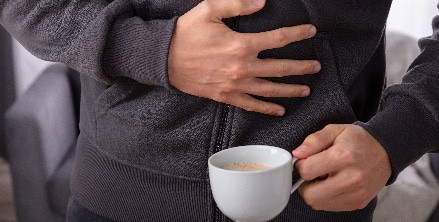
avoid coffee

Limit Coffee and Tea

Coffee and tea act as diuretics as well, though these two drinks remain daily survival tools for many people trying to get through a busy workday. You do not have to cut them out entirely, but replacing a cup here or there with water genuinely benefits your body over time and adds up meaningfully.

A family eats fruits and vegetables in Houston, TX

Eat Water Rich Fruits and Vegetables

Fruits and vegetables naturally contain high water content, which means you can hydrate yourself without even realizing it through the foods you already enjoy.

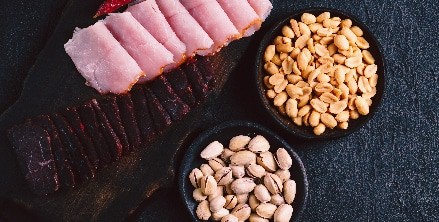
Nuts and deli meat in Houston, TX

Replace Sodium With Salty Foods

Salty foods can be beneficial when you are sweating excessively, such as during an intense workout, since they help replace lost sodium.

A woman drinks chocolate milk in Houston, TX

Drink Chocolate Milk After Exercise

Chocolate milk provides protein, carbohydrates, and electrolytes, making it a surprisingly effective post activity drink for many people.

Fruit and vegetable juices in Houston, TX

Add Soups and Vegetable Juices

Soups and vegetable juices add extra water to your diet and count toward your overall daily fluid intake.

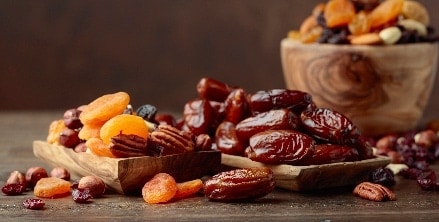
Dried fruits and nuts in Houston, TX

Snack on Dried Fruit and Nuts

Dried fruit and nuts supply potassium, sodium, protein, calories, and carbohydrates, making them hydration friendly snacks to keep on hand for busy days.

water weight

Replace Fluids Lost During Exercise

Drinking three glasses of water for every pound you lose during exercise helps you recover the water weight you shed through sweat and stay properly balanced. Considering a sports drink during an intense workout can also help you regain lost electrolytes more effectively than water alone.

A woman writes in a notepad while drinking water in Houston, TX

Track Your Water Intake

Tracking your water intake helps you notice how little or how much you actually drink in a given day. Making it a habit to write down how often you refill your water bottle, then setting a personal goal based on the weather or your activity level, can help you stay consistently on track.

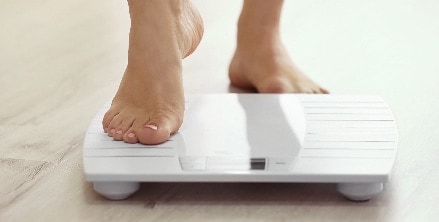
A woman steps on a scale in Houston, TX

Weigh Yourself Before and After Workouts

Weighing yourself before and after a workout can help determine how much water weight you are losing during exercise, though the goal here is staying hydrated rather than tracking weight loss for its own sake.

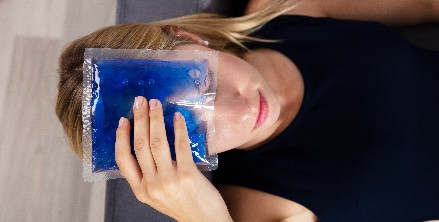
A woman puts a cold compress on her head in Houston, TX

Use Cooling Compresses

Applying cooling compresses to your head, neck, and chest can help if you are struggling to maintain a normal body temperature during the hottest part of the day. Recovering afterward by drinking water slowly, rather than all at once, tends to work best for your body.

Water Facts

You hear constantly that drinking water matters, but rarely hear exactly why, which makes it easy to disregard the advice even though doing so can be genuinely dangerous over time. Water is a nutrient your body relies on directly, and it plays an essential role in removing waste and toxins from your system throughout each day.

A glass of water in Houston, TX

Why Water Plays Such a Central Role

A lack of water leads to constipation and kidney issues, since the waste that remains in your body can become uncomfortable, painful, and even toxic over time.

Water also regulates your body temperature, and since heat and exercise naturally raise your internal temperature, not drinking enough water can cause it to climb to genuinely dangerous levels.

Heatstroke occurs when your vital organs become overheated, and water is what helps cool them back down. You can survive roughly three weeks without food but only a matter of days without water, and less than 30 percent of your body is actually made of anything other than water.

Staying Hydrated During Outdoor Activities

Outdoor activities in the heat call for a somewhat different hydration strategy than a typical day indoors. Starting the day already well hydrated, rather than trying to catch up once you are already outside, makes a genuine difference in how well your body handles the heat throughout the day.

Bringing more water than you think you will need, taking breaks in the shade when possible, and pacing yourself during physical activity all help reduce your overall risk.

Checking in periodically with how you feel, rather than waiting until symptoms become obvious, gives you the best chance of catching dehydration early before it becomes a bigger problem.

Recognizing the Signs of Dehydration

A man suffering from dehydration holds his head and sits on a couch in Houston, TX

Common signs of dehydration include:

  • Dark-colored urine: One of the most common early signs of dehydration.
  • Constipation: Can develop as the body becomes dehydrated.
  • Persistent thirst: A frequent early indicator that your body needs more fluids.
  • Tiredness: Often develops as dehydration progresses.
  • Headaches: May occur as fluid loss worsens, and understanding when a headache needs medical attention can help you determine whether your symptoms point to dehydration or a more serious condition.
  • Lightheadedness: Can occur as dehydration becomes more severe.
  • Vomiting: May develop in more severe cases and suggests the condition has progressed beyond what can typically be managed at home.

Heat Exhaustion Versus Heatstroke

Heat exhaustion typically develops first and includes symptoms like heavy sweating, weakness, cool and clammy skin, and a rapid but weak pulse. Moving to a cooler location, loosening tight clothing, and sipping water slowly can often help resolve heat exhaustion before it progresses further into something more serious.

Heatstroke represents a far more dangerous escalation, marked by a body temperature above 103 degrees Fahrenheit, hot and dry or damp skin, a rapid and strong pulse, and possible confusion or loss of consciousness. Heatstroke is a genuine medical emergency that requires immediate attention rather than home treatment alone.

The Real Consequences of Dehydration

Heatstroke can lead to organ damage, seizures, coma, or death if left unaddressed. Beyond simply being mindful about staying hydrated in the heat, taking drinking water seriously matters, since it can be dangerously easy to end up in a situation this severe without realizing how quickly it can escalate.

Practical Habits Worth Building Long Term

Staying hydrated is not just a summer concern, and understanding healthy lifestyle habits can help you build hydration into a broader, year round approach to wellness rather than treating it as a seasonal afterthought that only matters when temperatures rise.

Making small adjustments now often prevents more serious complications from developing later, especially during periods of intense heat throughout the summer months.

If symptoms progress and home remedies are not enough, understanding urgent care IV fluid treatment can help you decide where to seek treatment when oral rehydration alone is not cutting it.

Why Village Emergency Center Is Ready to Help With Dehydration

A doctor helps a patient with an IV in Houston, TX

Staying hydrated matters more than most people realize, but dehydration can sometimes escalate quickly despite your best efforts. Village Emergency Center is open 24 hours a day, every day of the year, with board certified physicians ready to provide the quality medical care you deserve.

Families in League City and Jersey Village trust us just as much as those near our Clear Creek location, where our team is ready to help the moment dehydration symptoms leave you needing real relief and real answers. Reach out to Village Emergency Center whenever you need physicians you can trust.

Frequently Ask Questions

Proper hydration helps regulate body temperature, prevent heat exhaustion, support organ function, and reduce the risk of dehydration-related medical emergencies.

Common dehydration symptoms include dizziness, dry mouth, headache, fatigue, dark urine, muscle cramps, and feeling unusually weak during heat exposure.

Water needs vary by activity and temperature, but frequent hydration throughout the day helps replace fluids lost through sweating and outdoor heat exposure.

Water, electrolyte drinks, coconut water, and beverages with low sugar content can help maintain hydration levels during prolonged heat or outdoor activities.

Yes. Fruits and vegetables like watermelon, cucumbers, oranges, and strawberries contain high water content that helps support daily hydration naturally.

Medical care may be needed if dehydration causes confusion, fainting, rapid heartbeat, severe weakness, or inability to keep fluids down during extreme heat.

Similar Posts