
Every woman knows period discomfort. A dull ache, some bloating, a day where you would rather stay in bed. That is common. That is expected. But what about pain so severe it stops you from going to work? Pain that makes you vomit. Cramp that sends you to the floor. Bloating that no amount of ibuprofen touches. That is not just “bad cramps.” That is your body signaling that something may be seriously wrong. Severe menstrual cramps, medically called dysmenorrhea, affect up to 20% of women so severely that daily life becomes impossible during their period.
Yet most women are told to simply push through it. They are not given answers. They are not told when pain crosses from normal into dangerous. This guide changes that. You deserve to know the difference, and you deserve real solutions.
What Are Menstrual Cramps?
Menstrual cramps occur because the uterus contracts to shed its lining each month. For most women, these contractions cause mild to moderate discomfort. For others, those contractions become intense, sustained, and debilitating.
Severe menstrual cramps, or dysmenorrhea, are characterized by pain that is significantly more intense than typical period discomfort. There are two distinct types.
Primary Dysmenorrhea
Primary dysmenorrhea refers to menstrual cramps that occur without an underlying medical condition. The pain is caused purely by the natural hormonal processes of menstruation. This type is most common in teenagers and younger women. It often improves with age and frequently decreases after childbirth.
Secondary Dysmenorrhea
Secondary dysmenorrhea is menstrual pain caused by an identifiable underlying medical condition. This type tends to worsen over time rather than improve. It often starts later in life, in women in their 20s and 30s, after years of relatively manageable periods. Secondary dysmenorrhea is the type that raises the most serious medical concerns and requires thorough evaluation.
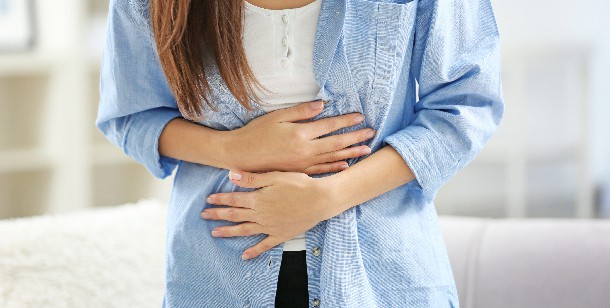
What Does Severe Menstrual Pain Feel Like?
Understanding the specific characteristics of severe cramps helps distinguish them from normal period discomfort.
Characteristics of Severe Menstrual Cramps
- Intense, sharp, or stabbing pain in the lower abdomen
- Pain that radiates into the lower back and down the inner thighs
- Cramping that begins one to three days before menstruation starts
- Pain that lasts for the entire duration of the period, not just the first day
- Cramping that comes in waves but never fully releases
- Pressure or heaviness in the pelvic region throughout the day
Accompanying Symptoms That Indicate Severe Dysmenorrhea
Mild cramps rarely produce symptoms beyond localized abdominal discomfort. Severe cramps frequently come with a cluster of additional symptoms:
- Nausea and vomiting
- Diarrhea or loose stools during the period
- Dizziness or lightheadedness
- Fainting or near-fainting episodes
- Extreme fatigue that goes beyond typical period tiredness
- Headaches and general body aches
- Pale, clammy skin during peak pain episodes
If you regularly experience several of these symptoms together, your menstrual pain is not something to normalize or push through. It warrants a conversation with a medical professional.
What Causes Severe Menstrual Cramps?
The root cause of all menstrual cramping is prostaglandins, hormone-like compounds that trigger uterine muscle contractions. Women with severe cramps have significantly higher prostaglandin levels than those with mild cramps. These elevated levels cause the uterus to contract more intensely and more frequently, temporarily restricting blood flow to the uterine muscle. The resulting oxygen deprivation produces the intense, cramping pain.
But prostaglandin levels alone do not explain all cases of severe dysmenorrhea. Several underlying conditions and lifestyle factors amplify pain significantly.
Medical Conditions That Cause Severe Menstrual Cramps
Endometriosis
Endometriosis is one of the most common and most underdiagnosed causes of severe menstrual pain. It occurs when tissue similar to the uterine lining grows outside the uterus, on the ovaries, fallopian tubes, bladder, or bowel. This tissue responds to hormonal changes just like the uterine lining does. It swells, bleeds, and has nowhere to go. The result is intense inflammation, severe cramping, and in many cases, chronic pelvic pain throughout the month, not just during menstruation.
Endometriosis affects an estimated 1 in 10 women of reproductive age. Many go undiagnosed for years, sometimes a decade or more, because their pain is dismissed as “just bad periods.”
Uterine Fibroids
Fibroids are non-cancerous growths that develop in or on the uterine wall. They can range from the size of a seed to the size of a grapefruit. Large or numerous fibroids distort the uterine cavity and significantly intensify menstrual contractions. Fibroids also commonly cause heavier-than-normal menstrual bleeding.
Adenomyosis
Adenomyosis occurs when the tissue that normally lines the uterus grows into the muscular wall of the uterus itself. The uterus becomes enlarged and tender. Menstrual cramps associated with adenomyosis are typically more severe, longer-lasting, and accompanied by unusually heavy bleeding. This condition is most common in women in their 40s but can occur at any reproductive age.
Pelvic Inflammatory Disease (PID)
PID is an infection of the female reproductive organs, usually caused by untreated sexually transmitted infections. Chronic pelvic inflammation from PID significantly worsens menstrual pain. PID also carries serious risks to long-term fertility if left untreated.
Ovarian Cysts
Ovarian cysts, particularly endometriomas associated with endometriosis, can dramatically worsen menstrual pain. A cyst that ruptures during menstruation can cause sudden, severe pelvic pain that is distinctly different from normal cramping. Learn more in our detailed guide on can birth control cause ovarian cysts for a full overview of how cysts and hormones interact.
Intrauterine Devices (IUDs)
Copper IUDs in particular are associated with increased menstrual cramping, especially in the first three to six months after insertion. Hormonal IUDs, by contrast, often reduce menstrual pain over time.
Lifestyle and Personal Factors That Worsen Cramps
- Age: Younger women and teenagers typically experience more intense cramps due to higher prostaglandin sensitivity
- Smoking: Nicotine restricts blood flow, worsening uterine oxygen deprivation during contractions
- Chronic stress: Stress elevates inflammatory markers throughout the body, amplifying prostaglandin effects
- Lack of exercise: Physical inactivity reduces endorphin production, lowering the body’s natural pain threshold
- Poor diet: High-fat, high-sugar, and high-caffeine diets promote inflammation and can worsen cramping
- No prior pregnancies: Women who have never been pregnant tend to experience more intense primary dysmenorrhea
When Are Severe Menstrual Cramps Not Normal?
This is the critical question. Society has long told women to endure period pain. The result is that serious underlying conditions go undiagnosed for years while women suffer unnecessarily. Here is a clear framework for recognizing abnormal menstrual pain.
Your Menstrual Pain Is Likely Abnormal If:
- The pain consistently stops you from going to work, school, or performing daily tasks
- You need prescription-strength pain medication or multiple doses of NSAIDs just to function
- Pain management methods that previously worked no longer provide any relief
- Your cramps have significantly worsened over the past year or two
- The nature of your pain has changed, it now radiates differently, lasts longer, or feels different
- You experience pelvic pain throughout the month, not just during your period
- Intercourse is painful
- Your periods have become significantly heavier than they used to be
- You have unexplained difficulty getting pregnant
Any of these patterns warrants professional medical evaluation. They are not signs to push through. They are signs to act on. Our women’s health emergency team is available around the clock for severe menstrual emergencies that cannot wait for a regular appointment.
How to Manage Severe Menstrual Cramps
Effective management of dysmenorrhea combines evidence-based home strategies with professional medical treatment when necessary.
Over-the-Counter Pain Relief
NSAIDs, Ibuprofen and Naproxen
Non-steroidal anti-inflammatory drugs are the most effective over-the-counter treatment for menstrual cramps. They work by directly blocking prostaglandin production, addressing the root hormonal cause of the cramping, not just masking the pain signal. For best results, begin taking NSAIDs one to two days before your period is expected to start. Do not wait until the pain is already severe. Take them consistently on schedule for the first two to three days rather than only when pain peaks.
Heat Therapy
Heat is one of the most effective non-medication treatments for menstrual cramps. Applying heat to the lower abdomen relaxes the contracting uterine muscles and improves blood flow to the area. A heating pad, hot water bottle, or warm bath all work well. Apply heat for 15 to 20 minutes at a time. Heat therapy combined with ibuprofen provides significantly better relief than either treatment alone.
Diet Adjustments During Your Period
What you eat directly affects inflammation levels in your body, and inflammation worsens cramps. During your period and the days leading up to it:
Eat more of these:
- Fatty fish like salmon, sardines, and mackerel, rich in omega-3 fatty acids that reduce inflammation
- Dark leafy greens, high in magnesium, which relaxes muscle contractions
- Fruits high in antioxidants, blueberries, cherries, and citrus
- Whole grains that stabilize blood sugar and reduce inflammatory spikes
- Nuts and seeds, particularly flaxseeds and walnuts for their anti-inflammatory fats
Eat less of these:
- Caffeine, constricts blood vessels and worsens cramping
- Alcohol, increases prostaglandin production
- Salty foods, contribute to bloating and pelvic pressure
- Processed sugars, spike inflammatory markers rapidly
- High-fat dairy products, contain arachidonic acid which promotes prostaglandin synthesis
Regular Exercise
Physical activity is one of the most underused treatments for dysmenorrhea. Exercise releases endorphins, your body’s natural painkillers. It improves circulation to the pelvic region and reduces overall inflammation. Aerobic exercise in the week before your period is particularly effective. Even a 30-minute walk produces measurable pain reduction in many women with dysmenorrhea. Learn how to exercise safely during recovery in our blog on common gym injuries.
Stress Management
Stress is a genuine physiological amplifier of menstrual pain, not just a psychological perception. Chronic stress raises cortisol levels, which disrupts hormonal balance and increases inflammatory prostaglandin production. Practices that meaningfully reduce stress include yoga, meditation, deep breathing exercises, progressive muscle relaxation, and regular walking in nature. Building these into your routine throughout the month, not just during your period, produces the strongest protective effect.
Hydration
Staying well-hydrated reduces bloating and pelvic pressure during menstruation. Drink at least 8 glasses of water daily in the days leading up to and during your period. Herbal teas, particularly ginger and chamomile, have mild anti-spasmodic properties that can ease uterine contractions.
Sleep
Your body repairs and regulates inflammation during sleep. Poor sleep during your period amplifies pain perception and worsens fatigue. Prioritize 7 to 9 hours of sleep per night during menstruation. Use a heating pad before bed if cramping interferes with falling asleep.
Professional Treatment Options for Severe Dysmenorrhea
When home management is not providing adequate relief, medical treatment is both appropriate and necessary.
Hormonal Treatments
Combined Oral Contraceptives
Birth control pills containing both estrogen and progestin suppress ovulation and significantly reduce prostaglandin production. Many women with severe dysmenorrhea experience dramatic improvement in pain levels after starting combined oral contraceptives. They are often the first-line medical treatment for primary dysmenorrhea.
Hormonal IUDs
The hormonal IUD releases progestin locally within the uterus. It thins the uterine lining and dramatically reduces both menstrual bleeding and cramping. Many women with hormonal IUDs eventually experience very light periods or none at all, and significantly reduced pain.
Hormonal Injections and Implants
Other hormonal options like the contraceptive injection or implant also suppress ovulation and reduce prostaglandin levels. These are alternatives for women who cannot tolerate or prefer not to take daily pills.
Prescription Pain Management
For severe dysmenorrhea that does not respond fully to over-the-counter NSAIDs, prescription-strength anti-inflammatory medications or other pain management strategies may be needed. Our pain management team can evaluate and address acute menstrual pain emergencies.
Surgical Options
When an underlying condition like endometriosis or fibroids is causing severe dysmenorrhea, surgery may be the most effective long-term solution.
Laparoscopy for Endometriosis
Minimally invasive laparoscopic surgery allows surgeons to visualize and remove endometrial tissue growing outside the uterus. This provides significant pain relief for most women with endometriosis, though the condition can recur over time.
Myomectomy for Fibroids
A myomectomy removes uterine fibroids while preserving the uterus. This significantly reduces cramp severity and heavy bleeding caused by fibroids.
Endometrial Ablation
This procedure destroys the uterine lining and is appropriate for women with adenomyosis or severe primary dysmenorrhea who have completed childbearing. It dramatically reduces or eliminates menstrual bleeding and associated cramping.
When Menstrual Pain Is a Medical Emergency
Some episodes of severe menstrual-type pain are not dysmenorrhea at all. They are acute emergencies that require immediate care.
Go to the Emergency Room Immediately If You Experience:
- Sudden, severe pelvic pain that is dramatically worse than your typical cramps
- Pain accompanied by fever above 101°F, this suggests pelvic infection
- Fainting or loss of consciousness from pain
- Heavy bleeding that soaks more than one pad or tampon per hour for two or more consecutive hours
- Bleeding accompanied by dizziness, rapid heartbeat, or difficulty breathing
- Severe pain on one side only, this could indicate a ruptured ovarian cyst or ectopic pregnancy
- Shoulder pain alongside pelvic pain, a sign of internal bleeding
- Sudden pain in someone who has never had significant cramps before
These presentations are emergencies. Do not take more pain medication and wait. Do not assume it is “just your period.” Get evaluated immediately.
Frequently Ask Questions
Why Village Emergency Center Stands With Women’s Health
Women deserve emergency care that takes their pain seriously. Village Emergency Center is open 24 hours a day, every day, no appointments, no dismissive wait times, and no minimizing of your symptoms. Patients across ER in League City , Emergency room in Jersey Village, and Clear Creek ER trust us because our board-certified emergency physicians treat women’s reproductive pain with the urgency and respect it deserves. We have on-site ultrasound, laboratory testing, and pain management resources available around the clock. If your menstrual pain has become unbearable, is accompanied by alarming symptoms, or simply does not feel right, do not wait for a weekday appointment. Schedule your visit or walk in right now, your pain matters and we are here for it.