
The coronavirus pandemic has caused many businesses to close down in order to prevent the spread of COVID-19. As months go on, many cities in the United States are now allowing these businesses to reopen. But with the coronavirus pandemic still at large, many businesses are hesitant to reopen but are no longer able to survive financially unless they do. This is resulting in many high-risk environments reopening prematurely. One common business that is struggling during these times is child care programs. Keep reading to learn more about the risks associated with sending children back to daycare, and the likelihood of kids getting sick at daycare.
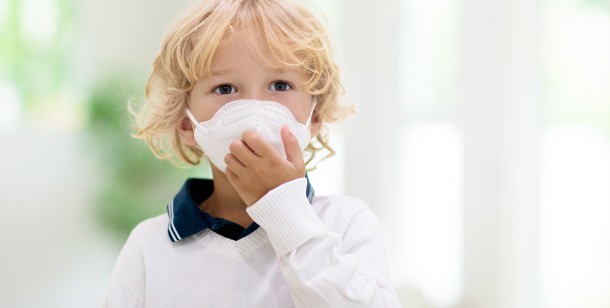
How High is the Risk of Children Getting Sick at Daycare?
Playgrounds are breeding grounds for germs and, as most people know, young children are very unlikely to respect personal space. If daycares were to reopen, it would be very difficult to enforce social distancing and proper handwashing protocol, although it might be possible to promote sanitary practices with hand sanitizer. It would also be very difficult to make sure that children, parents, or staff that were exposed stay home. Children are also more likely to remove a face mask or facial covering throughout the day, causing a higher threat for everyone around them.
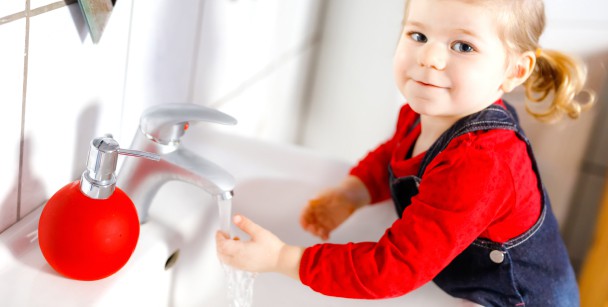
Should Daycares Open if Schools Do?
Many parents and politicians are pushing for schools and child care programs to reopen, and it’s no wonder why. Across the country, adults are being sent back to work full-time and essential businesses have remained open. But parents have no options for the care of their children as schools, recreational camps, sports, and daycare facilities are still unopened in many places.
Because it seems that schools are more likely to reopen that daycares, many are arguing that if one is allowed to operate, the other should be too. However, children of school age (even kindergarten students) are more able and likely to follow safety instructions. Schools also typically have more space and are consequently in a better position to effectively social distance. Most daycare centers are run by small business owners and oftentimes operate inside a private home; this presents a risk to public health for all involved. These facts all point to daycare attendees being at a higher risk for infection.
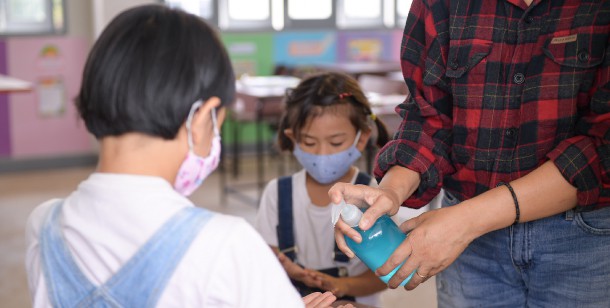
What Measures Can Daycares Take to Slow the Spread?
The Centers for Disease Control and Prevention state that the best precautions to take against coronavirus are to social distance, quarantine, and stay home. If this is not possible, then it is imperative to establish a schedule to clean and disinfect the facilities so that germs are not so easily spread. Children and staff at daycares should also have their temperature taken daily upon arrival, as well as the temperature of whoever drops them off. Frequently washing hands and using hand sanitizer are also important to keep those grubby kid hands COVID-free. Wearing masks would have to be required by the staff and preferably the children; however, daycare ages range from infancy to 3 or 4 years old, so it would be difficult to regulate that behavior.
Visit Village Emergency Centers
At Village Emergency Centers, we understand that you want the best for your child. If you have any questions about kids getting sick at daycare, think that you or your child might be infected, or simply are looking for more COVID-19 pandemic information, do not hesitate to contact us today. We are a fully-functioning, 24/7 emergency room with affordable drive-through coronavirus testing available. Give us a call or visit come of our locations in the Greater Houston area today!