
Everyone experiences a swollen eyelid or eye at some point in their lives. And because the eyes are one of the most sensitive and relied-upon organs of the body, it can be scary when they suddenly swell or become irritated. Not all cases of a swollen eye or eyelid are caused by an alarm, but because the eye is so easily damaged, you should be proactive in figuring out the cause so you know how to proceed. Keep reading to learn how to treat red swollen under eyes, what causes them, and when you need to see a medical professional.
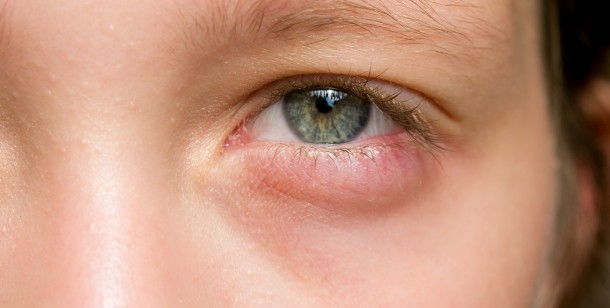
What is a Swollen Eyelid
A swollen eyelid or eye is the enlargement of the upper and/or lower eyelids due to inflammation, irritation, or fluid buildup. This can be caused by any number of issues, but usually swelling is due to allergies, a foreign object, or some other irritation. The swelling itself is a physical response from your body, blood vessels in the eyelid dilate and fluid accumulates in the surrounding tissue as part of the inflammatory process.
While swollen eyes are often harmless and resolve on their own, they can occasionally be a sign of a more serious underlying condition. Understanding the difference between a minor reaction and a situation that requires medical intervention can save your vision and prevent complications from developing.
The Difference Between Red Puffy Eyes and Red Swollen Eyes
Some people tend to confuse swollen eyes with red puffy eyes. And although the symptoms may look similar to the untrained eye, there is a stark difference between the two. Puffy eyes are typically a cosmetic or lifestyle-related issue, while swollen eyes can indicate inflammation, infection, or an allergic reaction that may require treatment.
Causes of Red Puffy Eyes:

Eating too much salt
Ingesting excessive sodium can make your body retain water, causing puffiness in your face and body. After a particularly salty meal, you may notice that the delicate skin around your eyes looks puffy and swollen. This is easily remedied by drinking plenty of water to flush out the sodium and eating potassium-rich foods like yogurt, potatoes, dried apricots, or bananas.
Dehydration
Not drinking enough water is a very common cause of eye puffiness. When the body is dehydrated, it tends to retain whatever fluid it can, and the under-eye area is particularly susceptible to this effect because the skin there is so thin. Drinking the recommended daily amount of water consistently is one of the simplest ways to prevent fluid-related eye puffiness.
Lack of sleep
We’re all guilty of not getting enough sleep, but puffy eyes and accelerated aging are often the result. During sleep, your body regulates fluid and repairs itself. Without adequate rest, fluid can pool around the eyes, resulting in that familiar morning puffiness.
Aging
Even the most graceful agers are susceptible to the effects of time. Because the skin under your eyes is so thin and delicate, it is one of the first parts of your body to show signs of aging. Over time, the tissue around the eyelids may weaken, causing fat in the upper eyelid to shift toward the under-eye area. Fluid retention is also more common in older individuals, making this a persistent concern as we age.
Crying
Crying causes fluid to collect around the eyes, causing puffiness. This usually goes away on its own but can also be remedied with a cool compress applied to the eye area for 10 to 15 minutes.
Smoking
Smoking cigars, cigarettes, vaping, or anything else can all cause irritation to your eyes. Even just being exposed to secondhand smoke can trigger under-eye puffiness. If you notice a reaction to smoke, take care to thoroughly wash your hair, clothes, or anything that might be holding onto residual smoke particles.
Alcohol
Alcohol severely dehydrates you, so try to stay away from it if you are concerned with waking up with puffy eyes. Alcohol also disrupts your sleep cycle, which compounds the puffiness effect. At the very least, avoid drinking alcohol or other dehydrating drinks the night before a big event.
Generally, puffy eyes are harmless and very easily treated at home. However, swelling under the eyes may indicate more serious issues that deserve closer attention.
Possible Causes of Red Swollen Eyes
Swollen eyes can range from morning puffiness to red, irritated, and fully swollen-shut eyes. And like the range in severity, there are also numerous things that can cause this type of symptom. Here are some common issues that cause swollen eyes:

Allergies
Allergies are one of the most common causes of a swollen eyelid. They may cause fluid to build up around the eyes, as well as redness and itchiness. Common allergens include pollen, dust, smoke, animal dander, chemicals, and perfume. In Houston and across Texas, allergy seasons can be intense and year-round, making allergic eye swelling a frequent complaint. If you are regularly experiencing swollen, watery, or itchy eyes during certain seasons, understanding can allergies cause body aches and broader inflammatory symptoms can help you recognize how wide-reaching an allergic response can be and when it warrants professional care.
Stye
A stye is a red, pimple-looking bump that forms on the edge of the eyelid. It is caused by blocked pores or oil glands and can cause soreness, pain, swelling, discharge, and teary eyes. Most styes resolve with warm compress therapy within one to two weeks, but those that cause vision changes or severe swelling require emergency evaluation. For more information, read “Should You Go to the ER For a Stye on the Eye?“
Orbital cellulitis
This is an infection of the soft tissues and fat that keep the eye secure in the socket. It is most commonly caused by the bacterium Streptococcus and typically occurs in children, though adults can also be affected. Orbital cellulitis is a serious, potentially vision-threatening condition that requires immediate medical treatment. Symptoms include a protruding eye, double vision, significant vision changes, nasal tenderness, and pain with eye movement. If you or a child is experiencing these symptoms alongside a swollen eye, do not wait, seek emergency care immediately.
Periorbital cellulitis
Unlike orbital cellulitis, periorbital cellulitis is an infection of the eyelid or the skin directly surrounding it. It is caused by bacteria attacking the soft tissue and is most commonly introduced through a small cut, a sinus infection, or as a complication of a stye. Though it is more common in children, adults can be affected as well. Periorbital cellulitis requires antibiotic treatment and can progress rapidly if left unaddressed. Swelling that spreads beyond the immediate eyelid area, is warm to the touch, and is accompanied by fever are the hallmark signs that this condition may be present.
Conjunctivitis
Also known as pink eye, conjunctivitis is a viral or bacterial infection of the thin tissue lining the eyelids. It is highly contagious and can affect one or both eyes. It can also be caused by allergies or exposure to chemical irritants. Common symptoms include redness, discharge, crusting along the lash line, and significant discomfort. Bacterial conjunctivitis typically requires antibiotic eye drops to resolve, while viral conjunctivitis usually clears on its own within 7 to 10 days. To learn more about conditions that can present similarly, visit our guide on what is commonly misdiagnosed as pink eye.
Foreign object in the eyes
Whether it be a piece of debris, an eyelash, dust, or even a torn fragment of a contact lens, a foreign object in the eye can cause intense irritation, redness, and swelling. In most cases, flushing the eye with a saline solution is effective for removing minor debris. However, if the object cannot be removed by flushing, if it has penetrated the eye’s surface, or if significant swelling or vision changes are present, seek professional medical care immediately. Never rub the eye or attempt to remove an embedded object yourself, as this can cause further injury.
How to Treat Red Swollen Eyes at Home
For mild to moderate cases of red swollen eyes, particularly those caused by allergies, minor irritation, or early-stage styes, there are several effective at-home approaches:
- Apply a cool compress to reduce swelling and soothe irritation. Use a clean cloth dampened with cool water and hold it gently against the closed eye for 10 to 15 minutes.
- Use over-the-counter antihistamine eye drops if allergies are the suspected cause. These can quickly reduce itching, redness, and swelling.
- Rinse the eye with sterile saline solution if a foreign object or irritant is suspected.
- Avoid rubbing or touching the eye, as this can worsen inflammation and introduce additional bacteria.
- Remove contact lenses until the swelling and redness have fully resolved.
- Stay well-hydrated and avoid salt, alcohol, and other factors that contribute to fluid retention.
These measures are appropriate for minor symptoms. However, they are not substitutes for medical evaluation when the situation involves infection, significant pain, or changes in vision.
When You Should See a Doctor
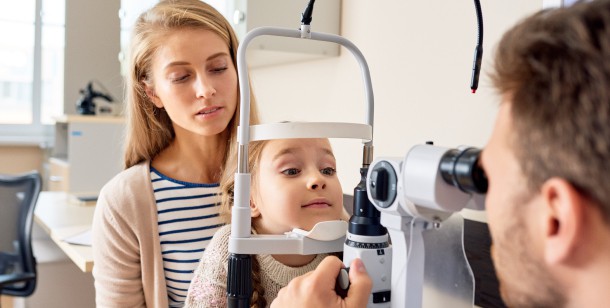
Some causes of swollen under eyes are no cause for concern, but others warrant immediate medical attention. As a rule, head to the doctor right away if you are experiencing any of the following:
- Symptoms that have not improved or have worsened after a few days of home care
- Extreme pain in or around the eye
- Impaired, blurred, or double vision
- Bleeding from or around the eye
- Swelling that spreads beyond the eyelid to the surrounding face
- A fever accompanying the eye swelling
- An eye that is swollen completely shut
If the cause appears to be a common eye infection or something equally minor like mild seasonal allergies, over-the-counter allergy and anti-inflammatory medication as well as saline solution may be all that is needed. However, when in doubt, it is always safer to seek professional evaluation than to wait and risk your vision or allow an infection to spread.
Visit Village Emergency Centers
If you want to learn more about how to treat red swollen eyes and red puffy under eyes, or if your symptoms have crossed the threshold into urgent territory, Village Emergency Centers is here to help. Our board-certified doctors are equipped to treat eye-related emergencies and handle all your other ER needs with no wait times and expert care around the clock. With convenient locations in Jersey Village and League City, as well as across the Greater Houston Area, we are here to provide 24/7 compassionate and timely treatment. Feel free to reach out to our team before your visit or simply walk straight in, we are always ready to help.