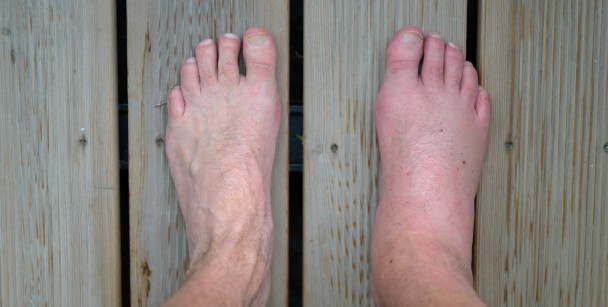
Stepping on a nail is a surprising and painful experience. If the nail is particularly sharp and angled upright, it can puncture a hole deep in the sole of your foot. Not only will this make moving around difficult, but it can cause potentially harmful complications. Proper care immediately following the injury is essential to prevent complications and excessive bleeding. Keep reading to learn more about the appropriate at-home care for a nail in foot, the potential dangers, and when you should see a doctor.
What Do You Do If You Step on a Nail
Time is of the essence with this kind of injury, but depending on its severity, you may be able to treat yourself at home. If your wound isn’t particularly deep or large, follow our steps listed below:
Wash your hands
It may be tempting to jump right in and start touching the wound, but you need to wash your hands first. Odds are that you aren’t indoors if you’ve stepped on a nail, which means your hands are probably covered in germs. The last thing you want is to cause an infection while trying to care for the injury, so take the time to complete this first step. Soap and water are always the best option, but if they are not readily available, hand sanitizer will do in a pinch. Spending just 20 seconds scrubbing your hands thoroughly before touching the wound can significantly reduce the risk of introducing additional bacteria.
Stop the bleeding
Not all nail punctures bleed, but if yours does, apply gentle pressure with a clean cloth to encourage clotting. Be wary about applying too much pressure, as this can cause excessive pain and may disrupt the natural clotting process. If the bleeding does not slow after 10 minutes of steady, gentle pressure, this is a signal that the wound may be deeper or more serious than it appears, and professional evaluation becomes necessary. Do not remove the cloth if it becomes saturated, add more material on top and maintain pressure.
Clean the wound
Nails found lying on the ground are very likely to be contaminated with bacteria and other germs, especially if the nail is rusty or visibly dirty. To prevent infection and illness, cleaning the wound is essential and should not be skipped or rushed. Failing to clean it properly may result in a tetanus-related infection or require a tetanus shot to protect against it. Rinse the wound thoroughly with clean running water for several minutes, then carefully wash around the surrounding skin with mild soap.
Avoid scrubbing directly inside the wound, as this can push debris deeper. If the foreign object is still in your foot, it’s best to leave it in place and go to the ER immediately. Should you prefer to remove it yourself, only do so if the nail appears short and has not penetrated more than half an inch into the foot. An object lodged more deeply than that requires professional removal to avoid further tissue damage.
Apply Antibiotic Ointment
After you have ensured that the wound is clean, keep it that way by applying an antibiotic ointment. This will protect the puncture wound from bacterial entry and help prevent infection throughout the healing process. Some effective and affordable options include Neosporin, Terrasil, and Betadine.
Apply a thin layer over the wound opening before covering it. If you notice any reaction to the ointment such as increased redness, rash, or itching, discontinue use and consult a healthcare provider for an alternative.
Cover the wound
Because it’s difficult to avoid putting pressure on your feet throughout daily life, puncture wounds on the foot tend to take longer to heal than similar injuries elsewhere on the body. Keep debris out of the wound with a protective bandage and change it at least once a day, preferably after showering, or whenever it becomes wet or dirty.
Using a non-adhesive dressing over the wound helps prevent the bandage from sticking to the healing tissue and causing pain during changes. Keeping the foot elevated when possible in the first 24 to 48 hours can also help reduce swelling and encourage proper circulation.
Monitor the wound
Even if you do everything right, the wound may still become infected. Pay close attention to the surrounding area in the days and weeks following the injury to make sure you are not seeing any signs of infection.
Puncture wounds can appear to be healing on the surface while an infection develops deeper in the tissue, so monitoring goes beyond just looking at the skin’s appearance. If you are ever unsure whether your wound is progressing normally, understanding how to tell if a wound is healing or infected is an important resource to help you know when to act.
Is It Normal for Your Foot to Swell After Stepping on a Nail?
After this sort of injury, you are likely to experience some swelling. But there does come a point when swelling may indicate something more serious. Look for signs of infection if the swelling in your foot becomes increasingly worse or does not go away for several days.
Is It Normal for Your Foot to Swell After Stepping on a Nail?
After this sort of injury, you are likely to experience some swelling. A moderate amount of swelling in the first 24 to 48 hours is a normal part of the body’s inflammatory response and is not necessarily a cause for alarm on its own. The body sends extra blood and fluid to the injured area as part of the healing process, which naturally causes some puffiness and tenderness around the wound.
However, there does come a point when swelling may indicate something more serious. Look for signs of infection if the swelling in your foot becomes increasingly worse rather than improving, or does not go away after several days. Swelling that is accompanied by warmth to the touch, expanding redness around the wound site, or difficulty bearing weight on the foot goes beyond what is expected during normal healing and warrants medical evaluation. Swelling that spreads up the foot or into the ankle in the days following the injury is particularly concerning and should not be ignored.
How Do You Know if a Puncture Wound is Infected?
Any time the skin is broken there is a risk of infection. And because nail puncture wounds are usually deep, the risk is especially significant, bacteria are essentially being driven directly into the tissue beneath the skin’s surface.
Potential complications from an infected nail puncture include bone infection (osteomyelitis), tetanus, and in the most severe cases, gangrene. These are serious conditions that require immediate medical intervention, which is why knowing the early signs of infection is so important.
Here are the signs that a wound has become infected and warrants professional care:
Expanding redness around the wound that is spreading rather than staying localized
Cloudy pus or unusual drainage coming from the wound opening
Increased tenderness and swelling beyond what is expected in normal healing
Excessive pain that is worsening rather than gradually improving
Fever above 100.4°F, which signals the body’s immune system is fighting an active infection
Red streaking extending outward from the wound, which can indicate the infection is moving toward the bloodstream
Any of these signs should prompt a visit to an emergency center without delay. Knowing how to tell if you have a skin infection can also help you identify whether what you are experiencing goes beyond normal wound healing and requires urgent attention. Similarly, familiarizing yourself with the broader warning signs of common infections can help you act before a manageable wound becomes a serious health emergency.
Tetanus and Nail Injuries: What You Need to Know
One of the specific concerns with a nail puncture wound is tetanus. Tetanus is caused by a toxin produced by bacteria commonly found in soil, rust, and debris, exactly the environments where stray nails tend to be found. The bacteria enters the body through breaks in the skin and can cause severe muscle stiffening and spasms if not addressed promptly.
If you have not received a tetanus booster within the last five to ten years, a puncture wound from a rusty or dirty nail is reason enough to seek medical evaluation, even if the wound appears minor. A healthcare provider can assess your vaccination status and administer a booster if necessary. Do not assume that because the wound looks small or superficial that tetanus is not a concern, puncture wounds are one of the most common routes of tetanus infection precisely because they are deep and difficult to clean thoroughly.
When to See a Doctor
If the wound is very deep or you experience any symptoms indicating that the injury is infected, seek medical care without delay. The condition of the nail itself can also be a useful indicator of how urgently you need professional care. A rusty, dirty, or contaminated nail significantly increases the likelihood of serious infection and should prompt an ER visit even if the wound initially appears manageable.
If you are uncertain whether your injury needs stitches or further professional treatment, understanding when a puncture wound requires stitches can help guide that decision. Wounds that are deep, will not stop bleeding, or were caused by a dirty object are generally strong indicators that professional evaluation is needed.
People with diabetes should get any kind of foot injury treated by a medical professional immediately. Because diabetes affects circulation and immune response in the extremities, even a small puncture wound on the foot can progress rapidly to a serious ulcer and, in severe cases, may require amputation if not properly managed. The same caution applies to anyone with a weakened immune system or compromised circulation, including elderly patients and those on immunosuppressive medications.
Visit Village Emergency Centers
At Village Emergency Centers, we believe in offering quality care and medical advice. If you have a nail in foot or any other emergency, our board-certified physicians are ready and able to help you around the clock. With locations in League City and Jersey Village, we are open 24 hours a day, 7 days a week with no wait times. Walk straight in or reach out to our team before your visit, we are always ready to help. We offer affordable care with transparent billing and accept most insurances.
Frequently Ask Questions
It depends on the depth of the wound and the condition of the nail. Any deep puncture, a wound caused by a rusty or dirty nail, uncontrolled bleeding, or signs of infection are reasons to seek emergency care. People with diabetes should always go to the ER for a foot nail injury.
An untreated nail puncture can lead to serious complications including deep tissue infection, osteomyelitis (bone infection), tetanus, and in severe cases, gangrene. Early treatment is essential to prevent these outcomes.
If you have not had a tetanus booster in the past five to ten years, or if the nail was rusty or dirty, you should seek medical evaluation. A healthcare provider can determine whether a booster is needed based on your vaccination history.
Minor nail punctures typically heal within one to two weeks with proper at-home care. Deeper wounds or those that develop infection will take longer and may require prescription antibiotics or other medical treatment to resolve.
Yes. If a nail penetrates deeply enough, it can reach the bones of the foot and introduce bacteria directly to bone tissue, causing osteomyelitis. This is a serious infection that requires aggressive antibiotic treatment and, in some cases, surgery.