
For many people, seasonal allergies feel like a genuine bane of existence throughout much of the year. When watery eyes, a runny nose, and constant sneezing become part of daily life, it is only natural to wonder whether something as simple as vitamin C could help. Research suggests it may support your body’s natural response to allergens by acting as a natural antihistamine and antioxidant, though it is not a replacement for proven allergy treatments.
While spring tends to be the most common season for allergy flares, sufferers can experience symptoms all year long depending on their specific triggers. Because treating seasonal allergies can prove genuinely difficult, many people look to supplements and vitamins to help ease symptoms and improve daily quality of life. This article explores what the research says about vitamin C, how it may help with seasonal allergies, and what other remedies may be worth considering.

Causes of Seasonal Allergies
Allergic reactions happen when your immune system reacts to a foreign substance like pet hair, food, or another irritant, and for seasonal allergy sufferers, this usually means something like pollen or mold spores.
Your immune response involves creating antibodies that identify these allergens as harmful, even when they are not, which triggers sneezing and coughing as your body tries to expel the substance.
An Immune System That Overreacts
To put it plainly, allergy sufferers have immune systems that are a bit dramatic and prone to overreacting to things that pose no real threat at all. Symptoms can sometimes overlap with other illnesses, and understanding cold versus allergy symptoms can help you figure out what you are actually dealing with when symptoms feel unclear.
Recognizing the Most Common Symptoms
Common symptoms of seasonal allergies include:
- Sneezing: One of the most frequently reported allergy symptoms.
- Runny or stuffy nose: Nasal congestion and a runny nose are common during allergy season.
- Itchy or watery eyes: Eye irritation is a hallmark of many seasonal allergies.
- Scratchy throat: Often develops alongside other upper respiratory symptoms.
- Mild fatigue: Many people feel run down even when no other illness is present.
- Skin symptoms: Hives or eczema flares can accompany seasonal allergies, particularly in people whose allergies extend beyond airborne triggers to include contact-based reactions.

Best Vitamin for Allergies
A large number of allergy sufferers find that traditional treatments, namely antihistamines and allergy shots, feel too harsh, often causing side effects like drowsiness and dry skin. As a result, many people look to supplements and vitamins to help manage symptoms instead, hoping for a gentler alternative that still provides real relief.
Vitamin D and Quercetin
Studies have shown that people with vitamin D deficiencies tend to be more prone to developing allergies, which is why taking a multivitamin that includes it is often recommended.
Quercetin, found in red wine, grapefruit, apples, and black tea, offers antioxidant and anti-inflammatory properties that help inhibit histamine release in the body.
Peppermint Oil and Butterbur
Peppermint oil works well for chronic inflammatory conditions and can also help unclog sinuses and soothe a scratchy throat. Butterbur, an anti-inflammatory herb, has been shown to relieve seasonal allergy symptoms, particularly hay fever, and has even proven as effective as Zyrtec in some studies without the drowsy side effects.
Combining Supplements Safely
Many people wonder whether it is safe to combine several of these supplements at once, and the honest answer depends heavily on individual health factors and any medications you already take.
Butterbur in particular requires caution, since raw, unprocessed forms can contain compounds that are harmful to the liver, making it important to choose a certified, processed version specifically labeled as safe for use.
Checking with a doctor or pharmacist before combining multiple supplements remains the safest approach, especially for anyone managing other health conditions or taking prescription medications regularly.
Vitamin C and Local Honey
Some natural approaches may help support seasonal allergy management alongside other treatments.
- Vitamin C: Offers real benefits for people with seasonal allergies by protecting cells from damage, reducing the severity of allergic reactions, and helping the body fight off infections. It is also easy to get through foods such as kale, kiwis, broccoli, and citrus fruits.
- Local honey: Has shown promise in some studies, with people who consume it regularly reporting less severe seasonal allergies over time. This may be because honey contains trace amounts of bee pollen that could help the body gradually build tolerance to local allergens. For this approach to be most effective, the honey generally needs to be sourced locally so the bee pollen matches the plants causing your seasonal symptoms.
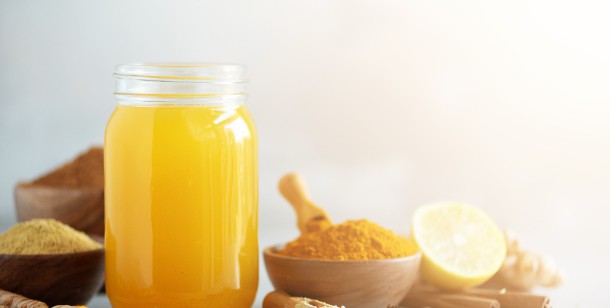
Does Vitamin C Lower Histamine Levels
The short answer is yes. Vitamin C acts as a natural antihistamine, meaning it can lower histamine levels, inhibit histamine production, and lessen the severity of allergic reactions and their symptoms.
Why This Matters for Allergy Sufferers
Because vitamin C is usually consumed through food or a dietary supplement rather than a pharmaceutical antihistamine, you generally do not have to worry about the drowsy side effects that come with traditional allergy medications.
This makes it an appealing option for people who need to stay alert throughout the day, whether for work, school, or simply everyday responsibilities.

Can Vitamin C Cause Allergies
Technically, it is possible to be allergic to almost anything, including substances as unexpected as water in rare cases. That said, it is genuinely uncommon for people to have an allergic reaction to vitamin C itself.
The Citrus Confusion
Some people find that topically applied vitamin C in skincare products can cause irritation or allergic reactions, though this does not typically apply to vitamin C supplements taken orally.
A common misconception is thinking you are allergic to vitamin C when you are actually allergic to citrus fruits like oranges instead, which is a much more common and specific type of food allergy.
Because many citrus fruits are naturally high in vitamin C, and many supplements contain orange flavoring or citrus derivatives, someone with a citrus allergy can have a reaction to these particular products. Fortunately, there are plenty of citrus free ways to get vitamin C into your system if this applies to you.
Citrus Free Sources Worth Considering
Bell peppers, strawberries, and dark leafy greens like spinach and kale all provide substantial vitamin C without any citrus content whatsoever, making them excellent alternatives for anyone avoiding citrus fruits specifically.
Broccoli and Brussels sprouts round out a solid list of vegetables that pack a real vitamin C punch for anyone avoiding citrus specifically.
Reading supplement labels carefully matters too, since some vitamin C tablets and gummies use citrus bioflavonoids as an additive even when the product is not marketed as citrus based, which can catch citrus allergic individuals off guard without them realizing it.
Potential Dangers of Vitamin C
Too much of anything is never a great idea, no matter how beneficial it might be in moderation. Vitamin C offers real health benefits, but taking it in excess still carries some risk worth knowing about before you start supplementing heavily.
Symptoms of Taking Too Much
Some dangers of consuming excessive vitamin C include diarrhea, nausea, cramps, heartburn, and vomiting. If possible, adding any new supplement to your routine under the supervision of a physician is the safest approach, and following the recommended dosage on the packaging matters just as much if you choose to go it alone.
How Much Vitamin C Is Generally Recommended
General vitamin C recommendations include:
- Daily intake: Most adults need between 65 and 90 milligrams of vitamin C per day.
- Upper limit: For most healthy adults, the upper daily limit before side effects become more likely is about 2,000 milligrams.
- Choose whole foods: Getting vitamin C primarily from whole foods rather than high-dose supplements makes it much harder to accidentally exceed a safe amount.
- Talk to your doctor: Anyone considering a higher dose specifically for allergy relief should discuss it with a healthcare provider first, since appropriate dosing varies based on age, weight, overall health, and individual tolerance.
Severe allergic reactions can occasionally escalate beyond typical seasonal symptoms, and understanding which allergic reactions are life threatening can help you recognize the difference between routine discomfort and something that genuinely needs emergency attention.
Allergy symptoms can also show up in less obvious ways, and understanding how allergies can cause body aches can help explain discomfort that might not seem connected to allergies at first glance.
Visit Village Emergency Centers For Seasonal Allergies Treatment
Seasonal allergies can be a genuine pain, but getting the right guidance makes a real difference. Village Emergency Center is open 24 hours a day, every day of the year, with board certified physicians ready to provide expert guidance and care for your symptoms.
Families in Jersey Village and League City trust us just as much as those near our Clear Creek location, where our team is ready to help the moment a severe allergic reaction leaves you needing real answers. Reach out to Village Emergency Center whenever you need physicians you can trust