
Fall may be right around the corner for many parts of the country, but Houston often continues to experience warm temperatures and sunny days well into the season. Whether you’re spending time at the beach, watching your child’s soccer game, or simply running errands, your skin can still be exposed to harmful ultraviolet (UV) rays. One of the most common questions people ask is, can you get a sunburn on a cloudy day?
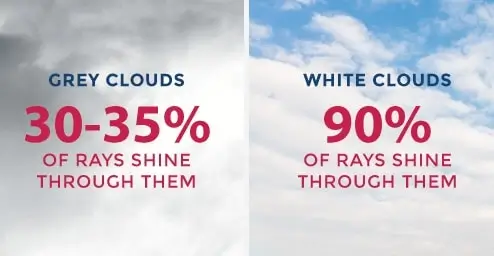
Yes, you can get sunburn on a cloudy day. Depending on the type of cloud cover, as much as 90% of the sun’s UV rays can still reach your skin. Because cloudy weather feels cooler and less intense, many people forget to apply sunscreen, making them more likely to experience unexpected sunburn and long-term skin damage.
Understanding how UV rays affect your skin can help you make smarter decisions every day. Below, we’ll answer common questions and debunk several myths about sun exposure so you can better protect yourself and your family.

Can You Get Sunburn on a Cloudy Day?
Many people believe clouds provide complete protection from the sun, but that simply isn’t true. While clouds reduce visible sunlight, they do not completely block ultraviolet radiation. UV rays easily pass through many types of clouds, allowing them to reach your skin even when the sky appears gray.
Because you don’t feel as warm on cloudy days, it’s easy to underestimate how much sun exposure you’re getting. People often skip sunscreen during overcast weather, increasing their risk of sunburn without realizing it until later in the day.
Why Cloud Cover Doesn’t Block All UV Rays
Clouds vary in thickness, which affects how much UV radiation reaches the ground. Thick storm clouds block more sunlight, while thin white clouds allow much more ultraviolet radiation to pass through.
Generally speaking:
- Gray clouds allow approximately 30 to 35 percent of UV rays to pass through.
- Thin white clouds may allow up to 90 percent of UV rays to reach your skin.
This explains why many people return home from a cloudy beach day with a painful sunburn despite rarely seeing direct sunshine.
UV intensity also changes throughout the day. The strongest exposure usually occurs between 10 a.m. and 4 p.m., making sunscreen especially important during these hours regardless of cloud cover.
Can You Still Get Sunburned in the Shade?
Yes. Shade helps reduce direct sunlight, but it doesn’t eliminate UV exposure.
Ultraviolet rays bounce off surrounding surfaces such as sand, water, concrete, glass, and even nearby buildings. These reflected rays can still reach exposed skin from different angles, meaning your face, arms, and legs may continue receiving UV exposure while sitting under an umbrella or tree.
This is especially common at beaches and pools where sunlight reflects off both the water and the sand. Even if you’re relaxing in the shade, it’s still important to wear sunscreen, sunglasses, and a wide-brimmed hat for better protection.
Following practical summer season safety tips can help reduce your risk of sunburn, dehydration, and other heat-related illnesses during Houston’s hottest months.

Can You Get Sunburn Through Glass?
Another surprising fact is that glass doesn’t fully protect your skin from the sun.
Most standard windows block nearly all UVB rays, which are responsible for causing sunburn. However, they allow much of the UVA radiation to pass through. UVA rays penetrate deeper into your skin, contributing to wrinkles, sunspots, and long-term skin damage.
This means you can receive significant UV exposure while:
- Driving to work
- Sitting in traffic
- Taking a long road trip
- Working near large office windows
- Relaxing beside sunny windows at home
Although you’re less likely to develop a classic sunburn indoors or inside a vehicle, repeated UVA exposure adds up over time.
UVA Rays Can Pass Through Windows
Unlike UVB rays, UVA rays remain relatively constant throughout the day and throughout the year. They penetrate deeper into the skin and gradually break down collagen and elastin, the fibers responsible for keeping your skin firm and youthful.
This is one reason dermatologists recommend wearing sunscreen every day instead of saving it for vacations or pool days.
People who spend several hours driving each week often notice more sunspots or signs of aging on the side of the face closest to the driver’s window. Daily sunscreen helps reduce this cumulative damage.
Protecting Yourself During Everyday Travel
Fortunately, protecting your skin during everyday activities is simple.
Apply a broad-spectrum sunscreen with SPF 30 or higher before leaving home. Don’t forget commonly missed areas like your ears, neck, hands, and forearms. Reapply sunscreen every two hours if you’re spending extended time outdoors.
If you’re driving for several hours or working outside, lightweight long sleeves, sunglasses, and a wide-brimmed hat provide additional protection.
Pairing good sun protection with 15 tips for staying hydrated in the heat can help lower your risk of dehydration during long periods outdoors.

Myth #1: You Can’t Get Sunburned During the Winter Months
Cold weather doesn’t stop ultraviolet radiation.
Many people associate sunburn with hot summer afternoons, but UV rays remain present throughout every season. In fact, winter activities can sometimes increase your exposure because snow reflects ultraviolet radiation back toward your skin.
Why Snow Can Increase UV Exposure
Fresh snow can reflect as much as 80 percent of the sun’s UV rays. Instead of receiving sunlight from above alone, your skin is exposed to reflected rays from below as well.
This is why skiers, snowboarders, hikers, and anyone spending long periods outdoors during winter frequently develop sunburn on their face, lips, and ears.
Even in Houston, winter sunshine is strong enough to damage unprotected skin during outdoor sporting events, walks, or yard work. Wearing sunscreen year-round helps reduce your lifetime UV exposure while lowering your risk of wrinkles, dark spots, and skin cancer.

Myth #2: All clothes cover you up from UV rays
Clothing is one of the easiest ways to protect your skin from the sun, but not every fabric blocks UV rays equally. The amount of protection depends on the material, color, thickness, and how tightly the fabric is woven. Some lightweight clothes provide much less protection than people realize.
While wearing a T-shirt is better than exposing your skin directly to the sun, it should not replace sunscreen when you’ll be outdoors for an extended period.
Which Fabrics Offer Better Sun Protection?
Denim, canvas, and other tightly woven fabrics block far more UV rays than lightweight cotton or linen. Darker colors also tend to absorb more ultraviolet radiation before it reaches your skin.
A simple way to estimate a fabric’s protection is to hold it toward the light. If you can clearly see sunlight through it, UV rays can likely pass through the material as well.
For outdoor sports, hiking, fishing, or spending long hours outside, clothing with an Ultraviolet Protection Factor (UPF) label offers even better protection against harmful UV rays.
Don’t Forget Exposed Areas
Even when wearing protective clothing, your face, ears, neck, hands, and feet often remain uncovered. These areas should still receive broad-spectrum sunscreen with SPF 30 or higher.
Remember to reapply sunscreen every two hours, especially if you’re sweating or swimming. Sunscreen gradually wears off throughout the day and becomes less effective without reapplication.

Myth #3: A tan isn’t sun damage
Many people think a tan is a sign of healthy skin, but it is actually your body’s response to injury caused by ultraviolet radiation.
When UV rays penetrate your skin, your body produces extra melanin, the pigment responsible for skin color. This additional pigment helps reduce further UV damage, but it also signals that your skin has already been injured.
Why Tanning Is a Sign of Skin Damage
Whether your skin turns red or gradually darkens into a tan, both are signs that ultraviolet radiation has affected your skin cells.
Over time, repeated UV exposure contributes to:
- Premature wrinkles
- Fine lines
- Age spots
- Uneven skin tone
- Loss of skin elasticity
- Increased risk of skin cancer
There is no completely safe way to tan outdoors or in a tanning bed. If you enjoy the appearance of tanned skin, self-tanning lotions or spray tans provide color without exposing your skin to harmful UV radiation.
When Sunburn Needs Medical Attention
Most mild sunburns improve with rest, hydration, aloe vera gel, and over-the-counter pain relievers. However, severe burns may require medical evaluation.
Large blisters, severe swelling, fever, chills, dizziness, confusion, dehydration, or persistent vomiting can all indicate that your body is struggling to recover from excessive sun exposure.
Knowing when to go to a hospital for a sunburn can help you recognize when severe blistering, dehydration, or other symptoms require emergency medical care.

Myth #4: You need the sun to get vitamin D
Many people avoid sunscreen because they worry it will prevent their body from making enough vitamin D. Fortunately, most people do not need prolonged sun exposure to maintain healthy vitamin D levels.
Healthy Ways to Maintain Vitamin D Levels
Vitamin D is naturally found in foods such as:
- Salmon
- Tuna
- Egg yolks
- Fortified milk
- Fortified cereals
- Fortified orange juice
Vitamin D supplements are another safe option for people with low levels, especially if recommended by their healthcare provider.
Most people also receive small amounts of incidental sunlight while walking to their car, running errands, or spending brief periods outdoors. This is often enough without intentionally sunbathing.
Protecting your skin with sunscreen remains one of the best ways to reduce your lifetime risk of skin cancer while still maintaining healthy vitamin D through diet and supplementation when needed.

Myth #5: Your Skin Is at Greater Risk of Sun Damage When You Are Young
Children should absolutely be protected from the sun because severe sunburns early in life increase the risk of future skin cancer. However, many adults mistakenly believe they no longer need to worry about daily sun exposure.
The truth is that sun damage accumulates throughout your entire lifetime.
Sun Damage Builds Over Time
Every time you spend time outdoors without adequate protection, ultraviolet rays damage your skin little by little. Those afternoon walks, weekend sporting events, vacations, gardening projects, and daily commutes all contribute to your total UV exposure.
Many of the visible signs of aging people notice later in life are actually the result of years of repeated sun exposure.
Daily sunscreen helps reduce:
- Wrinkles
- Sunspots
- Uneven pigmentation
- Loss of skin elasticity
- Certain types of skin cancer
Healthy Habits for Every Age
The best time to start protecting your skin is today, regardless of your age.
Make sunscreen part of your morning routine just like brushing your teeth. Pair it with sunglasses, protective clothing, and shade whenever possible.
Teaching children these habits early also helps them develop lifelong sun safety practices that reduce future health risks.
How to Protect Yourself From Sunburn Year-Round
Protecting your skin doesn’t have to be complicated. Small daily habits can significantly reduce your exposure to harmful UV rays throughout the year.
Choose the Right Sunscreen
Use a broad-spectrum sunscreen with SPF 30 or higher that protects against both UVA and UVB rays. Apply it about 15 minutes before going outdoors and reapply every two hours or immediately after swimming or excessive sweating.
Don’t forget commonly missed areas such as your ears, scalp, lips, neck, and the tops of your feet.
Wear Protective Clothing and Seek Shade
Whenever possible, wear long sleeves, sunglasses with UV protection, and a wide-brimmed hat.
Try to limit prolonged outdoor activities during the strongest sunlight hours between 10 a.m. and 4 p.m. If you spend extended periods outside, take breaks in the shade whenever available.
Stay Hydrated During Hot Weather
Sunburn and dehydration often occur together, especially during Houston’s hottest months. Drinking water before you become thirsty helps your body regulate temperature more effectively.
Watch for symptoms like dizziness, headache, excessive fatigue, confusion, or dark urine, as these may signal dehydration or heat-related illness that requires prompt medical attention.
Why Village Emergency Center for Your Sunburn Emergency
Most sunburns can be treated at home with cool compresses, hydration, moisturizer, and rest. However, severe sunburn can quickly become more serious, particularly when it is accompanied by extensive blistering, severe pain, fever, chills, confusion, fainting, or signs of dehydration and heat illness.
If your symptoms become severe, Village Emergency Center is here to provide expert care 24 hours a day, seven days a week. Our board-certified emergency physicians can quickly evaluate your condition, provide IV fluids for dehydration, perform on-site laboratory testing when needed, and assess for heat-related complications so treatment can begin without delay.
Whether you visit our League City location or another Village Emergency Center, you’ll receive prompt, compassionate emergency care without the long waits often associated with hospital emergency departments. Don’t ignore a severe sunburn or symptoms of heat illness. Walk into Village Emergency Center anytime for rapid diagnosis, treatment, and the peace of mind that comes from knowing your health is in experienced hands.
Frequently Ask Questions
Further Reading:
15 Tips For Staying Hydrated in the Heat
Can Allergies Cause Ear Infections?