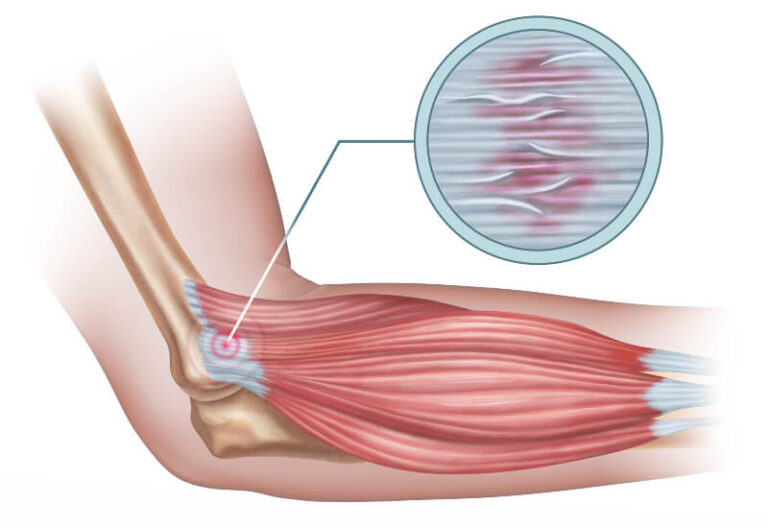
If you frequently find yourself wondering why your fingers lock up, you may be dealing with a condition called trigger finger, also known as stenosing tenosynovitis.
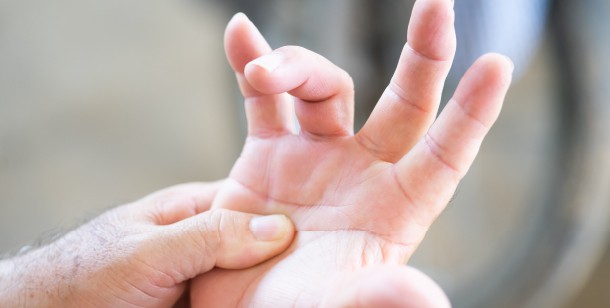
This condition affects the hands and fingers, causing the affected finger to bend or straighten suddenly and often get stuck in a bent position, sometimes without much warning at all.
Here is what you need to know about the causes, symptoms, and treatment options for this surprisingly common condition, along with what tends to raise your risk of developing it.
Causes and Symptoms
Before understanding what causes trigger finger, it helps to understand what tendons actually do, since they play a central role in how the condition develops.
Your hands are filled with fibrous cords called tendons connecting bone to muscle, which allow the smooth, controlled movement you rely on every day.
How Trigger Finger Develops
The specific tendon connecting the bones and muscles of the fingers or thumb to the forearm is called a flexor tendon. These tendons are surrounded by a protective layer of tissue called the tendon sheath, which normally allows smooth, effortless movement throughout the day.
Trigger finger happens when this tendon sheath becomes inflamed, creating abnormal resistance that restricts the tendon’s natural movement. The condition can affect any finger on the hand, including the thumb, and may involve multiple fingers at once. In some cases, both hands can be affected at the same time.
Why Inflammation Causes the Locking Sensation
When the tendon sheath swells, it can create a small bump or nodule that catches on the sheath opening each time the finger bends or straightens.
This catching sensation is what causes the sudden locking and popping that gives the condition its name, since the tendon effectively gets briefly stuck before forcing its way through the narrowed passage.
Recognizing the Symptoms
Common symptoms of trigger finger include:
- Finger stiffness: Often one of the earliest signs and may appear alongside popping or clicking at the finger joint.
- Tenderness or small nodules: These frequently develop near the base of the affected finger as the condition progresses, especially during activities that involve gripping.
- Finger locking: In more advanced cases, the finger may lock in a bent position before suddenly popping straight.
- Inability to straighten the finger: In severe cases, the finger may remain locked in a bent position and cannot be straightened without assistance.
How Symptoms Typically Progress
Trigger finger tends to worsen gradually rather than appearing suddenly at its most severe stage. Many people first notice mild stiffness in the morning that improves as the day goes on, only for the popping and catching sensation to develop weeks or months later as inflammation builds.
Recognizing this progression early gives you a real opportunity to seek treatment before the condition advances to the point where the finger becomes fully locked, which often requires more involved intervention to resolve properly.

Risks and Prognosis
Some people are considerably more likely to develop trigger finger than others, which makes it worth knowing the specific factors that raise your risk.
Working at a job or hobby that requires repetitive hand use or prolonged gripping is one of the most common contributors, since this constant strain on the tendon sheath can trigger the inflammation that leads to symptoms.
Who Is Most Likely to Develop This Condition
Some people have a higher risk of developing trigger finger than others. Risk factors include:
- Certain medical conditions: Diabetes and rheumatoid arthritis can significantly increase the likelihood of developing trigger finger.
- Female sex: Women are more likely than men to develop the condition, although the exact reason is not fully understood. Hormonal factors are thought to play a possible role.
Why Certain Health Conditions Increase Risk
Diabetes in particular is closely linked to trigger finger, since elevated blood sugar levels over time can affect collagen in the body’s connective tissues, including tendons and their surrounding sheaths.
This makes the tendon sheath more prone to the kind of thickening and inflammation that leads to trigger finger symptoms in the first place, which is why blood sugar management matters for more than just overall metabolic health.
Rheumatoid arthritis works somewhat differently, since this autoimmune condition causes the body’s immune system to attack its own joint tissues, including the delicate lining around tendons.
This ongoing inflammatory process can make the tendon sheath swell in much the same way repetitive strain does in otherwise healthy individuals who have no underlying condition at all.
Having recently undergone surgery for carpal tunnel syndrome is another risk factor worth noting, since trigger finger can sometimes develop as a complication following that procedure. Being over the age of 40 rounds out the most commonly cited risk factors for this condition, though it can technically develop at any age.
Reducing Your Risk
While not every case of trigger finger can be prevented, particularly when an underlying medical condition is involved, a few practical habits can help lower your risk if repetitive hand use is part of your daily routine.
- Take regular breaks: Pause during repetitive gripping tasks to give the tendon sheath time to rest instead of placing it under continuous strain.
- Use ergonomic tools: Choose tools designed to reduce grip strain for work or hobbies such as gardening or crafting.
- Stretch your hands and fingers: Perform periodic stretches throughout the day to help maintain tendon flexibility and potentially reduce inflammation.
What Happens If It Goes Untreated
Trigger finger rarely leads to any serious long term complications if left untreated. That said, the condition causes real pain and limited mobility, both of which can meaningfully reduce your overall quality of life the longer it continues, particularly for anyone whose daily tasks or work depend on full hand function.
The condition may also become more severe over time, which is part of why addressing it earlier rather than later tends to lead to a smoother recovery.
Other conditions can sometimes contribute to joint related discomfort as well, and understanding whether alcohol affects joint pain can help you rule out additional factors if your symptoms seem to fluctuate alongside other lifestyle habits.
Treatment Options
There are several treatment options available for trigger finger, and which approach makes the most sense for you depends largely on how severe your specific case has become. Some doctors may suggest anti-inflammatory medication to help manage minor swelling in the early stages, which can often be enough to resolve mild symptoms entirely.
Conservative Approaches First
Milder cases of trigger finger often respond well to conservative treatment, especially when addressed early.
- Rest: Reduces strain on the affected tendon and allows inflammation to settle.
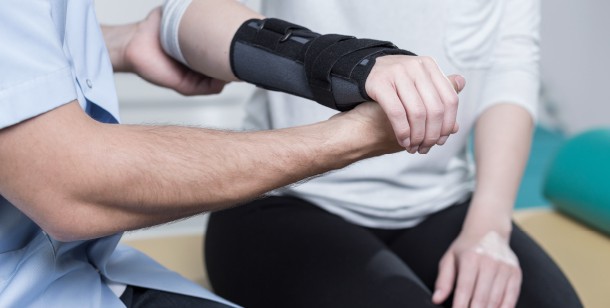
- Splinting: Wearing a splint can help limit movement and support healing.
- Gentle stretching: May improve flexibility and help reduce inflammation.
These conservative approaches often provide meaningful relief without requiring more invasive treatment.
When More Advanced Treatment Is Needed
If symptoms are more severe or do not improve with conservative care, your doctor may recommend:
- Steroid injections: Help reduce inflammation more directly.
- Surgery: Addresses the constricted portion of the tendon sheath that causes the locking sensation.
Trigger finger sometimes overlaps with other hand and wrist conditions, and understanding common hand and wrist injuries can help you recognize whether additional symptoms point toward something beyond trigger finger alone.
Surgery for trigger finger is typically a relatively quick outpatient procedure, and most patients notice a significant improvement in finger mobility once the constricted portion of the tendon sheath has been released.
What to Expect During Recovery
Recovery timelines vary depending on which treatment path you and your doctor decide to pursue, but most patients see steady improvement within a few weeks regardless of the approach.
For those managing symptoms with rest, splinting, and anti-inflammatory medication, gradual improvement often continues over several weeks as inflammation subsides.
Recovery After Steroid Injections or Surgery
Recovery varies depending on the treatment you receive, but the following expectations can help guide the healing process:
- Steroid injections: Relief typically begins within a few days to a couple of weeks, although the effects may be temporary and some people may need another injection or a different treatment later.
- Surgical release: Usually provides more permanent relief, with most patients regaining full or near-full finger movement within a few weeks of the procedure.
- Follow recovery instructions: Adhering to your doctor’s recommendations, including hand exercises and any activity restrictions, can help ensure a smoother recovery and a quicker return to full hand function.
Why Village Emergency Center Is Ready to Help With Trigger Finger
If the trigger finger has been causing pain and limited mobility in your hand, getting the right evaluation matters more than pushing through discomfort. Village Emergency Center is open 24 hours a day, every day of the year, with board certified physicians ready to help you explore your treatment options.
Families in Jersey Village and Clear Creek trust us just as much as those near our League City location, where our team is ready to help whenever hand or finger pain leaves you needing real answers. Reach out to Village Emergency Center and stop wondering why your fingers lock up.