
When a child is complaining of ear pain, it’s hard to know when the situation becomes an emergency. Earaches can be very painful for children, and they’re very common. An earache can signify an ear infection, meaning there is inflammation of the ear that is either viral, bacterial, or fungal. Around 80% to 90% of children will experience an ear infection before the age of 3. Unlike some other illnesses which can be hard to spot, ear infections are very painful for children. Because they involve fluid in the ear, they can be even more painful when the child is in a reclining position, resulting in a lack of sleep. So, when is it time to take your child to the Emergency Room for Ear Pain? Village Emergency Center is here to help.
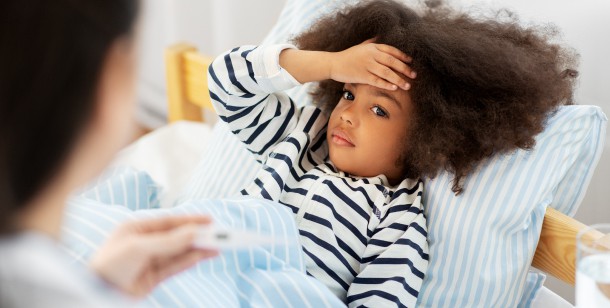
Symptoms of Earaches
Children can’t always communicate their pain level succinctly, and sometimes they can’t communicate that they’re in pain at all. They may be too young to understand what they’re experiencing. After all, half of all ear infections occur in patients between 6 months and 18 months old. As a parent or guardian, it is important to recognize the signs of pain in your child. Here are the most common symptoms of earaches in children to watch for.
Fussiness and Irritability
Children may not express that their ears hurt, but they may simply be crying, fussy, and unusually irritable. This is often the first behavioral signal that something is wrong, particularly in infants who cannot yet verbalize pain.
Pulling or Tugging at Ear
Touching the ear, pulling at the ear, or any gesture focused on the ear area may signify an earache in children. This is one of the most recognizable physical cues parents notice before any other symptom appears.
Trouble Sleeping
Because the fluid in the ear shifts when a person is horizontal, a child may feel okay during the day but experience a sudden onset of pain at bedtime. If your child is struggling to sleep without a clear reason, ear pain may be the cause.
High Fever
Fever is always an alarm. It can highlight the difference between an uninfected ear and an infected one. When there is a high fever alongside ear-related symptoms, this is a reason to consider a trip to the doctor or emergency room. Knowing when to take your child to the ER for a fever can help you act quickly before the situation escalates.
Loss of Appetite
A lack of appetite in a child can be an indicator of many issues, including an earache or ear infection. Chewing and swallowing can increase pressure in the ear canal, making eating uncomfortable for children who are already in pain.
Hearing Loss
The fluid buildup and inflammation in the ear can cause temporary hearing loss in children. If your child appears not to respond to sounds or seems confused by what they are hearing, this warrants prompt medical evaluation.
Runny Nose
Children frequently have nasal drainage when suffering from earaches. Because the ear, nose, and throat are so closely connected, a persistent runny nose accompanying ear pain is often a sign of a broader infection.
Fluid Draining from Ear
If there is visible fluid draining from your child’s ear, your child is likely experiencing some degree of ear infection or rupture. This symptom should not be monitored at home, seek medical attention promptly.

Causes of Earaches
Understanding what can cause ear pain in a child is an important first step before deciding on a course of action. A child with an earache is not necessarily a child with an ear infection. There are several reasons your child’s ears may be in pain.
Ear Infection
Ear infections are the most common cause of ear pain in children. If your child is experiencing multiple symptoms, such as ear pain, fever, sinus drainage, and irritability, they are likely suffering from an ear infection that requires medical evaluation.
Ear Wax Buildup
Ear wax buildup is a less common but possible source of ear pain in children. Ear wax is a natural substance that protects the ear from dirt and lubricates it, but excessive buildup, sometimes worsened by improper use of cotton swabs, can cause discomfort and blockage.
Airplane Ear
When the ear is under pressure from altitude changes, such as during air travel or mountain climbing, the eardrum can stretch and cause pain. This is temporary and typically resolves once pressure equalizes.
Swimmer’s Ear
Swimmer’s ear is an outer ear infection caused by water remaining in the ear canal after swimming or bathing. It affects the outer ear through to the eardrum and can become increasingly painful without treatment.
Injury
The ear canal can be injured through improper cleaning with cotton swabs or other items inserted into the ear. Even minor trauma to the ear canal can cause significant pain in children.
Obstruction
It is quite common for young children to insert objects into their ears, noses, and mouths. A foreign body inside the ear canal is a frequent cause of ear pain and always requires professional removal, do not attempt to remove it at home.
Abscess
An infected hair follicle near the ear can quickly develop into an abscess, causing localized but significant pain. If you notice swelling or a bump near the ear alongside the pain, an abscess may be the source.
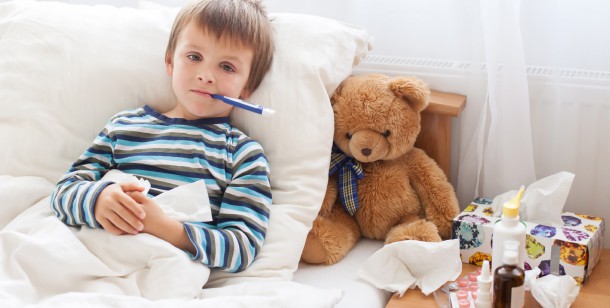
Treating an Earache at Home
Knowing how to treat child ear pain at home safely can help manage discomfort while you arrange a medical visit. It is always a good idea to schedule with a physician to confirm the cause before relying solely on home remedies. Here is how to alleviate child ear pain while waiting to be seen:
Over-the-Counter Pain Medications
Acetaminophen and ibuprofen are effective pain relievers that can help reduce the discomfort of an ear infection in children. Always follow dosage instructions based on your child’s age and weight.
Warm Compress
A warm washcloth applied gently to the ear can help relieve pressure and fluid buildup. This is one of the safest and most accessible ways to relieve child ear pain at home without medication.
Resting Without Reclining
When a child rests in an upright or semi-upright position, the fluid in the ear is less likely to shift and cause added pressure. This can make rest more comfortable for children who struggle to sleep due to ear pain.
Chewing Gum
Chewing gum is a particularly effective method of relieving pressure-related ear pain, such as airplane ear caused by altitude changes. The motion of chewing helps equalize pressure in the ear canal naturally.Understanding how to relieve child ear pain at home is helpful, but home care should never replace a professional medical evaluation, especially when symptoms persist or worsen. If you are also managing fever alongside the ear pain, understanding the warning signs of common infections can help you decide how urgently care is needed.

When Is It Time to Head to the Emergency Room?
Though ear infections can be quite painful, they don’t typically require urgent medical attention on their own. However, certain red flag symptoms indicate it is time to head to the ER without delay.
Lethargy
If a child is extremely lethargic, unusually still, unresponsive, or difficult to wake, this is a serious warning sign that something beyond a routine ear infection may be occurring. Seek emergency assistance immediately.
High Fever
A high fever in a child is a reason to seek emergency help. If a fever exceeds 100.7°F, or if a fever does not respond to over-the-counter medication, it is time to head to the ER. Fever unresponsive to treatment can indicate a spreading bacterial infection that requires prescription intervention. You can learn more about when a child’s fever requires ER care based on age-specific thresholds.
Loss of Appetite
Persistent loss of appetite, especially when combined with other symptoms, signals that the child is significantly unwell. If this symptom continues beyond 24 hours or worsens, it is appropriate to seek emergency evaluation.
Signs of Severe Pain
Anytime a child exhibits signs of severe pain, inconsolable crying, rigid posture, or refusal to be touched near the ear, it is time to take them to the ER. Pain of this intensity can indicate a more serious complication such as a ruptured eardrum or spreading infection.
Discoloration of the Skin
If a child develops blue or yellow skin discoloration, get to the ER immediately. These are signs of oxygen deprivation or jaundice, both of which are serious medical emergencies that go beyond ear pain alone.
Conclusion
Although earaches are very common in young children and can often be managed at home, there are times when the situation escalates and becomes a genuine emergency. If you are wondering when to take a child to the ER for ear pain, the key red flag symptoms are high fever, lethargy, severe pain, persistent loss of appetite, and discoloration of the skin. When in doubt, it is always safer to seek professional evaluation than to wait. Knowing when to go to the emergency room versus managing at home is one of the most important things a parent can understand.
Village Emergency Centers
If your child is suffering from these symptoms, we are here to help. Stop by our facility at Village Emergency Centers. We offer the most comprehensive care at one of Texas’s most prestigious medical centers. We offer the highest quality medical care in a comfortable, well-organized setting. Whatever the need, no matter the hour, we will be there to provide medical services and help you with no wait times, friendly staff, and a very experienced medical team. We are open 24 hours a day check-in online and we are ready to assist you with your emergency needs.