
You bumped into a cabinet corner. A branch caught your eye on a morning run. Now your eyelid is bleeding and swollen. Eye lacerations are some of the most alarming injuries a person can experience. The eyelid is thin, sensitive, and packed with vital structures. Even a small cut in the wrong place can threaten your vision permanently. But not every eyelid cut is a crisis. Some heal on their own with simple home care. The challenge is knowing the difference, and acting fast when it matters. This guide breaks down every type of eyelid injury, what causes them, how to treat them at home, and exactly when you need emergency care. Your eyesight is irreplaceable. Read this before you decide to wait it out.
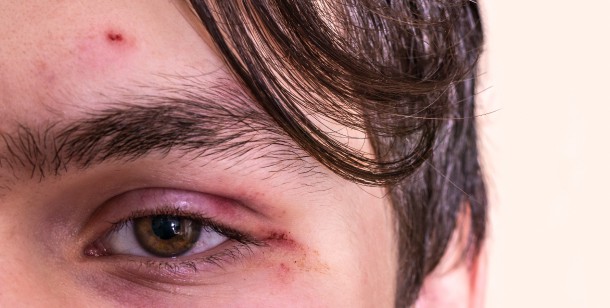
What Is an Eye Laceration?
An eye laceration is any cut, tear, or wound affecting the eyelid or surrounding eye tissue. These injuries range from minor surface scratches to deep cuts that damage underlying muscles, tear ducts, or even the eyeball itself.
The eyelid serves a critical protective function. It shields your cornea from debris, spreads tears across the eye surface, and controls light exposure. When the eyelid is cut or torn, that protection is compromised immediately.
Eye lacerations are more common than most people realize. They happen at home, during sports, in car accidents, and even from everyday objects like glasses, keys, or fingernails.
Types of Eyelid Injuries
Understanding your specific injury type helps you decide the right course of action. Here are the most common eye and eyelid injuries seen in emergency care.
Eyelid Bruise (Black Eye)
A black eye is bruising around the eye caused by trauma to the head or eye area. It develops when tiny blood vessels beneath the skin break and leak. Most black eyes look dramatic but are not dangerous on their own.
However, a black eye should always be evaluated. It can indicate internal bleeding, a skull fracture, or a concussion. If the black eye appeared without an obvious cause, that is a serious red flag. Do not dismiss it.
Eyelid Scratch or Surface Cut
A small, shallow scratch on the eyelid is the most common type of eyelid injury. It typically heals on its own within a few days. Light bleeding, mild swelling, and minor pain are expected.
A deeper cut is a different story. If the wound is wide, gaping, or will not stop bleeding, stitches are likely needed. Deeper cuts may also damage the eyelid muscles or tear ducts, which requires specialist care.
Corneal Abrasion
A corneal abrasion is a scratch directly on the cornea, the clear dome covering the front of your eye. This injury is intensely painful. The cornea has an extremely high concentration of nerve endings.
Common symptoms include:
- Sharp, intense eye pain
- Excessive tearing
- Sensitivity to light
- The sensation that something is stuck in your eye
- Constant, uncontrollable blinking
Corneal abrasions often happen when a small particle gets trapped under the eyelid and scrapes the cornea repeatedly. Sand, dust, metal fragments, and even contact lenses are frequent culprits.
Never rub your eye if you suspect a corneal abrasion. Rubbing causes further scratching and can worsen the injury significantly.
Acute Hyphema
Acute hyphema is one of the most serious eye injuries. It involves bleeding in the space between the cornea and the iris. The blood pools visibly in the lower part of the eye.
This injury is caused only by severe blunt trauma, a punch, a ball strike, a car accident impact, or a fall. It requires immediate emergency evaluation. Untreated hyphema can cause permanent vision loss and dangerously elevated eye pressure.
If you see pooled blood inside the eye after an injury, go to the emergency room right away. This is not a wait-and-see situation.
Subconjunctival Hemorrhage
A subconjunctival hemorrhage appears as a bright red patch on the white part of the eye. It looks alarming but is usually a mild injury. It is caused by a small blood vessel breaking beneath the conjunctiva, the thin membrane covering the white of the eye.
This type of injury typically resolves on its own within one to two weeks. No treatment is required in most cases. However, if it follows significant trauma, get it evaluated to rule out deeper damage.
Full-Thickness Eyelid Laceration
This is the most severe type of eyelid cut. A full-thickness laceration tears completely through the eyelid from front to back. These injuries require surgical repair. They can damage:
- The tear drainage system
- The eyelid-lifting muscle (levator muscle)
- The eyelid margin, which controls how the lid closes
- The eye itself in extreme cases
Full-thickness lacerations almost always need stitches and often require an ophthalmologist in addition to emergency care.

What Causes Small Cuts on the Eyelids?
Eyelid lacerations can happen in many different ways. Some causes are obvious. Others catch people completely off guard.
Common Causes of Eyelid Cuts
- Falls, Taking a bad fall and striking the eye area on a hard surface or sharp edge
- Tree branches or bushes, Running or walking into low-hanging branches
- Fingernails, Accidentally scratching yourself or being scratched by a child
- Broken glass, Car accidents, shattered eyewear, or broken household items
- Sports injuries, Contact sports, flying balls, or equipment impact
- Animal scratches, Cats in particular cause deep, precise eyelid scratches
- Car accidents, Airbag deployment, dashboard impact, or flying debris
- Sharp household objects, Keys, scissors, wire, or tools slipping suddenly
Many eyelid injuries happen in seconds during completely ordinary activities. This is why awareness and fast action matter so much. If you were in a car accident and sustained an eye injury, our team also treats back and neck injuries from car accidents, often sustained in the same incident.
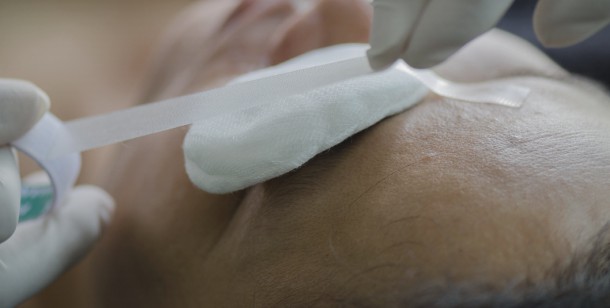
Does Cut on Eyelid Need Stitches?
This is the question most people ask first. The honest answer is: it depends on the wound.
Stitches Are Likely Needed If:
- The cut is deep and the edges are separated or gaping
- Bleeding does not stop after 10 minutes of firm, gentle pressure
- The cut crosses the eyelid margin, the very edge of the lid
- You notice drooping of the eyelid after the injury
- The tear duct area near the inner corner of the eye is involved
- The wound appears to involve muscle tissue beneath the skin
- The injury was caused by a dirty or rusty object
Stitches Are Probably Not Needed If:
- The cut is small, shallow, and the edges are together naturally
- Bleeding has stopped or is very minimal
- The eyelid opens and closes normally
- Vision is completely unaffected
- There is no sign of deeper injury
When in doubt, always seek evaluation. A wrong decision about eyelid stitches can lead to misaligned healing, scarring, or chronic eyelid problems. You can also read our guide on do I need stitches, 10 ways to know for sure for a broader look at wound care decisions
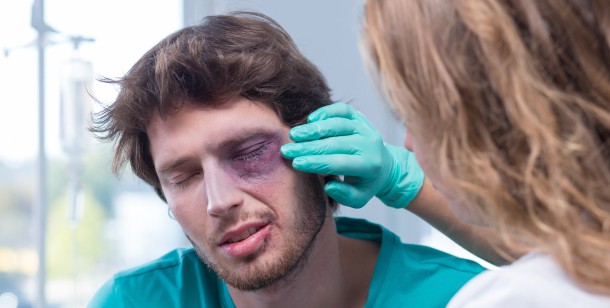
How to Treat a Cut on the Eyelid at Home
For small, shallow eyelid cuts with minimal bleeding, home treatment is appropriate. Follow these steps carefully.
Step-by-Step Home Treatment
Step 1: Wash Your Hands First
Before touching the wound, wash your hands thoroughly with soap and water for at least 20 seconds. This prevents introducing new bacteria into the cut.
Step 2: Gently Clean the Area
Using clean water or saline solution, gently rinse around the wound. Do not put soap directly into the eye. Keep all cleaning products away from the eyeball itself.
Step 3: Control the Bleeding
Apply gentle, steady pressure to the wound using a clean cloth or sterile gauze. Do not press hard directly on the eyeball. Maintain light pressure for 10 minutes without peeking. If bleeding continues beyond 15 minutes, go to the ER.
Step 4: Apply Antibiotic Ointment
Use a petroleum-based antibacterial ointment on the wound. This prevents infection and keeps the wound moist for better healing. Avoid putting ointment directly on the eye surface.
Step 5: Cover the Wound
Cover the area with a small, sterile bandage. Change the bandage daily. Keep the area clean and dry between changes.
Step 6: Monitor for Signs of Infection
Watch the wound over the next 48 to 72 hours. Signs of infection include increasing redness, swelling, warmth, pus, or fever. If any of these appear, seek medical care immediately.
When to Go to the ER for an Eyelid Injury
Some eyelid injuries simply cannot be safely treated at home. Time is critical when the eye is involved.
Go to the Emergency Room Immediately If:
- Bleeding will not stop after 10–15 minutes of pressure
- You can see fat, muscle, or tissue inside the wound
- The cut involves the eyelid margin or tear duct area
- Your eyelid is drooping or will not open or close properly
- You have any change in vision, blurring, double vision, or loss of sight
- An object is stuck in or near the eye
- The injury followed a severe impact like a car accident or sports collision
- A child sustained the injury, children heal differently and complications arise faster
- You suspect a black eye may indicate a concussion or skull fracture
Vision loss is permanent if certain injuries go untreated. Thirty minutes of hesitation can make the difference between full recovery and lasting damage.Our emergency care team is trained to handle eye lacerations with precision and speed, including imaging when needed to rule out deeper injury.
Eye Laceration Recovery: What to Expect
Recovery time depends entirely on the severity of the injury.
Recovery Timeline
- Minor surface cuts: 3 to 7 days with proper home care. Keep the area clean and protected from sun and dust.
- Sutured eyelid lacerations: Stitches are typically removed within 5 to 7 days for eyelid injuries, since this skin heals quickly. Full recovery takes 1 to 2 weeks.
- Corneal abrasions: Most heal within 24 to 72 hours with prescription eye drops and rest. Deeper abrasions may take up to a week.
- Hyphema: Recovery takes 1 to 2 weeks with strict rest and follow-up monitoring. Activity restrictions are essential to prevent rebleeding.
- Surgical repairs: Full healing after eyelid surgery may take several weeks. Swelling and bruising are normal during this period.
Recovery Tips
- Avoid rubbing the eye at any point during healing
- Wear sunglasses outdoors to protect the healing tissue
- Do not wear contact lenses until fully healed
- Avoid swimming, dusty environments, and high-impact activity
- Take all prescribed antibiotics for the full course
- Attend all follow-up appointments without skipping
Frequently Ask Questions
How Village Emergency Center Protects Your Vision and Your Family
Your eyes are irreplaceable, and so is the care you receive when they are injured. Village Emergency Center ER provides 24-hour emergency treatment for eye lacerations, corneal abrasions, hyphema, and all types of eyelid injuries. No appointments. No long waits. Just fast, expert care the moment you walk through the door. Families in League City emergency room, Jersey Village ER location, and Clear Creek emergency care center rely on us every day because we treat every emergency with the urgency it deserves. Our board-certified physicians use on-site imaging and advanced wound care tools to assess every eye injury thoroughly. Never take chances with your vision. Book your ER visit now or walk in any time, we are always open and always ready.