Tendon pain can make everyday activities difficult, whether you’re exercising, working, or simply moving around. One of the most common causes of this discomfort is tendonitis.
What Is Tendonitis?
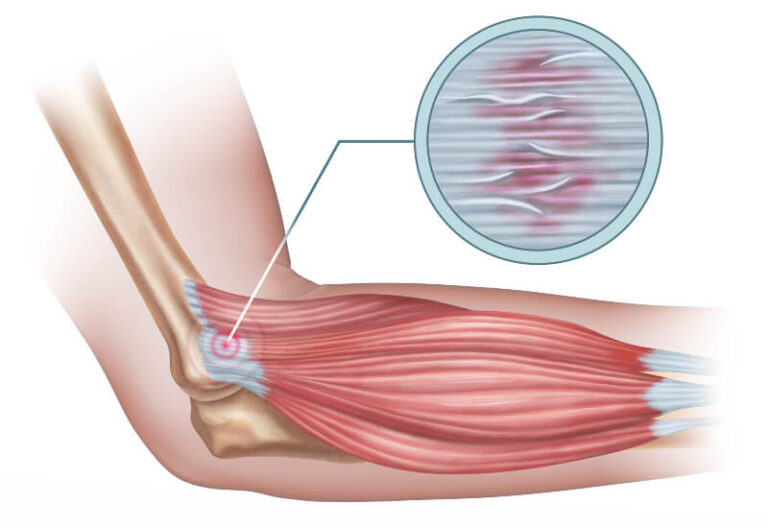
Tendonitis is the inflammation or irritation of a tendon, the strong, fibrous tissue that connects muscle to bone. It commonly develops from repetitive motion, overuse injuries, aging, or sudden strain. Tendonitis often causes pain, swelling, tenderness, and reduced mobility near a joint.
While it can affect any tendon in the body, it most frequently occurs in the shoulders, elbows, wrists, knees, and heels.
What Causes Tendonitis?
Tendonitis develops when a tendon experiences more stress than it can handle. Common causes include:
- Repetitive motion at work or during sports
- Overuse injuries from frequent physical activity
- Sudden increases in exercise intensity
- Poor posture or movement mechanics
- Aging-related wear and tear
- Direct tendon injury or trauma
Certain medical conditions, including diabetes and rheumatoid arthritis, may also increase the risk of developing tendon inflammation.
Most Common Types of Tendonitis You Should Know
Achilles Tendonitis
Affects the Achilles tendon that connects the calf muscles to the heel. It commonly causes pain, stiffness, and swelling at the back of the ankle, especially in runners and active adults.
Patellar Tendonitis (Jumper’s Knee)
Occurs when the tendon below the kneecap becomes irritated from repeated jumping or running. It causes pain beneath the knee and is common in basketball and volleyball players.
Tennis Elbow
A form of tendonitis affecting the outer elbow. It develops from repetitive gripping, lifting, or wrist movements and often causes pain and reduced grip strength.
Golfer’s Elbow
Affects the tendons on the inside of the elbow. It is commonly linked to repetitive wrist and forearm movements and can cause pain, stiffness, and weakness in the arm.
Rotator Cuff Tendonitis
Occurs when tendons in the shoulder become inflamed due to repetitive overhead activities. Symptoms include shoulder pain, weakness, and difficulty lifting or reaching overhead.
Wrist Tendonitis
Develops from repetitive hand and wrist movements such as typing, texting, or lifting. It often causes pain, swelling, and reduced grip strength near the wrist or thumb.
Tendonitis Symptoms
Symptoms may develop gradually or appear after a sudden injury. Common tendonitis symptoms include:
- Tendon pain near a joint
- Swelling or tenderness
- Stiffness, especially in the morning
- Pain that worsens with movement
- Reduced range of motion
- Weakness in the affected area
If symptoms continue to worsen or interfere with daily activities, medical evaluation is recommended.
Risk Factors for Tendonitis
Several factors can increase your risk of developing tendonitis.
Age
Tendon elasticity decreases with age, making people over 40 more prone to tendonitis, especially in the shoulder, elbow, and Achilles tendon.
Occupation
Jobs with repetitive movements, heavy lifting, or awkward postures increase tendon strain and raise the risk of overuse injuries and chronic tendon pain.
Sports Participation
High-impact or repetitive sports like running, jumping, and throwing increase tendon stress, especially without proper rest, training balance, and recovery time.
Poor Posture and Biomechanics
Incorrect posture, flat feet, or movement imbalances place uneven stress on tendons, increasing the likelihood of inflammation and injury over time.
Diabetes
High blood sugar affects tendon structure and healing, making tendons stiffer and increasing the risk of chronic tendon injuries and slow recovery.
Rheumatoid Arthritis
Chronic inflammation from RA can affect tendon sheaths, increasing the risk of tendon pain, swelling, and long-term tendon damage.
Certain Medications
Fluoroquinolone antibiotics and long-term steroid use can weaken tendons and increase the risk of tendonitis or even tendon rupture.
Statin Use
Some studies suggest statins may affect tendon health and slow healing, though the risk is lower compared to other medications like fluoroquinolones.
Poor Conditioning
Weak muscles, poor flexibility, and lack of proper warm-up increase tendon load and significantly raise the risk of overuse tendon injuries.
How Tendonitis Is Diagnosed at Village Emergency Centers
At Village Emergency Centers, tendonitis is diagnosed through a careful review of your symptoms, a focused physical examination, and imaging tests when needed to confirm tendon injury and rule out other conditions.
Medical History
Your provider reviews pain location, symptom duration, activity level, recent injuries, work demands, and medical history to identify possible causes of tendon pain.
Physical Examination
A hands-on exam checks tenderness, movement range, strength, and pain response using targeted clinical tests to accurately identify the affected tendon.
Imaging Tests (X-ray, Ultrasound, MRI)
X-rays help rule out bone problems, ultrasound detects tendon inflammation and damage in real time, and MRI provides detailed imaging for severe or chronic tendon injuries.
Tendonitis Treatment at Village Emergency Centers
At Village Emergency Centers, tendonitis treatment focuses on relieving pain, reducing inflammation, and restoring normal movement through fast, evidence-based emergency care and imaging support.
Comprehensive Medical Evaluation
Our emergency physicians perform a detailed exam to assess pain level, swelling, range of motion, and tendon function to determine the severity of your condition.
Advanced Diagnostic Imaging
We use on-site 24/7 imaging to support accurate diagnosis, including X-rays to rule out bone issues, ultrasound for tendon evaluation, and CT scans when deeper structural detail is needed.
Pain Management
We provide appropriate pain relief options based on severity, helping reduce discomfort so you can move more comfortably and begin recovery.
Anti-Inflammatory Medications
NSAIDs are used to reduce swelling and inflammation in the affected tendon, helping control symptoms and support the healing process.
Immobilization and Support Devices
Braces, splints, or compression wraps may be provided to limit tendon strain, support the injured area, and prevent further damage.
Activity Modification Guidance
Our providers give clear instructions on adjusting daily activities and avoiding movements that may worsen the injury, supporting faster and safer recovery.
How to Treat Tendonitis at Home
Many mild cases improve with conservative care.
To treat tendonitis at home:
- Rest the affected area.
- Apply ice several times daily.
- Avoid activities that worsen symptoms.
- Use supportive braces if recommended.
- Perform gentle stretching exercises.
- Gradually return to normal activity.
If pain persists beyond a few weeks, consult a healthcare provider.
Tendonitis Recovery and Healing Time
Tendonitis recovery time depends on the severity of the tendon injury and how quickly treatment begins. Mild cases often improve within 2–4 weeks, while moderate tendonitis may take 6–8 weeks to heal. Chronic tendonitis or severe tendon damage can require several months of treatment and rehabilitation. Early diagnosis, proper tendonitis treatment, and consistent physical therapy can help speed recovery and reduce the risk of recurring tendon pain.
When to Visit Village EC for Tendonitis
Visit Village Emergency Centers if your tendon pain is severe, worsening, or not improving with rest. Seek urgent care for significant swelling, joint instability, or difficulty bearing weight. A fever with tendon pain may indicate infection and requires immediate evaluation. You should also be seen if you experienced a sudden “popping” sensation, as this may suggest a tendon tear. If symptoms persist beyond a few weeks, a medical evaluation is important to prevent chronic pain and long-term tendon damage.
Tips for Preventing Tendonitis
You can lower your risk of tendonitis by:
- Warming up before exercise
- Increasing activity levels gradually
- Maintaining proper posture
- Using correct exercise techniques
- Taking breaks from repetitive tasks
- Strengthening supporting muscles
- Maintaining a healthy weight
Best Tendonitis Exercises
Appropriate tendonitis exercises can support recovery and reduce future injuries.
Helpful exercises may include:
- Gentle stretching
- Range-of-motion exercises
- Eccentric strengthening exercises
- Low-impact activities such as swimming or cycling
Exercise programs should be tailored to the affected tendon and individual fitness level.
Get Expert Care for Tendonitis
Whether your symptoms are caused by sports participation, repetitive work activities, or a sudden injury, early diagnosis and treatment can help prevent complications. If you’re experiencing persistent tendon pain, swelling, or limited mobility, seek medical evaluation to receive a personalized treatment plan and get back to your normal activities safely.