You have been feeling discomfort and suspect it might be a urinary tract infection, but you are not entirely sure since the symptoms overlap with other conditions. As the days go by you start asking yourself whether this is something you can treat at home or something that needs a doctor right away.
Before running out the door, think about what you have been putting your body through, since that can offer some real clues about the cause. UTIs are one of the most common infections people deal with, especially among women, and knowing the pattern behind them can help you catch one early or avoid it entirely.
Here are five common reasons UTIs develop, along with five practical ways to prevent and treat them, and finally an honest answer to whether the emergency room is the right call for you.
5 Reasons Why UTIs Occur
Understanding what leads to a UTI in the first place can help you catch one early or avoid it altogether. A few everyday habits play a bigger role than most people realize.

1. You Are Dehydrated
Have you been drinking enough water lately? If not, there is a real chance this is part of the problem. Your body uses water to flush out bacteria, so when you are not drinking enough, bacteria can sit in your bladder and multiply instead of being flushed out naturally.
Many women see a higher chance of developing a UTI during the summer months, largely because dehydration becomes more common in the heat. Catching the early warning signs matters here, and knowing the common symptoms of a UTI can help you act before dehydration turns into a full blown infection.
2. You Are Holding Your Urine for Long Periods of Time
Urine exists to release toxins that are not supposed to stay inside your body. The longer you hold it in, the greater your chances of developing a UTI become. Bacteria that would normally get flushed out have more time to settle into the bladder wall and multiply.
Making frequent bathroom trips can feel like a hassle during a busy day, but it is far less uncomfortable than the burning and urgency that come with an active infection. Many people develop this habit at work or during travel without realizing how much it raises their risk over time.
3. You Are Not Taking Care of Your Hygiene
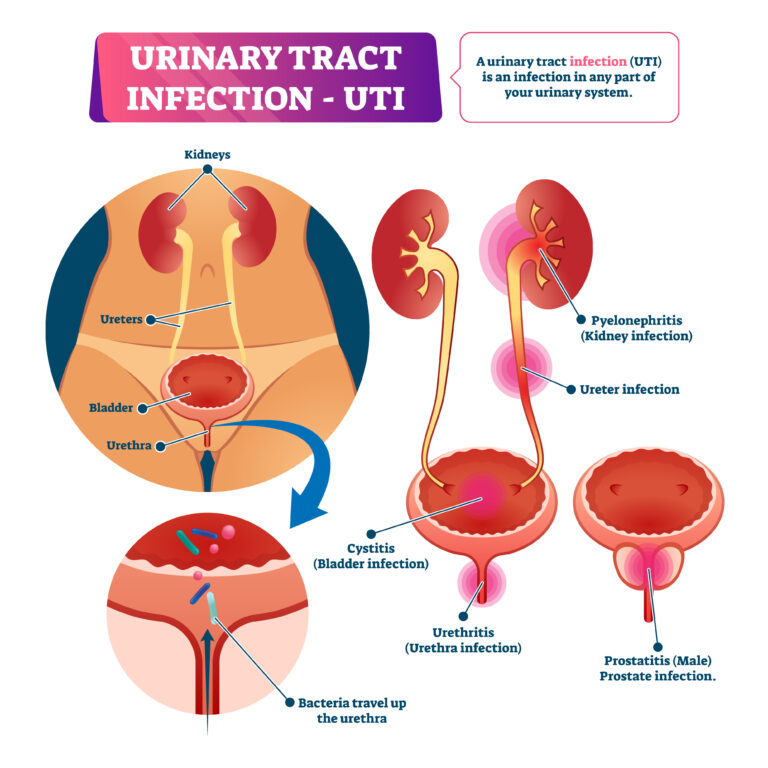
The female anatomy was not built with an advantage here, so a bit more effort is needed to avoid infection. The female urethra is shorter than the male urethra, which makes the distance bacteria need to travel much shorter and easier.
Bacteria like to grow in moist areas, so keeping the body clean and dry matters more than people often think. During menstruation, changing pads and tampons often helps reduce this risk further, since a damp environment gives bacteria more time and opportunity to multiply near the urethra.
Wiping from front to back after using the bathroom is another small habit that makes a real difference over time. This simple change in routine helps keep bacteria from the digestive tract away from the urinary opening altogether.
4. You May Have Kidney Stones
Kidney stones are painful on their own, and they can also block the urinary tract, forcing you to strain when trying to relieve yourself. Just like voluntarily holding in urine can lead to a UTI, involuntarily holding it in because of a blockage can cause the same result.
A blocked urinary tract also gives bacteria more time and opportunity to travel upward toward the kidneys themselves. Left unaddressed, this can eventually develop into a more serious kidney infection, which tends to come with more intense symptoms and requires more aggressive treatment than a standard bladder infection.

5. Your Hormones are Fluctuating
Birth control, menopause, and stress can all cause natural shifts in hormones that upset the balance of bacteria in the vagina. This imbalance can make it easier for bacteria to travel toward the bladder, raising your risk of infection.
Hormonal changes during pregnancy carry a similar risk, since shifting hormone levels can affect the urinary tract in ways that make infection more likely during certain trimesters. Anyone noticing new discomfort during pregnancy should mention it to their doctor early rather than waiting to see if it resolves on its own.
5 Ways to Alleviate and Prevent UTIs
Prevention often comes down to a handful of simple daily habits. Making a few small changes can meaningfully lower your risk going forward.
1. Drink Plenty of Water
This is one of the most important things you can do for your body. Water is how your system flushes out any bacteria that might otherwise multiply in your bladder. Aim for around 64 ounces a day, since proper hydration also helps prevent bacteria from taking hold in the first place.
If plain water feels hard to keep up with, herbal teas or water with a splash of fruit can help you hit your daily target without much extra effort. Avoiding excess caffeine and alcohol also helps, since both can leave you more dehydrated than you might expect.

2. Empty Your Bladder Often
If you are prone to UTIs, try to relieve yourself as often as reasonably possible. Expelling more urine lowers your chances of developing an infection. Work and daily life can get in the way of this habit, but your health should come first, since staying healthy makes it easier to handle everything else on your plate.
This habit matters even more during pregnancy, when hormonal shifts already raise UTI risk on their own. Anyone experiencing symptoms that feel similar to a UTI alongside a possible pregnancy should consider getting a pregnancy blood test to rule out other causes before assuming it is purely a bladder infection.
3. Urinate After Sex
Sexual activity moves bacteria around more than people expect, which is why urinating afterward helps keep bacteria away from the urethra. This one small habit can meaningfully lower your risk over time.
4. Apply a Heating Pad on Your Abdomen
If you are already dealing with a UTI, a heating pad can help ease the discomfort. Placing it over your lower abdomen often provides real relief from the pain that comes with this kind of infection.
5. Avoid Fragranced Feminine Products
Fragrance can irritate sensitive skin, and this area of the body deserves the same caution you would give your face. Choosing unscented products can help you avoid unnecessary irritation that sometimes contributes to infection risk.
This includes scented soaps, sprays, and even some laundry detergents used on undergarments. Switching to fragrance free versions of these everyday products is a small change that can meaningfully reduce irritation and lower your overall infection risk.
Should I Go to the Emergency Room for a UTI?
Most UTIs can be treated promptly without complications, but some symptoms require more urgent medical attention. Consider seeking emergency care if you experience:
- Severe pain or discomfort: Intense symptoms or the inability to wait for a regular clinic appointment may warrant an emergency room visit.
- Fever or chills: These symptoms may indicate the infection has spread beyond the bladder.
- Back or side (flank) pain: Pain near the kidneys can be a sign of a kidney infection.
- Nausea or vomiting: Digestive symptoms combined with urinary complaints often suggest a more serious infection.
- Blood in the urine: Visible blood should be evaluated promptly, particularly when accompanied by other UTI symptoms.
- Rapidly worsening symptoms: If your condition is getting worse rather than better, seek medical care without delay.
A bladder infection that spreads to the kidneys can become a much more serious condition requiring intensive treatment. If you experience recurrent infections every few months, it may also be helpful to explore how to prevent chronic UTIs with your healthcare provider rather than treating each episode as an isolated event.
24/7 Emergency Care for UTIs
If your UTI symptoms have become unbearable or your regular doctor is unavailable, Village Emergency Center is ready to help around the clock. We are open 24 hours a day, every day of the year, with board certified physicians equipped to diagnose and treat urinary tract infections quickly and accurately.
Families in League City and Jersey Village trust us just as much as those near our Clear Creek location. Our team there is ready to evaluate your symptoms and confirm whether you have a UTI or something more serious. A painful infection cannot wait, and Village Emergency Center will be here whenever you need real relief.