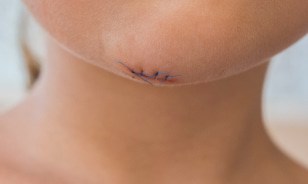
Open wounds can happen in the blink of an eye. The kids are running around, and suddenly one trips over a rock and lands on hard pavement. He’s crying, there’s blood everywhere, and you’re panicking because you’ve never seen so much blood before.
You think, “Do I need to take him to the ER to get stitches?”
It’s a stressful moment. But knowing what to look for makes all the difference. Here are 10 signs to check to determine if the wound needs more than just a bandage.
Do I Need Stitches?
1. Size of the Wound
In terms of depth, if the wound runs deep enough that the skin separates far apart, you may need stitches. Stitches bring the two separated edges together. This stops the bleeding and reconnects the skin that has pulled apart.
As a general rule, cuts deeper than ¼ inch or longer than ½ inch typically require medical attention.
2. Location of the Wound
If the wound is around a joint like an elbow or knee, have it checked by a doctor. Skin near joints stretches with movement. This can prevent the wound from healing on its own.
Other sensitive areas to watch carefully include the hands, eyes, mouth, and genitals. These locations are prone to complications if left untreated. Even a smaller cut in these areas may need professional care.
3. Amount of Blood Loss
The sight of blood can be unsettling, but pay close attention to how much there is.
If the bandage soaks through and you need to replace it multiple times in a short period, that is too much blood loss. If blood is gushing rapidly and not slowing down, go to the nearest emergency room immediately.
4. Applying Pressure Doesn’t Stop the Bleeding
Apply direct pressure to the wound for at least 10 minutes. If the bleeding hasn’t slowed or stopped after that, that is a strong sign your injury requires stitches.
Do not keep removing the bandage to check, this can disrupt clotting. Add fresh bandaging over the existing one and head to the ER.
5. What Caused the Wound
How the wound happened matters just as much as how it looks.
Seek medical attention if your wound was caused by:
An animal or human bite
A dirty or rusty object
A pointed object like a knife or nail that punctured deep into the skin
These types of wounds carry a high infection risk. You may also need a tetanus shot, especially if it has been more than five years since your last one.
6. Signs of Infection Are Present
Sometimes the question isn’t whether you need stitches, it’s whether an infection has already set in.
If you notice any of these, seek medical care right away. Infections can escalate quickly when left untreated.
7. Visible Body Structures Are Exposed
This is a clear signal that the wound is serious.
If you can see bone, fatty tissue, or the dermis layer of the skin, do not attempt to treat this at home. Get to an emergency room immediately. Wounds this deep almost always require stitches and thorough professional cleaning.
8. The Wound Is on Your Face
Stitches are excellent at minimizing scarring, anywhere on the body. But facial wounds deserve extra attention because they are highly visible.
Even if the cut seems manageable, a facial laceration near the eyes, nose, or lips should be evaluated by a doctor. Proper closure reduces the risk of permanent scarring significantly.
9. An Object Is Lodged in the Wound
Do not attempt to remove an embedded object yourself.
Removing it could trigger profuse bleeding that becomes life-threatening. Leave it in place, apply gentle pressure around (not on) the object, and get to an emergency room right away. Let a professional handle the removal safely.
10. You Are Diabetic
For people with diabetes, any wound, big or small, requires medical attention.
Diabetes affects circulation and immune response. This slows down healing and increases infection risk significantly. Do not wait to see if a wound heals on its own. Have it evaluated promptly.
Now that I know the signs, what should I do before heading to the ER?
Knowing how to manage a wound before arriving at the ER can make a real difference. Here’s what to do:
Do not remove any lodged object. Leave it in place, it may be slowing the bleeding.
Avoid eating or drinking. This is especially important for children. If medicine or sedation is needed, an empty stomach allows treatment to begin faster.
Apply direct pressure to the wound using a clean bandage or towel. Keep steady, consistent pressure on the injury.
Elevate the wound above the level of the heart if possible. This helps reduce the rate of bleeding.
Add bandages as needed, do not remove the original. Layer fresh bandaging on top and keep pressure applied until you arrive.
Clean with water only if there is time. Rinse gently with clean water. Avoid alcohol, hydrogen peroxide, or antiseptic wipes, these can irritate the tissue and slow healing.
Pat dry, never rub. Use a clean towel and pat the area gently before covering it.
If bleeding is severe or the wound involves a lodged object, call 911 rather than driving yourself. Speed and safety both matter in those situations.Not sure if the wound is serious enough for the ER? It is always better to get it checked. Waiting too long can lead to infection or improper healing. If you are unsure whether a wound needs medical attention, learn more about when to go to the ER vs urgent care to make the right call quickly.
Frequently Ask Questions
No. Blepharitis cannot be permanently cured, but consistent daily eyelid hygiene can keep flare-ups away for months or years.
Warm compresses and daily lid cleaning are the fastest home remedies. Antibiotics prescribed by a doctor speed up recovery further.
In most cases, no. But chronic or untreated blepharitis can cause dry eye and blurred vision. See a doctor if vision changes occur.
Yes. Blocked meibomian glands disrupt the tear film, causing both conditions. They often occur together and need combined treatment.
Visit an ER if you have severe eye pain, sudden vision loss, or a flare-up lasting more than 6 weeks with no improvement.
Get Help From Village Emergency Centers
If you are ever asking yourself “do I need stitches?”, do not wait to find out on your own.
At Village Emergency Centers, our board-certified physicians are available 24 hours a day, 7 days a week. We treat lacerations, puncture wounds, and complex injuries with fast, accurate care, including on-site wound closure, tetanus shots, and infection treatment.With locations in League City and Jersey Village, we are always close to home. Feel free to contact our team before your visit, or simply walk straight in. Visit Village EC today. We are always ready to help.