
It Is Not a Worm, But It Can Spread Fast and Persist for Months Without Proper Treatment
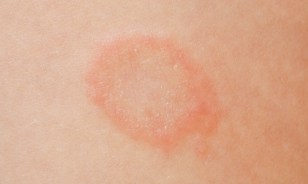
You notice a red, ring-shaped patch on your skin. It is itchy, slightly raised at the edges, and it seems to be growing. Your first instinct might be panic, but the good news is that despite its alarming name, ringworm has nothing to do with actual worms. It is a fungal infection. The bad news is that it is highly contagious, spreads easily across the body and to other people, and can persist for months if not treated correctly.
Ringworm is one of the most common skin conditions in the United States, affecting millions of people every year, across all ages, all hygiene habits, and all walks of life. Understanding what it is, how it spreads, how to treat it fast, and when it requires professional medical care can save you weeks of unnecessary discomfort and prevent spreading the infection to the people around you.

What Is Ringworm? The Facts Behind the Misleading Name
Ringworm, medically called tinea, is a fungal infection of the skin caused by a group of fungi called dermatophytes. These microscopic fungi feed on keratin, the protein found in skin, hair, and nails. They thrive in warm, moist environments and can survive on surfaces, soil, and on animals for extended periods.
The name “ringworm” comes from the infection’s characteristic appearance, a circular, ring-shaped rash with a clearer center. Medieval physicians who first described the condition assumed the circular pattern was caused by a worm burrowing under the skin. The name stuck, even after the fungal cause was identified in the 19th century.
Dermatophytes naturally colonize the outer layers of human skin. In most cases, the immune system keeps them in check. But when conditions favor fungal overgrowth, warmth, moisture, skin trauma, or immune compromise, the fungi penetrate the skin’s defenses and produce the characteristic ringworm infection.
Types of Ringworm: Different Names for Different Locations
The same fungal group causes different named infections depending on where on the body the infection develops. Understanding this helps clarify why you might receive different diagnoses for what is essentially the same type of infection.
Tinea Corporis, Classic Ringworm on the Body
Tinea corporis refers to ringworm infection anywhere on the trunk, arms, or legs, excluding the scalp, face, groin, feet, and nails. This is what most people picture when they hear the term ringworm, the classic circular, scaly rash with a raised red border and a clearer center.
Tinea Pedis, Athlete’s Foot
Tinea pedis affects the feet, particularly the spaces between the toes and the soles. It is the most common form of ringworm globally. It produces itching, scaling, cracking, and sometimes blistering between the toes and along the foot edges. The warm, moist environment inside shoes creates ideal conditions for fungal growth. It spreads readily in locker rooms, swimming pools, and shower areas through contaminated floors.
Tinea Cruris, Jock Itch
Tinea cruris affects the groin, inner thighs, and buttocks. It produces a red, itchy, often ring-shaped rash in the skin folds of the groin area. It is more common in men than women and is associated with sweating, tight clothing, and shared towels or athletic equipment. The warm, moist groin area provides ideal fungal growth conditions.
Tinea Capitis, Scalp Ringworm
Tinea capitis affects the scalp and hair follicles. It is most common in children and produces scaly, itchy patches on the scalp. Hair in affected areas may break off close to the scalp, producing areas of hair loss. Tinea capitis requires oral antifungal medication, topical treatments alone do not penetrate the hair follicle adequately to clear the infection.
Tinea Unguium (Onychomycosis), Nail Ringworm
Tinea unguium affects the fingernails and toenails. The nails become thick, discolored (yellow, brown, or white), brittle, and crumbly. Nail fungus is particularly difficult to treat because antifungals must penetrate the nail plate to reach the infection. Treatment typically requires months of oral antifungal medication and frequently recurs.
Tinea Barbae, Beard Ringworm
Tinea barbae affects the beard area in men. It produces follicular inflammation, scaling, and sometimes crusty, pus-filled lesions around hair follicles in the mustache and beard region. It requires oral antifungal treatment in most cases.
Tinea Faciei, Facial Ringworm
Tinea faciei affects the face outside the beard area and scalp. It may appear as a red, scaly, ring-shaped patch on the cheeks, forehead, or chin. It is frequently misdiagnosed as eczema, psoriasis, or lupus because it often lacks the classic ring shape on the face.
How Does Ringworm Spread?
Ringworm is highly contagious. Understanding its transmission routes allows you to protect yourself and prevent spreading the infection to others.
Person-to-Person Contact
Direct skin-to-skin contact with an infected person is the most common transmission route for tinea corporis and tinea capitis. The fungal spores transfer to the new host’s skin during contact. Children are particularly susceptible, school settings and sports teams are frequent ringworm outbreak environments.
Contact sports, wrestling, judo, and football, produce particularly high rates of ringworm transmission through direct skin contact. A form called tinea gladiatorum (wrestler’s ringworm) is a well-recognized occupational hazard in combat sports.
Animal-to-Person Contact
Pets, particularly cats, dogs, guinea pigs, rabbits, and cattle, frequently carry dermatophytes without showing obvious signs of infection. Handling infected animals and then touching your own skin is a common source of ringworm. Children who handle farm animals or have close contact with pets are at elevated risk.
If you or your child develops ringworm, have your pets evaluated by a veterinarian. Treating the pet simultaneously prevents re-infection after your own treatment is complete.
Contaminated Surfaces and Objects
Dermatophytes survive on surfaces and objects for extended periods, on shower floors, gym mats, locker room benches, towels, combs, hats, and clothing. Sharing personal items with an infected person, or walking barefoot on contaminated surfaces, readily transmits the fungus.
This is why athlete’s foot spreads so readily in communal shower areas and swimming pools, and why sharing towels, combs, or hats is a significant ringworm risk.
Soil Contact
Zoophilic and geophilic dermatophytes live naturally in soil. Prolonged direct contact with contaminated soil, gardening, digging, or playing in dirt, can transmit fungal infection to the skin. This transmission route is less common than person-to-person or animal contact but is well documented.
Autoinoculation
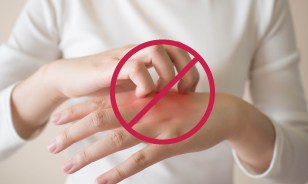
Ringworm spreads readily from one part of your own body to another through scratching, transferring fungal spores under the fingernails and depositing them on new skin areas touched subsequently. This is one of the primary reasons avoiding scratching is so important during ringworm treatment.
Who Is at Highest Risk for Ringworm?
While ringworm can affect anyone regardless of hygiene habits, certain factors significantly increase susceptibility.
High-Risk Groups and Situations
- Children, Particularly school-age children in close contact with classmates and pets
- Athletes, Contact sport athletes face elevated risk from skin-to-skin contact and shared equipment
- Pet owners, Particularly those with cats, dogs, or farm animals
- People with compromised immune systems, HIV, cancer, organ transplant recipients, or those on immunosuppressive medications develop more severe and treatment-resistant ringworm
- People in warm, humid climates, Heat and humidity favor fungal growth, Houston’s climate creates favorable conditions
- People who sweat heavily or wear tight clothing, Creates warm, moist skin conditions ideal for dermatophyte growth
- People who use communal facilities, Gyms, locker rooms, swimming pools, and shared showers
- People with underlying skin conditions, Eczema or psoriasis disrupts the skin barrier, facilitating fungal entry
Good hygiene significantly reduces but does not eliminate ringworm risk. Even meticulous hygiene cannot fully protect against exposure to highly contagious fungal spores in shared environments.
Symptoms of Ringworm: What Does It Look and Feel Like?
Accurate symptom recognition helps distinguish ringworm from other skin conditions that can appear similar, including eczema, psoriasis, contact dermatitis, pityriasis rosea, and nummular dermatitis.
Classic Ringworm Signs and Symptoms
- The Ring Pattern: The hallmark of classic tinea corporis is a circular or oval rash with a raised, red, scaly border and a clearer, often normal-appearing, center. The ring gradually expands outward as the fungus spreads from the central area. Multiple rings can form and occasionally merge into irregular shapes.
- Intense Itching: Pruritus (itching) is consistently present and often the most disruptive symptom. The itching tends to be worse in warm conditions and after physical activity. Scratching the rash worsens it, spreading the infection and risking secondary bacterial infection.
- Scaly, Flaky Skin: The surface of ringworm lesions has a characteristic dry, flaky, slightly scaly texture. The scale is most prominent at the raised outer border.
- Redness and Inflammation: The active border of the ring is typically red and inflamed. In some presentations, particularly on the face, the ring pattern may not be obvious and the rash appears simply as a red, scaly patch.
- Blistering in Some Cases: Vesicular (blister-containing) ringworm is less common but occurs, particularly on the feet (vesicular athlete’s foot) and in particularly inflammatory reactions to the fungus.
Symptoms Specific to Different Types
Athlete’s Foot (Tinea Pedis):
- Scaling, peeling, and cracking between the toes, particularly the fourth and fifth
- Burning and itching between the toes and on the soles
- Blisters on the soles in vesicular presentations
- Thickened, scaly skin on the soles in chronic presentations
Jock Itch (Tinea Cruris):
- Red, ring-shaped or irregular rash in the groin crease
- Itching and burning in the groin and inner thigh
- The scrotum is typically spared, unlike candidal infection which affects the scrotum
- Rash may have a defined, slightly raised border
Scalp Ringworm (Tinea Capitis):
- Scaly, itchy patches on the scalp
- Hair breakage close to the scalp, producing patchy hair loss
- Black dot pattern, broken hair stubs visible at the scalp surface
- Occasionally, kerion formation, a severely inflamed, boggy, pus-filled scalp mass that requires urgent treatment
Nail Ringworm (Tinea Unguium):
- Nail thickening and distortion
- Yellow, brown, or white nail discoloration
- Crumbling, brittle nail edges
- Separation of the nail from the nail bed (onycholysis)
What Cures Ringworm Fast? Effective Treatment Options
The speed of ringworm resolution depends directly on the type of infection, its severity, and how consistently treatment is applied. Here is a complete treatment guide for each scenario.
Mild to Moderate Ringworm (Tinea Corporis, Tinea Pedis, Tinea Cruris)
Over-the-Counter Topical Antifungals
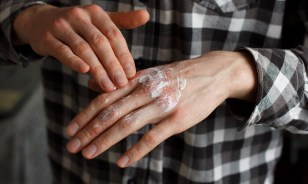
For most mild to moderate ringworm on the body, feet, or groin, over-the-counter topical antifungal medications are the first-line treatment. These medications are highly effective when applied correctly and consistently.
Effective over-the-counter options include:
- Clotrimazole (Lotrimin AF), Available as cream, solution, and powder. Apply twice daily.
- Miconazole (Micatin, Monistat Derm), Cream, powder, and spray formulations. Apply twice daily.
- Terbinafine (Lamisil AT), Generally considered the most effective OTC antifungal. Apply once or twice daily.
- Tolnaftate (Tinactin), Effective for athlete’s foot and mild body ringworm. Apply twice daily.
How to Apply Topical Antifungals Correctly:
- Wash and thoroughly dry the affected area before each application
- Apply a thin layer of the antifungal cream to the rash AND approximately one centimeter beyond the visible edge of the rash, the fungus has spread beyond what is visible
- Rub in gently until fully absorbed
- Wash your hands thoroughly after application to prevent spreading
- Continue treatment for the full recommended duration, do not stop when the rash appears to be clearing
Critical mistake to avoid: Stopping treatment when the rash looks better. Most topical antifungals require two to four weeks of consistent application. Stopping early, even when the rash appears gone, leaves viable fungal spores in the skin that will cause recurrence.
Additional Measures to Accelerate Healing
Keep the Area Uncovered When Possible
Dermatophytes thrive in warm, moist conditions. Covering the rash with bandages or tight clothing traps moisture and creates favorable fungal growth conditions. Allow the rash to air out as much as possible. Wear loose, breathable clothing over affected areas.
Keep the Area Clean and Dry
Wash the affected area with mild soap and warm water twice daily. Dry thoroughly after washing, particularly between the toes for athlete’s foot. Pat rather than rub dry, rubbing can spread the infection.
Do Not Scratch
This is critically important and extremely difficult given the intense itching. Scratching spreads fungal spores to adjacent skin areas and under the fingernails, facilitating spread to new body areas. Scratching also breaks the skin surface, creating entry points for bacterial superinfection. If itching is severe, applying the antifungal cream can provide temporary relief, as can an over-the-counter hydrocortisone cream used briefly alongside the antifungal.
Wear Appropriate Clothing
Avoid tight, synthetic, non-breathable fabrics over affected areas. Cotton allows air circulation and moisture evaporation. For jock itch, wear clean, loose-fitting underwear daily. For athlete’s foot, wear moisture-wicking socks and well-ventilated shoes.
Wash Clothing and Bedding Regularly
Wash all clothing, towels, and bedding that contact affected skin areas in hot water (above 140°F) and dry thoroughly. Fungal spores survive on fabric and can cause re-infection or spread to other household members.
Prescription-Strength Treatment for Moderate to Severe Cases
When over-the-counter treatments are not working after two to four weeks, or when the infection is widespread, severe, or involves the scalp or nails, prescription antifungal treatment is necessary.
Prescription Topical Antifungals
Higher-concentration prescription topical antifungals, including ketoconazole, econazole, and ciclopirox, are more potent than OTC options and appropriate for moderate infections that have not responded to over-the-counter treatment.
Oral Antifungal Medications
Oral antifungals are required for:
- Tinea capitis (scalp ringworm), topical medications cannot penetrate the hair follicle adequately
- Tinea unguium (nail ringworm), the nail plate prevents topical penetration
- Widespread body ringworm involving large areas of skin
- Ringworm that has not responded to adequate courses of topical treatment
- Severely immunocompromised patients
Commonly prescribed oral antifungals include:
- Terbinafine (Lamisil): Most commonly prescribed. Six weeks for fingernails, twelve weeks for toenails, two to four weeks for scalp ringworm.
- Itraconazole (Sporanox): Alternative with broader antifungal spectrum. Used for nail and scalp infections.
- Griseofulvin: Older medication still used, particularly for tinea capitis in children. Requires four to six weeks for scalp infections.
Oral antifungals require physician prescription and monitoring, liver function tests may be needed with extended courses.
How Long Does Ringworm Take to Disappear?
Recovery time varies significantly based on infection type, severity, and treatment adherence.
Recovery Timeline
- Mild tinea corporis (body ringworm) with OTC treatment: 2 to 4 weeks with consistent application
- Moderate body ringworm with prescription topicals: 4 to 6 weeks
- Severe or widespread ringworm with oral antifungals: 4 to 8 weeks
- Tinea capitis (scalp ringworm) with oral antifungals: 6 to 12 weeks
- Tinea unguium (nail ringworm) with oral antifungals: 3 to 6 months for fingernails; 6 to 12 months for toenails
The most common reason for prolonged ringworm: Stopping treatment too early. The rash visibly clears while viable fungal spores remain in the skin. Within weeks of stopping treatment, the rash returns, often appearing to be a new infection when it is actually a relapse.
Can Urgent Care Treat Ringworm? When to See a Medical Professional
Many cases of mild ringworm are self-treatable with over-the-counter antifungals. However, professional medical evaluation adds significant value in several situations.
See a Doctor If:
- The diagnosis is uncertain: Ringworm mimics numerous other skin conditions, including eczema, psoriasis, contact dermatitis, pityriasis rosea, secondary syphilis, Lyme disease rash, and in some facial presentations, lupus. Treating eczema with antifungal cream, or treating ringworm with hydrocortisone alone, produces no improvement and delays correct treatment.
- The rash is on the scalp: Tinea capitis requires prescription oral antifungal treatment. Topical creams alone will not clear scalp ringworm.
- The rash involves the nails: Nail ringworm requires months of oral antifungal treatment with physician monitoring.
- The rash is spreading rapidly or has been present more than four weeks without improvement: Spreading or non-responsive ringworm may require prescription-strength treatment or may indicate a diagnosis other than simple ringworm.
- The rash is infected: Scratching ringworm until it bleeds or weeps pus indicates bacterial superinfection. This requires antibiotic treatment, oral, topical, or both, in addition to antifungal treatment. Our infections emergency care team treats skin infections including complicated ringworm with bacterial superinfection.
- You or your child is immunocompromised: People with weakened immune systems develop more aggressive, treatment-resistant ringworm that requires prescription therapy and close monitoring.
- A child has scalp ringworm with a boggy, pus-filled scalp mass (kerion): A kerion is a severe inflammatory reaction to scalp fungal infection that resembles an abscess. It requires prompt medical evaluation and treatment, it is not a bacterial abscess and should not be drained without antifungal therapy.
For related information on skin infections and how to distinguish them from one another, read our guide on how to tell if you have a skin infection and our article on insect bites that require medical attention, some bites produce ring-shaped rashes that can be confused with ringworm.
Preventing Ringworm: How to Protect Yourself and Your Family
Prevention significantly reduces ringworm risk, though it cannot provide complete protection given the fungus’s environmental prevalence.
Personal Prevention Strategies
- Wash hands frequently, particularly after contact with animals or soil
- Shower promptly after athletic activity, particularly contact sports
- Dry all skin areas thoroughly after bathing, fungus thrives in moisture
- Wear shower sandals in communal bathrooms, locker rooms, and pool areas
- Do not share personal items, towels, combs, hats, clothing, or athletic gear
- Wear loose, breathable clothing, particularly in warm weather
- Change socks and underwear daily, more often if sweating heavily
- Keep pet environments clean and have pets examined by a veterinarian if you suspect fungal infection
Household Prevention During Active Infection
- Wash all clothing and bedding in hot water regularly
- Disinfect bathroom surfaces, particularly shower floors and bath mats
- Do not share towels or clothing with infected family members
- Treat all household pets simultaneously with veterinary antifungal treatment
- Inform close contacts, classmates, teammates, family members, about the infection so they can monitor for early signs
Why Village Emergency Center Is Ready for Your Skin Emergency
Skin infections that are spreading, painful, infected, or not responding to home treatment deserve fast, expert medical evaluation, not days of uncertainty. Village Emergency Center is open 24 hours a day, every single day of the year, with board-certified emergency physicians ready to diagnose skin conditions accurately and provide prescription treatment when needed. No appointments. No long waits. Families across League City, Jersey Village, and Clear Creek trust us because we treat every skin condition, from straightforward ringworm to complicated bacterial superinfection, with thoroughness and care. Do not let a skin infection spread while you wait. Schedule your visit or walk in right now, we are always here for you.