
Hip injuries from falling are often associated with older adults, but fall related injuries, including hip fractures and other hip problems, can happen to anyone at any age. In this article, we will explore some of the most common hip injuries, along with their causes, symptoms, and available treatments.
Are Hip Injuries Serious
The seriousness of a hip injury can range from minor to life threatening. So are hip injuries serious? They absolutely can be, and the answer often depends on the person’s age and overall health going into the fall.
Hip injuries are notoriously difficult to recover from, especially for older adults. After suffering a hip injury, many older adults are no longer able to live independently. Along with a loss of independence, hip injuries can bring negative long term effects such as reduced mobility and a decreased range of motion.
Why Recovery Matters So Much
A prolonged lack of movement can lead to blood clots in the legs or lungs, bedsores, pneumonia, and a loss of muscle mass. Each of these conditions raises the risk of death or, at the very least, raises the risk of falling again in the future.
Physical therapy plays a major role in recovery for many hip injuries, since rebuilding strength and balance gradually helps prevent the exact kind of instability that led to the original fall. Patients who commit to their full course of therapy tend to regain independence faster than those who stop once the pain subsides.
For these reasons, any hip injury sustained by you or a loved one deserves to be taken seriously and treated with real care rather than dismissed as something that will simply heal on its own.
Common Causes of Hip Injuries
Hip injuries can result from a variety of accidents and underlying health factors. Common causes and risk factors include:
- Falls: Approximately 95% of hip fractures are caused by slips, trips, or falls, making them the leading cause of serious hip injuries.
- Trauma and overuse: Car accidents, contact sports, blunt force injuries, and repetitive overuse can also damage the hip joint or surrounding bones and soft tissues.
- Osteoporosis and low bone density: Weakened bones are more likely to fracture during a fall or other impact, particularly in older adults.
- Higher risk in women: Women account for about three-quarters of hip fractures, largely because osteoporosis and reduced bone density are more common after menopause.
- Age-related bone loss: Bone density naturally declines with age, especially after menopause, making preventive screening and bone health monitoring increasingly important.
Risk Factors Worth Knowing
Several factors can increase the likelihood of a fall and raise the risk of a hip injury:
- Limited mobility or poor balance: Difficulty walking, impaired gait, or balance problems make falls more likely.
- Vision impairment: Reduced eyesight can make it harder to spot obstacles or uneven surfaces.
- Reduced muscle strength: Loss of muscle mass and strength decreases stability and the ability to recover from a stumble.
- Slower reaction time or certain medications: Some medications and age-related changes can affect coordination, alertness, and balance.
- Recovery from another injury: Healing from an injury, such as a severe ankle sprain, can temporarily increase fall risk by altering the way you walk or distribute your weight.
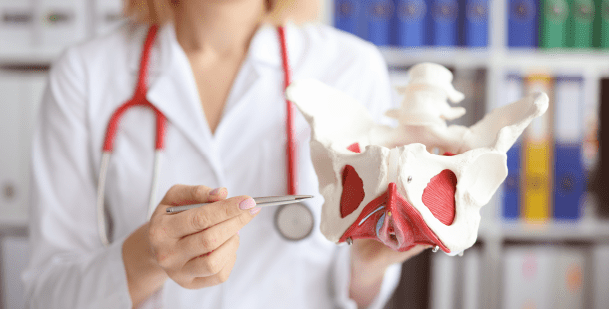
What Injuries Can You Get from Falling on Your Hip
Hip injuries from falling can take several different forms, each with its own symptoms and severity. Here is a closer look at the most common ones.
Bursitis
Bursae are the fluid filled sacs that cushion the harder parts of your bones, reducing friction and wear over time. When these sacs sustain an injury, they become inflamed, a condition known as bursitis.
This condition can cause localized pain in the affected area, along with pain that worsens with pressure or slight movement. It can sometimes make even simple movements like walking up stairs noticeably uncomfortable.
Labral Tears
The hip is a ball and socket joint, and the labrum is the connective tissue that holds the hip ball securely in its socket. This tissue can be damaged fairly easily during a fall, leading to instability, pain, and in some cases dislocation of the joint itself.
Recovery from a labral tear often takes longer than people expect, since this connective tissue does not heal as quickly as muscle tissue does.
Dislocation
A dislocation happens when the hip joint pops out of its socket, similar to how a shoulder can dislocate. This can cause pain ranging from acute to severe, along with muscle spasms, swelling, discoloration, numbness, an inability to put weight on the leg, and a visible shift in the position of the hips and legs.
Fracture
Hip fractures often occur in the upper portion of the femur and represent one of the most common hip injuries from falls, particularly among elderly patients. A broken hip bone can cause intense pain and an inability to move or stand.
Additional signs include swelling, bruising, a noticeable difference in leg length, and visible distortion in the shape of the hips or legs. A broken bone anywhere in the body generally shares these same warning signs and deserves the same urgency in getting evaluated.
Hip Strain
The hip contains several major ligaments, tendons, and muscles, any of which can be pulled or injured during a fall or a strenuous activity. A hip strain can result in tenderness, a limited range of motion, swelling, muscle weakness, and pain during movement.
Snapping Hip Syndrome
Snapping hip syndrome is a condition marked by an audible snapping sound or sensation felt in the hip area. Other symptoms tied to this condition include tightness in the hip, swelling, weakness, and limited mobility.
Instability
If a person has already been injured in a fall, it is possible that instability was actually what caused the fall to begin with. When this is the case, a person may experience even more instability afterward, which raises the risk of falling again. Addressing the root cause matters just as much as treating the injury itself.

How to Prevent Falls
While accidents will always happen, there is plenty you can do to lower your risk of falling and prevent many falls altogether. Sticking to a regular exercise routine helps you stay strong and improves balance over time, and even simple activities like walking or light strength training make a noticeable difference.
Daily Habits That Reduce Risk
Simple lifestyle changes can help strengthen your bones and lower the risk of falls and hip injuries:
- Eat a bone-healthy diet: Choose foods rich in calcium and vitamin D to support bone strength and reduce the risk of fractures.
- Maintain a healthy weight: Keeping excess weight off your joints can improve mobility and reduce stress on the hips.
- Schedule regular eye exams: Correcting vision problems can help prevent falls by making it easier to spot obstacles and uneven surfaces.
- Avoid smoking: Smoking contributes to bone loss and can increase the risk of osteoporosis and fractures over time.
- Use mobility aids when needed: A cane or walker can provide extra stability and reduce the likelihood of falls if you have balance or mobility concerns.
- Take precautions during high-risk activities: Use appropriate safety equipment and be mindful of your surroundings to help prevent accidents and injuries.
Treatment for Hip Injuries Caused by Falls
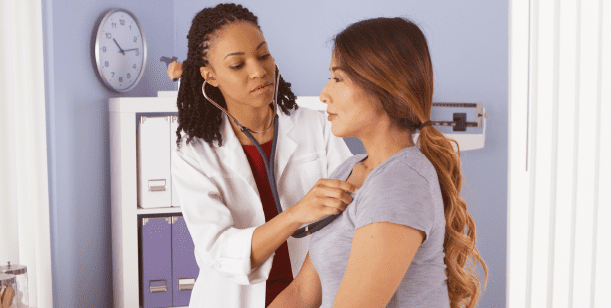
Even with all of these precautions in place, you may still be injured in a fall. If this happens, you can either manage the pain yourself or seek medical help depending on how severe the injury actually is.
When Home Care Is Enough
For younger adults and most people, mild symptoms of a hip strain or minor injury can often be treated with ice, rest, and immobilizing the hip for a short period. Recovery in these cases tends to go smoothly as long as the hip is given enough time to heal properly and activity is reintroduced gradually rather than all at once.
When to Seek Medical Help
Older adults and anyone with a more severe hip injury should seek medical assistance as soon as possible rather than waiting to see if symptoms improve. A severe hip injury will almost always require surgical intervention or a hip replacement, and recovery timelines for these procedures can vary widely depending on age and overall health.
Ignoring pain in the hope that it resolves on its own can make the underlying problem considerably worse. If a fall also results in visible bruising or swelling elsewhere on the body, understanding how to treat a fall injury more broadly can help you assess whether other areas need attention too.
Seeking medical attention right away gives you the best possible chance at a full and lasting recovery, rather than allowing a treatable injury to develop lasting complications.
Why Village Emergency Center Is Ready to Treat Hip Injuries from Falls
If you or someone you love has suffered a fall, do not hesitate to reach out to medical professionals you can trust. Village Emergency Center has board certified physicians on staff around the clock who can examine, diagnose, and treat your hip injury.
Families in Jersey Village and Clear Creek trust us just as much as those near our League City location, where our team can evaluate your injury quickly. Get the peace of mind you deserve and rely on the Village Emergency Center whenever a fall leaves you needing answers.