
You blew your nose again. Now there is blood on the tissue. If you deal with seasonal allergies or year-round sensitivities, you have probably noticed that nosebleeds seem to follow your allergy flare-ups. That is not a coincidence. Allergies are one of the most common and least discussed causes of nosebleeds.
Millions of Americans experience both conditions simultaneously, and most do not realize the two are directly connected. The good news is that allergy-related nosebleeds are usually harmless and manageable. The concerning news is that some nosebleeds signal something far more serious. Knowing the difference between a routine bleed and a dangerous one could protect your health.
This guide covers everything, from why allergies cause nosebleeds, to how to stop one safely, to the warning signs that mean you need emergency care right now.
Why Do Allergies Cause Nosebleeds?
Your nose is far more delicate on the inside than most people realize. The nasal lining is packed with dozens of tiny, fragile blood vessels sitting just beneath the surface of the mucous membrane. These vessels are essential, they warm and humidify the air you breathe before it reaches your lungs. But their location makes them extremely vulnerable to irritation and damage.
When you encounter an allergen, your immune system launches a defensive response. Your sinuses become inflamed and swollen. Mucus production increases dramatically. Your nasal passages feel congested, blocked, and irritated.
In response, most people do the natural thing, they blow their nose. Repeatedly. And forcefully. This is where the nosebleed cycle begins.
Aggressive, frequent nose blowing dries out the delicate nasal membrane. Dry nasal tissue becomes brittle and fragile. Those tiny blood vessels lose the moist, protective layer that cushions them. They crack and break open. The result is a nosebleed. Understanding this chain is the key to breaking it.
What Types of Allergies Cause Nosebleeds?
Any allergy that affects the respiratory system can trigger the nasal inflammation and congestion that leads to nosebleeds. The most common respiratory allergens that cause this pattern include:
Common Airborne Allergens That Trigger Nosebleeds
Pollen
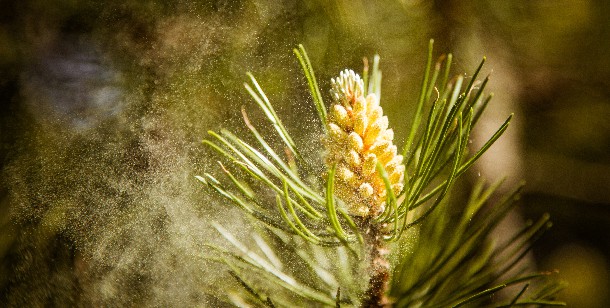
Tree, grass, and weed pollen are the primary drivers of seasonal allergic rhinitis, commonly called hay fever. Spring and fall are peak seasons in Texas. Pollen concentrations can be extremely high on dry, windy days, producing intense nasal congestion that leads to repeated nose blowing and subsequent nosebleeds.
Dust Mites
Dust mites are microscopic organisms that live in bedding, upholstered furniture, and carpets. Exposure is constant and year-round. People with dust mite allergies often experience chronic nasal congestion and are therefore more prone to recurrent nosebleeds than those with strictly seasonal allergies.
Mold Spores
Mold thrives in damp, humid environments. Houston’s climate creates ideal conditions for mold growth both indoors and outdoors. Mold spore counts spike after rainfall and in humid summer months, making this a particularly relevant allergen for Texas residents.
Pet Dander
Proteins found in the skin cells, saliva, and urine of cats, dogs, and other animals trigger allergic responses in sensitive individuals. Pet dander is sticky and pervasive, it clings to furniture, clothing, and air ducts, making exposure difficult to avoid entirely.
Cockroach Waste
This allergen is less commonly discussed but highly relevant in urban Texas environments. Proteins found in cockroach droppings and body parts are potent allergens that contribute to chronic nasal inflammation and congestion.
If you are dealing with year-round allergy symptoms that keep triggering nosebleeds, our blog on can allergies make you tired explores how chronic allergic inflammation affects your entire body, not just your nose.
Other Causes of Nosebleeds Beyond Allergies
Allergies are a common cause of nosebleeds, but they are not the only one. When evaluating your nosebleeds, it is important to consider the full picture. Several other factors can cause or contribute to nosebleeds, either independently or alongside allergies.
Dry Air and High Altitudes
The nasal membrane needs moisture to stay intact and functional. Dry air, whether from low humidity in winter, air conditioning, or high altitudes, dehydrates the nasal lining rapidly. The blood vessels become exposed and vulnerable. Even people without allergies experience frequent nosebleeds in very dry climates or at high elevations.
In Houston and surrounding areas, air conditioning runs for most of the year. Indoor air is often significantly drier than optimal. This is a year-round contributing factor for many residents.

Excessive Nose Blowing or Picking
Forceful, repeated nose blowing, whether from allergies, a cold, or a sinus infection, is one of the most common mechanical causes of nosebleeds. Each forceful blow puts pressure on those fragile nasal blood vessels.
Nose picking is equally damaging. The fingernail creates tiny lacerations in the nasal membrane. These small cuts expose blood vessels and cause bleeding. In children, nose picking is the single most common cause of nosebleeds.
Facial and Nasal Trauma
A direct blow to the nose, from a sports injury, car accident, fall, or physical altercation, can cause significant nosebleeds. Trauma-related nosebleeds are in a different category from allergy-related ones. They can indicate a broken nose, facial fracture, or deeper structural damage that requires immediate medical evaluation.
If your nosebleed followed a head or facial injury, do not treat it as a routine bleed. Get evaluated right away. Our emergency care team can assess facial trauma and rule out fractures with on-site imaging.
Certain Medications
Blood-thinning medications, including warfarin, aspirin, clopidogrel, and newer anticoagulants, prevent normal clotting. People on these medications experience nosebleeds far more easily and may have significantly more difficulty stopping them. If you are on a blood thinner and experience a nosebleed that will not stop within 20 minutes, this is a medical emergency.
Nasal corticosteroid sprays, commonly prescribed for allergies, can also occasionally cause nosebleeds if the spray is directed at the nasal septum rather than away from it. Adjusting your spray technique can eliminate this side effect.
Underlying Medical Conditions
Recurring nosebleeds can sometimes indicate underlying health conditions that require medical attention. These include:
- High blood pressure
- Bleeding disorders such as hemophilia or von Willebrand disease
- Blood clotting abnormalities
- Liver disease
- Nasal polyps or tumors
- Leukemia and other blood cancers in rare cases
This is why persistent or recurrent nosebleeds should never be ignored. Read more about can allergies cause swollen lymph nodes to understand how widespread allergic inflammation can affect multiple systems in your body simultaneously.
How to Stop Nosebleeding Safely?
Most nosebleeds can be stopped at home with the correct technique. The key word here is correct, many common instincts about stopping nosebleeds are medically wrong and can make things worse.
Step-by-Step Guide to Stopping a Nosebleed
Step 1
Stay calm and sit upright Panic elevates blood pressure, which worsens bleeding. Sit down in a chair or stand. It is critical that you do not lie down or recline. Lying down increases your risk of blood flowing down your throat.
Step 2
Lean slightly forward Tilt your head forward, not backward. This is one of the most important and most commonly misunderstood instructions. Leaning backward causes blood to flow down the back of your throat. Swallowing blood causes nausea, vomiting, and can lead to choking.
Step 3
Pinch the soft part of your nose Use your thumb and index finger to pinch the soft, fleshy part of your nose, not the bony bridge. This applies direct pressure to the blood vessels responsible for most nosebleeds. Breathe through your mouth during this time.
Step 4
Maintain firm, continuous pressure Hold pressure for a full 10 minutes without releasing to check. Releasing early is the most common reason nosebleeds restart. Set a timer if needed. After 10 minutes, gently release and check if bleeding has stopped.
Step 5
If bleeding continues, apply a nasal spray If the nosebleed persists beyond 10 minutes, a decongestant nasal spray like oxymetazoline can help constrict the blood vessels. Apply as directed and continue pinching with pressure.
What NOT to Do During a Nosebleed
- Do not tilt your head back, This causes blood to flow into your throat and stomach
- Do not blow your nose, This dislodges forming clots and restarts or worsens bleeding
- Do not stuff tissues tightly into the nostril, This can damage the nasal membrane further
- Do not lie flat, This increases blood pressure in the nasal vessels and makes bleeding worse
- Do not check repeatedly before 10 minutes, Every check disrupts clot formation

How to Prevent Allergy-Related Nosebleeds
The best treatment is prevention. If allergies are driving your nosebleeds, managing the underlying allergy reduces both problems simultaneously.
Practical Prevention Strategies
Keep nasal passages moisturized
Apply a thin layer of petroleum jelly or saline-based nasal gel to the inside of your nostrils daily, particularly around the nasal septum. This maintains moisture in the nasal membrane and protects blood vessels from drying out and cracking.
Use a saline nasal rinse
A saline nasal rinse or nasal spray flushes allergens out of the nasal passages and keeps membranes hydrated. Use it morning and evening during allergy season. This reduces congestion and the urge to blow your nose aggressively.
Run a humidifier indoors
Maintaining indoor humidity between 40% and 50% keeps nasal membranes moist. This is particularly important during air conditioning season and in winter when indoor air becomes very dry.
Treat your allergies proactively
Managing allergy symptoms reduces nasal congestion before it becomes severe. Antihistamines, nasal corticosteroid sprays, and allergy shots all reduce the inflammatory response that leads to congestion and nose blowing. Our blog on how do allergy shots work explains this treatment option in detail for those dealing with chronic, severe allergies.
Blow your nose gently
When you do need to blow, use one nostril at a time and apply only gentle pressure. Forceful simultaneous blowing puts enormous pressure on nasal blood vessels.
Avoid known allergens when possible
Monitor pollen counts and limit outdoor time on high-count days. Keep windows closed during peak pollen hours, typically mid-morning to afternoon. Use HEPA air filters in your home to reduce airborne allergens indoors.
Recurring Nosebleeds: When to See a Doctor
An occasional nosebleed during allergy season is completely normal. But nosebleeds that happen more than once a week are considered frequent and recurring, and they deserve professional evaluation.
Signs Your Nosebleeds Need Medical Attention
- Nosebleeds occurring more than once per week
- Nosebleeds that last longer than 20 minutes despite proper treatment
- Nosebleeds accompanied by unusually heavy menstrual periods, this combination can indicate a bleeding disorder
- Nosebleeds that occur alongside unexplained bruising elsewhere on the body
- Nosebleeds in a child under 2 years old
- Nosebleeds following new medication, especially blood thinners or aspirin therapy
- Nosebleeds accompanied by fatigue, pallor, or shortness of breath, signs of anemia from blood loss
Your physician may recommend allergy testing to identify specific triggers. Blood tests may be ordered to check clotting function. A referral to an ear, nose, and throat specialist may be appropriate if structural issues like polyps are suspected. The connection between allergies, ear and sinus inflammation, and nosebleeds is also explored in our blog on can allergies cause ear infections.

When a Nosebleed Is a Medical Emergency
Most nosebleeds are not emergencies. But some are. Recognizing the difference can save your life.
Go to the Emergency Room Immediately If:
- The nosebleed does not stop after 20 to 30 minutes of proper treatment
- The bleeding is heavy and you are losing a significant amount of blood
- The nosebleed followed a head injury, facial trauma, or car accident
- You are on blood-thinning medication and the bleed will not stop
- You feel dizzy, lightheaded, or faint during the nosebleed, signs of significant blood loss
- You are coughing or vomiting blood that has been swallowed
- The nosebleed is accompanied by chest pain or difficulty breathing
- A young child has an uncontrollable nosebleed
These situations require immediate medical intervention. Do not attempt to continue managing at home. Blood loss from a severe nosebleed can be more significant than it appears, blood draining down the throat is hidden from view.
Frequently Ask Questions
Why Village Emergency Center Is Your Partner in Allergy and Nosebleed Care
Nosebleeds that will not stop, allergy emergencies, and respiratory distress deserve fast, expert attention, not a waiting room that takes hours to see you. Village Emergency Center is open 24 hours a day, every day, with no appointments necessary and no long waits. Families across League City Emergency Room, ER in Jersey Village, and Emergency Room in Clear Creek trust us to handle everything from persistent nosebleeds to severe allergic reactions with the speed and precision that emergencies demand. Our board-certified physicians assess, treat, and stabilize, and our on-site imaging and lab services mean nothing gets missed. Whether it is a bleed that will not quit or an allergy flare pushing into emergency territory, do not wait. Schedule your visit or walk in right now, we are always ready.