
One wrong step. A slippery floor. An uneven curb. A fall can happen to anyone, anywhere, at any time. In the United States, falls are the leading cause of emergency room visits for adults over 65. But falls injure people of every age, athletes, children, construction workers, and perfectly healthy adults going about their day. The moments immediately following a fall are the most critical. Moving the wrong way can turn a minor injury into a serious one. Waiting too long to seek care can allow internal damage to go undetected.
Knowing exactly what to do, step by step, can protect you from making a bad situation dramatically worse. This guide walks you through every stage: checking for injuries, getting up safely, treating minor wounds, and recognizing the signs that mean you need emergency care right now.
Why Fall Injuries Are More Serious Than They Look
Falls cause a wide range of injuries. Some are immediately obvious, a bleeding wound, a bone visibly out of place. Others are invisible and dangerous. Internal bleeding, hairline fractures, concussions, and soft tissue damage do not always produce immediate pain. Many people stand up after a fall, feel fine, and discover hours later that something is seriously wrong.
This is why the first minutes after a fall require calm, systematic assessment, not a rush to get back on your feet and carry on.
The Most Common Fall Injuries Seen in Emergency Rooms
- Wrist and hand fractures, Instinctively reaching out to break a fall puts enormous impact on the wrist
- Hip fractures, Particularly dangerous in older adults; can be life-threatening without prompt care
- Head injuries and concussions, Even a mild bump on the head can cause serious brain injury
- Ankle and knee sprains, Ligament damage that worsens dramatically with continued weight-bearing
- Soft tissue injuries, Bruising, muscle tears, and internal bleeding that are invisible from the outside
- Spinal injuries, Falls from height or onto hard surfaces can damage vertebrae and the spinal cord
- Shoulder injuries, Rotator cuff tears and dislocations are common when catching a fall
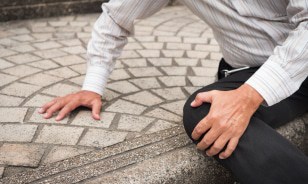
Step 1: Check for Injuries Before You Move
The very first thing to do after a fall is stop. Do not immediately try to get up. Take a breath. Assess your body carefully before making any movement.
How to Check Yourself for Injuries After a Fall
Check your head and neck first
Do you have any pain in your neck or the back of your head? Is there any numbness or tingling traveling into your arms or legs? These symptoms could indicate a spinal injury. If you suspect a neck or spinal injury, do not move. Call 911 immediately. Moving with a spinal injury can cause paralysis.
Check your hips and pelvis
Can you feel both legs normally? Is there sharp pain in your hip or groin area? Hip fractures often produce severe pain in the groin and an inability to bear weight on one leg. In older adults, a hip fracture must be ruled out before attempting to stand.
Check your arms and wrists
If you reached out during the fall, inspect both wrists and hands. Look for deformity, swelling, or severe pain. These are signs of a possible fracture. Learn more abouthow to tell if your wrist is broken or sprained before putting weight on an injured wrist.
Check for head injury signs
Are you confused or disoriented? Do you have a headache that is worsening? Is your vision blurred? Are you feeling nauseous? These signs indicate a possible concussion or more serious head injury. Head injuries require immediate evaluation regardless of how minor the fall seemed.
Check for bleeding
Look over your entire body for cuts, lacerations, or areas of rapid swelling. Press gently on any area that is painful to assess for tenderness that could signal a fracture beneath the surface.
If you are unsure whether you are injured, stay still and call for help. It is always safer to wait for assistance than to risk turning a fracture into a displacement injury.
Step 2: How to Get Up From the Floor Safely
If you have assessed yourself and believe you have no serious injuries, getting up from the floor still requires a careful, controlled approach. Rushing upright after a fall is a common way people sustain secondary injuries.
The Safe Step-by-Step Method to Get Up After a Fall
Step 1: Take several slow, deep breaths. Allow your heart rate to settle and your body to stabilize before moving.
Step 2: Slowly roll onto your side. Move deliberately and pause if any new pain appears during this movement.
Step 3: From your side, use your arms to push yourself up into a hands-and-knees position. Move slowly and smoothly, no jerking or sudden movements.
Step 4: Crawl toward the nearest sturdy, stable object. A heavy chair, a couch, a bed frame, or a wall are all good options. Avoid objects on wheels or anything that could tip over when you put weight on it.
Step 5: Place both hands firmly on the stable object. Slide one foot forward so that it is flat on the floor. Your other knee stays on the ground.
Step 6: Using both your arms and your forward leg, push yourself up slowly. Rise in a controlled manner, do not lunge upward.
Step 7: Once standing, sit down immediately on the nearest stable surface. Do not walk around right away. Sit quietly for several minutes and continue assessing how you feel.
When Getting Up Is Not Safe
If at any point during this process you experience:
- Severe or worsening pain
- Inability to bear weight on a leg or hip
- Dizziness or blackout feeling
- Numbness or weakness in any limb
Stop immediately. Lower yourself gently back to the ground. Call for help. Do not attempt to stand again without assistance.
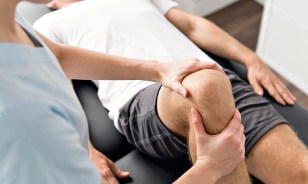
Step 3: Call for Help When You Need It
Pride should never override safety after a fall. Calling for help is not weakness, it is the smartest decision you can make. Many fall-related deaths and serious disabilities occur because people tried to handle the situation alone when they should not have.
Your Options for Getting Help After a Fall
- Personal medical alarm: Devices like Life Alert allow you to summon help with the press of a button. These are strongly recommended for anyone over age 65 or anyone with limited mobility. If you live alone, a personal alarm is one of the most important safety investments you can make.
- Call out loudly: Shout for help if anyone might be nearby. Do not feel embarrassed. A few seconds of discomfort is worth avoiding a worsened injury.
- Bang on the floor or wall: Use your hand, a shoe, or any object to create noise that draws attention from neighbors.
- Use your phone: If your phone is within reach, call a family member, neighbor, or friend first. Call 911 if no one else is available or if your injuries are serious.
- Text 911: In most areas of Texas, you can now text 911 if you are unable to speak. This is particularly useful if you are alone and in severe pain.
Step 4: Keep Moving If Help Is Delayed
If you are waiting on the floor for help to arrive, staying completely still for a long period can cause its own problems. Prolonged immobility on a hard floor can lead to:
- Muscle stiffness and increased soreness
- Pressure injuries on bony prominences like hips and heels
- Hypothermia if the environment is cold
- Dehydration anxiety if help is significantly delayed
Safe Movements While Waiting for Help
- Gently flex and extend your fingers, hands, and feet to maintain circulation
- Shift your position slightly every few minutes to relieve pressure points
- If possible, pull a nearby blanket, cushion, or piece of clothing under your hip or head for padding
- Continue to breathe slowly and steadily, do not hold your breath or hyperventilate
These movements should be gentle and should not involve putting any weight on an injured area.
Step 5: Treat Minor Fall Injuries at Home
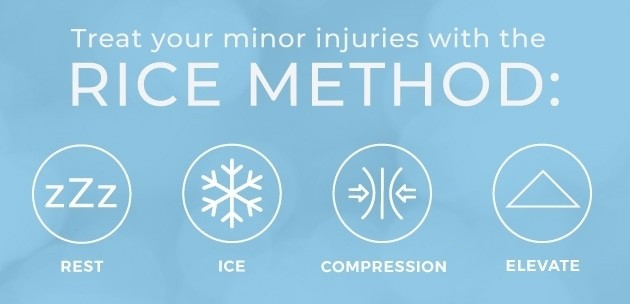
For minor falls where no serious injury is identified, home treatment using the RICE method is the standard and most effective approach.
The RICE Method for Fall Injuries
R, Rest Rest is the foundation of injury recovery. Continuing to use an injured limb prevents healing and worsens damage. Take it easy. Reduce activity for at least 24 to 48 hours after the fall. Avoid putting weight on the injured area until pain has significantly decreased.
I, Ice Apply ice to the injured area as soon as possible, ideally within the first 20 minutes after injury. Ice reduces swelling by constricting blood vessels and removes excess heat that builds up at the injury site. Use a cloth-wrapped ice pack or a bag of frozen vegetables. Apply for 15 to 20 minutes at a time. Remove for at least 20 minutes between applications. Never apply ice directly to bare skin.
C, Compression Wrapping the injured area with a compression bandage reduces swelling and provides structural support. Wrap firmly but not so tightly that it cuts off circulation. Loosen the bandage immediately if you feel numbness, tingling, or increased pain below the wrap.
E, Elevation Keep the injured body part elevated above the level of your heart whenever possible. This uses gravity to help your body drain the excess fluid that accumulates at injury sites. Prop your arm or leg on pillows or cushions. Maintain elevation for as much of the day as possible during the first 48 hours.
Additional Home Care Tips
- Take over-the-counter pain relievers like ibuprofen or acetaminophen to manage pain and inflammation
- Avoid heat application for the first 48 hours, heat increases blood flow and worsens acute swelling
- Keep all cuts and abrasions clean and covered with antibiotic ointment and bandages
- Monitor your symptoms closely and reassess every few hours
When to Go to the ER After a Fall
This is where many people make dangerous decisions. They feel okay immediately after the fall and decide not to seek care. Hours or days later, a serious injury makes itself known, and by then the damage is worse.
Go to the Emergency Room Immediately After a Fall If You Have:
- Any head injury, no matter how minor the fall seemed
- Loss of consciousness, even briefly
- Confusion, memory loss, or difficulty thinking clearly
- Neck pain or any numbness, tingling, or weakness in the arms or legs
- Severe pain in the hip, back, or any bone
- An arm or leg that looks deformed, misshapen, or is held at an unusual angle
- Inability to bear weight on a hip, knee, or ankle
- A wound that is deep, gaping, or will not stop bleeding
- Abdominal pain after the fall, this can indicate internal organ injury
- Signs of internal bleeding: dizziness, rapid heartbeat, pale skin, confusion
If a child or elderly person has fallen, always seek evaluation regardless of how minor it appears. Children can sustain concussions from falls that seem trivial. Elderly adults can have hip fractures without immediate severe pain, particularly those with osteoporosis.
For ankle injuries specifically, read more about how long does a severe ankle sprain take to heal to understand recovery timelines and when surgical evaluation is needed.
Our orthopedic care team handles fractures, sprains, dislocations, and all fall-related musculoskeletal injuries with on-site X-ray and imaging available 24 hours a day.

Preventing Future Falls
After treating a fall injury, the most important next step is preventing the next fall from happening. Falls are not inevitable, most are preventable with the right precautions.
Home Safety Modifications to Prevent Falls
- Install grab bars in bathrooms beside the toilet and inside the shower
- Remove loose rugs and secure all floor coverings with non-slip backing
- Ensure all staircases have solid, secure handrails on both sides
- Improve lighting throughout the home, particularly in hallways and staircases
- Keep pathways clear of clutter, cords, and obstacles
- Place frequently used items at accessible heights to avoid reaching or bending
- Wear supportive, non-slip footwear, avoid loose slippers or socks on hard floors
Physical Strategies to Reduce Fall Risk
- Practice balance-strengthening exercises such as tai chi or yoga regularly
- Maintain regular physical activity to preserve muscle strength in the legs and core
- Have your vision checked annually, impaired vision is a major fall risk factor
- Review all medications with your physician, many common medications affect balance and coordination
- Address any dizziness, weakness, or balance issues with your doctor proactively
Protecting elderly loved ones from falls is particularly important. Read our guide on how to protect your elderly loved one from slips and falls for a detailed prevention strategy tailored to older adults.
Frequently Ask Questions
Why Village Emergency Center Is Ready When Falls Happen
Falls do not wait for convenient hours. They happen at midnight, on holidays, and during moments when no clinic is open. Village Emergency Center is open 24 hours a day, every day of the year, with no appointments needed and no long waits. Families across ER in League City, Jersey Village ER, and Clear Creek Emergency Room, rely on us for fast, expert evaluation of every fall injury, from minor sprains to serious fractures and head trauma. Our on-site X-ray, CT imaging, and board-certified emergency physicians mean you get answers quickly and leave with a clear treatment plan. Never minimize a fall. Never wait and hope for the best. Schedule your visit or walk in immediately, we are always here when your family needs us most.