
Whether you’re a veteran at whipping things up in the kitchen or a novice trying your hand at cooking for the first time, odds are that you are going to have a clumsy moment that leads to an accident in the kitchen at some point. Even the most seasoned chefs have been known to nick themselves with those sharp knives. If you ever have a cut that leaves you bloodier than your steak, here are some tips on what to do when you cut your finger while cooking.
Kitchen knife injuries are among the most common household accidents in the United States. While most are minor and manageable at home, some cuts are deeper or more serious than they initially appear, and knowing the difference matters. Understanding how to properly clean, treat, and monitor a finger cut can mean the difference between a quick recovery and a preventable infection or emergency room visit.
How Do You Treat a Sliced Finger Tip?
While the sight of your own blood may be alarming, the good news is that you most likely just need to clean the cut with soap and water. For that reason, the kitchen is arguably the best place to break the skin, everything you need to treat your injury is nearby.
Conversely, the risk of infection is high because uncooked food, especially raw meat, is almost certainly covered in bacteria. But assuming that it is only a minor cut on your finger, odds are that there is no need to call 911. Follow these steps to treat a cut, prevent infection, and ensure that it is healing properly:
Assess the wound
Before doing anything else, take a moment to evaluate the depth and size of the cut. If the cut is too deep or too wide to treat at home, or if the bleeding does not slow after several minutes, you should wrap the wound and go immediately to an emergency room or urgent care. The situation could be a medical emergency if you have punctured a blood vessel, severed a tendon, or need a tetanus shot due to contamination from a dirty knife or surface. Otherwise, continue with at-home care.
Clean the wound
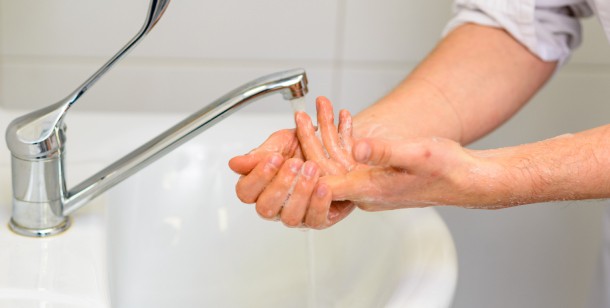
It is normal to see significant bleeding initially, so you shouldn’t be too worried. Run the injured finger under warm water and wash it thoroughly with soap. Use antibacterial soap if you have it, and allow the water to run over the wound for several minutes to flush out any debris or surface bacteria. Avoid scrubbing directly inside the cut, as this can push bacteria deeper into the tissue.
Apply pressure to stop the bleeding
Even small paper cuts tend to bleed for a while, so hold a clean cloth or paper towel firmly to the wound until the bleeding stops. Apply steady, gentle pressure for at least 10 minutes without lifting the cloth to check. If bleeding has not slowed after 10 to 15 minutes of consistent pressure, the wound likely needs professional evaluation. Understanding when a cut needs stitches can help you make that call confidently.
If necessary, apply an antiseptic
Most wounds heal fine with thorough soap-and-water cleaning, but if the wound is particularly deep or was caused by a contaminated surface, applying an antiseptic ointment like Neosporin or Betadine can reduce the risk of infection and support the healing process.
Bandage the wound
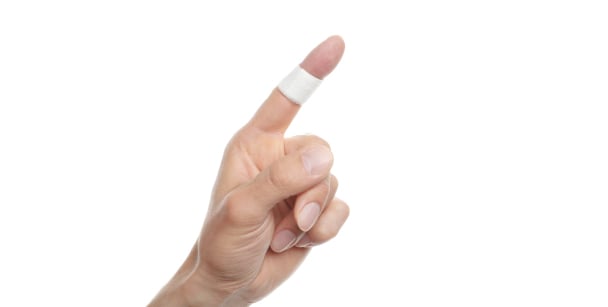
Use a clean, non-adhesive bandage or sterile gauze to cover the cut. This protects the wound from reopening and shields it from environmental bacteria during daily activities. Change the bandage at least once a day, or immediately whenever it becomes wet or dirty.
How Do You Know If a Cut Is Infected?
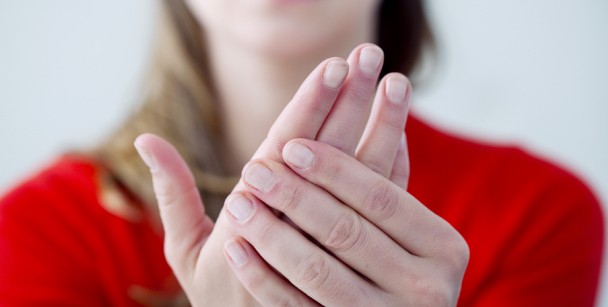
A wound infection occurs when bacteria or other pathogens grow inside the damaged skin before the body can close it off. Kitchen-related cuts carry a higher-than-average infection risk because of the bacteria naturally present on raw food, cutting boards, and kitchen surfaces.
If your cut is infected, you might notice symptoms like:
- Increasing pain, rather than gradual improvement
- Swelling that worsens beyond the first 24 to 48 hours
- Expanding redness spreading beyond the wound edges
- Warmth or heat around the wound site
- Cloudy pus or unusual discharge
- Fever, chills, or nausea in more serious cases
If the infection appears minor, you can likely manage it at home. Only touch the wound with clean hands, keep the wound clean, and change the dressing at least once a day. If you think there might be debris inside, use sterilized tweezers or a damp cloth to gently remove it from the surface. If the wound does not show improvement within one to two days, or if you notice any of the more serious signs listed above, see a doctor.Knowing how to tell if a wound is healing or infected is an important skill for anyone managing a kitchen cut at home. A wound that is healing correctly should gradually become less painful, less red, and more closed with each passing day
When Should You See a Doctor for a Finger Cut?
Not every kitchen cut stays minor. There are specific situations where a cut on the finger, even one that initially seemed manageable, requires a medical evaluation:
- The cut is deep, gaping, or the wound edges will not stay together
- You cannot stop the bleeding after 10 to 15 minutes of direct pressure
- You can see bone, fat tissue, or tendon through the wound
- The cut was made by a dirty or contaminated knife and your tetanus vaccination is not current
- Signs of infection develop and do not improve with at-home care
- The cut is on a joint and is affecting your ability to bend the finger normally
If any of these apply, do not delay. More food-related blog resources to help you stay safe in the kitchen: Uncommon Food Allergies and How to Relieve Bloating from Ulcerative Colitis.
How Long Does It Take for a Cut on the Finger to Heal?
Healing times vary depending on the person’s overall health, age, and the depth and location of the injury. That said, most minor cuts on the finger should heal within 3 to 7 days with proper at-home care. Deeper cuts or those that required stitches may take two to three weeks or longer to fully close.
During the healing period, keep the wound covered, change the dressing daily, and avoid submerging the finger in water for extended periods, which can soften the tissue and slow healing. Keep in mind that fingers are high-movement areas, bending and gripping throughout the day can reopen a healing cut if it is not protected properly.If time passes and your injury does not show improvement, it is probably time to visit an ER or urgent care for professional medical attention.
Get Expert Care at Village Emergency Centers
Find a Village Emergency Center near you. At Village Emergency Centers, our board-certified physicians are available 24 hours a day, 7 days a week with no wait times. Whether you are closer to our League City or Jersey Village location, our doors are always open. Feel free to contact our team before your visit or simply walk straight in, we are always ready to help.