
We’ve all experienced a fall that made us stop and wonder, Am I okay? There’s no way I’m okay, right?, before getting up, brushing the dirt off our hands, and carrying on with the day.
But what happens when you fall and can’t shake the pain off right away?
Moderate to severe pain following an injury can be a sign that something is seriously wrong. Keep reading to find out when you should go to the doctor for back pain after a fall.

How Do You Know if Your Injury is Serious from Back Pain After a Fall?
If you’ve had a recent fall and are unsure about the severity of the injury, it’s always a good idea to consult with your physician, just in case.
Here’s something important to keep in mind: adrenaline released during a fall can mask pain in the first few hours. You may feel fine immediately after, only to wake up the next day with significant discomfort. Some soft tissue injuries and spinal injuries don’t show clear symptoms until 24 to 48 hours later.
If you’re experiencing any of the following symptoms, the injury may be more severe than you realize. Visit our ER for fall injury immediately:
- Ongoing back pain that doesn’t improve with time
- Pain that lasts more than 6 weeks
- Severe pain that doesn’t lessen with traditional treatment methods
- Back and abdominal pain together
- Numbness or altered sensory perception in the upper-inner thighs, buttock, genital, or groin areas
- Severe burning pain in back that disturbs your sleep
Seeking prompt evaluation by medical professionals can ensure you receive the necessary care and prevent further complications.

Types of Back Pain After a Fall
Nearly 22,000 people visit the ER every day after having a bad fall. Those falls can create several different types of injuries, each varying in severity.
Sprains & Strains
These occur when ligaments and tendons are stretched or torn from an impact, bone displacement, or tissue tear. They are the most common fall injury and can range from mild to debilitating.
Tailbone Injuries
These occur when direct impact from a fall causes pain, inflammation, or tenderness at the bottom of the spine. Tailbone fractures are more common than most people realize, especially after landing directly on a hard surface.
Discogenic Pain
This occurs when an abrupt landing fractures, herniates, or dislocates the vertebrae and/or discs in the spine. A herniated disc happens when the rubbery cushion between vertebrae ruptures, pressing on surrounding nerves. This can cause sharp, radiating pain down one or both legs.
Spinal Cord Injuries
These occur when the abrupt trauma is so powerful that it impacts the spinal cord itself, causing potentially permanent damage. Signs include numbness, tingling, weakness in the extremities, or difficulty moving. This is a medical emergency, call 911 immediately if these symptoms are present.
If you are unsure which type of injury you may have sustained, do not wait to find out. Early diagnosis significantly improves recovery outcomes.
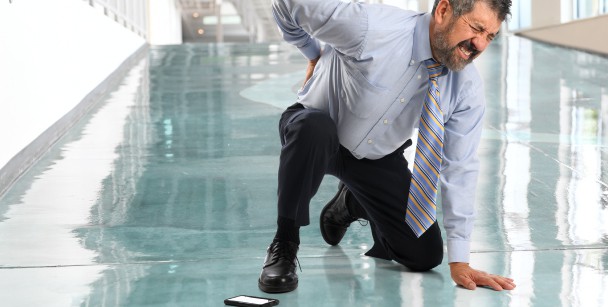
Symptoms To Look For After a Fall on Back
Symptoms of an acute back injury can present in many ways. These are the most common signs to monitor:
- Pain or tenderness that worsens with movement
- Bruising
- Swelling
- Pain that radiates down one or both legs
- Muscle spasms on either side of the spine
- Stiffness or difficulty moving
- Difficulty standing upright
These symptoms may indicate a sprain, strain, or herniated disc. While they warrant medical attention, they are not always emergencies.
However, the following symptoms are serious. Seek emergency treatment or call 911 immediately if you experience:
- Shortness of breath or difficulty breathing
- Numbness or a pins-and-needles sensation in the extremities
- Blood in the urine
- Paralysis or inability to move the lower body
These are signs of a potentially life-threatening injury involving the spinal cord or internal organs. Do not drive yourself, call for emergency help right away.Not sure if your symptoms are serious enough to visit the ER? Learn more about when back pain needs emergency care to help you make that decision quickly and confidently.

How To Treat Back Pain From a Fall?
You’ve probably heard that bed rest is the standard cure for a minor back injury. But many doctors now recommend the opposite, staying gently active helps recovery more than lying still for extended periods.
Unless you’re experiencing serious red flag symptoms, like muscle weakness, fever, loss of bladder or bowel control, or unexplained weight loss, staying as active as possible is important.
Here is what to do to relieve back pain at home:
- DO NOT engage in strenuous exercise for 2–3 weeks after the injury
- DO NOT perform activities involving twisting the back or lifting heavy objects for 6 weeks after the injury
- Pause normal physical activity for the first 48–72 hours, resting for 20 minutes every 3–4 hours to reduce inflammation and swelling
- Apply an ice pack to the affected area for the first 48–72 hours, then switch to heat. Warm showers, baths, and heating pads can help ease tightness and promote blood flow during later recovery
- Take an over-the-counter pain reliever like acetaminophen (Tylenol) or ibuprofen (Advil, Motrin IB) as directed on the label
If symptoms worsen or do not improve within a few days of home treatment, that is a clear sign to seek professional care. Untreated back injuries can develop into chronic back pain that affects your quality of life for months or years.

How Long Does it Take To Recover From a Fall on Your Back?
Recovery time varies widely depending on the type and severity of the injury.
Generally, most acute back pain will begin to improve on its own within 1 to 4 weeks. Minor sprains and muscle strains often resolve with rest, ice, and light movement.
However, recovery can take longer if:
- You delay seeking medical attention
- You have risk factors like advanced age, osteoporosis, or other serious medical conditions
- The injury involves a herniated disc or spinal fracture
- Your lifestyle includes physically demanding work or sports activity
Pain that continues for 12 weeks or more is classified as chronic back pain, even if the original cause of the injury has been treated. Chronic back pain almost always requires professional medical attention before full recovery is possible.
Do not assume a slow recovery is normal. If pain is not improving week over week, it may be time to consult a specialist.
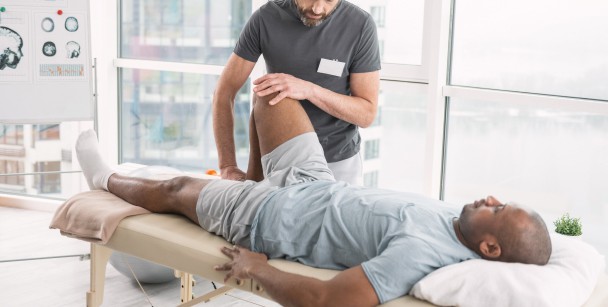
5 Tips to Reduce Fall Risk
Preventing another fall is just as important as treating the current injury. Here are five practical steps to lower your risk going forward.
1. Talk to Your Doctor
Be prepared to discuss:
- What medications you are currently taking (some affect balance and coordination)
- Whether you have fallen before
- Any underlying health condition that may have contributed to the fall
2. Strengthen Your Balance
Perform strength and balance exercises regularly. Activities like yoga, tai chi, and resistance training improve coordination, flexibility, and muscle strength, all of which reduce fall risk significantly.
3. Make Your Home Safer
Remove hazards from high-traffic areas:
- Secure loose rugs with double-sided tape
- Clean up spilled liquid or grease from floors immediately
- Use a non-slip bath mat or install a bath seat for the shower
- Install railing on both sides of all interior and exterior staircases
4. Get Your Eyes Checked
Poor vision is one of the leading contributors to falls. Have your eyes checked regularly to rule out any neurological issues or degenerative eye conditions that may be affecting your balance and depth perception.
5. Wear Proper Footwear
Wear supportive shoes whenever possible. If shoes cause discomfort, invest in non-slip socks with grip soles as an alternative. Avoid walking in socks or bare feet on slippery floors.
Frequently Ask Questions
Village Emergency Centers
For millions of Americans, fall prevention is the same as injury prevention. It’s important to exercise caution during dangerous activities like home maintenance tasks or navigating in inclement weather.
If you sustain a fall and are concerned the accident may have caused serious or permanent damage, do not wait.
At Village Emergency Centers, our board-certified physicians are available 24 hours a day, 7 days a week. We provide expert evaluation and treatment for fall-related injuries, including spinal injuries, fractures, and soft tissue damage, with fast on-site diagnostics.With locations in League City and Jersey Village, we are always close to home. Feel free to contact our team before your visit, or simply walk straight in. Visit Village EC today. We are always ready to help.