
Back pain can be a debilitating issue to deal with, and it can be made even worse by the seemingly inexplicable “heat” that accompanies some conditions. If you’ve ever experienced that burning pain in back, also called “Hot Back”, then you know exactly what we’re talking about.
The name “Hot Back” refers to sharp pains and a burning sensation caused by an irritation of the nerves in the lumbar spine. It is one of the more misunderstood forms of back pain because the heat and burning quality can lead sufferers to mistake it for a skin condition, inflammation, or even a muscle injury when the root cause is neurological.
In this article, we will examine the symptoms of Hot Back, as well as its causes and treatments, so you can better understand what your body is telling you and when it is time to seek professional care.

What Are the Symptoms of Hot Back?
Symptoms that are typically associated with this particular type of back pain include but are not limited to the following. It is worth noting that symptoms can vary significantly from person to person depending on the underlying cause and the specific nerves involved.
A Prickly, Stinging Sensation
This type of sensation can be more commonly described as “pins and needles.” You will feel a pins and needles type of sensation along your spine or across your back. This prickling feeling is a direct result of nerve irritation and often comes and goes depending on body position, movement, or activity level. Many patients report that the sensation worsens after sitting or standing in one position for extended periods.
Electrical Shock
Your pain may feel like an electric jolt passing through between your shoulder blades or along either side of the spinal column, causing a tightening of the muscles and sudden flashes of pain. These electrical sensations can be brief but intensely sharp, and they are often triggered by specific movements such as bending, twisting, or lifting. If these jolts are occurring frequently or increasing in intensity, they are a strong indicator that the underlying nerve irritation requires medical evaluation.
Itching, Tingling or Numbness
When dealing with Hot Back, in addition to other symptoms, you may experience itching across the agitated areas of your spine, as well as feelings of tingling or numbness. The itching is particularly confusing for patients because there is no visible skin irritation to explain it, the sensation originates entirely from the nerve pathways and is a form of referred discomfort. Numbness in the back or extremities can indicate that the affected nerve is being significantly compressed and warrants prompt attention.
Radiating Pain
Hot Back may cause pain to radiate through your neck, shoulders, arms, buttocks, and legs. Because this issue has to do with the irritation of the nerves, pain can be sent throughout the body despite being located at a single source. This radiating quality is what makes Hot Back particularly disruptive to daily life, a problem originating in the lumbar spine can cause significant discomfort in the legs or feet, making it difficult to walk, stand, or even rest comfortably. Radiating pain that travels down the leg is frequently associated with sciatica, one of the most common nerve-related back conditions.
Muscle Weakness
You may experience muscle pain and weakness, as well as pain while walking. Over time, the nerve irritation associated with Hot Back can impair the signals sent from the spinal cord to the surrounding muscles, reducing their strength and responsiveness. In severe cases, patients may even lose control of their bladder or bowels, a symptom that constitutes a medical emergency and requires immediate evaluation without delay.
Redness, Warmth, and Swelling
When dealing with this particular type of back pain, one might notice redness, warmth, or swelling along the spinal column or in the afflicted area. While these symptoms can sometimes be dismissed as a surface-level reaction, they often reflect deeper inflammation around the nerve roots or spinal structures. Persistent warmth and swelling that does not respond to rest or over-the-counter anti-inflammatories should be assessed by a physician.
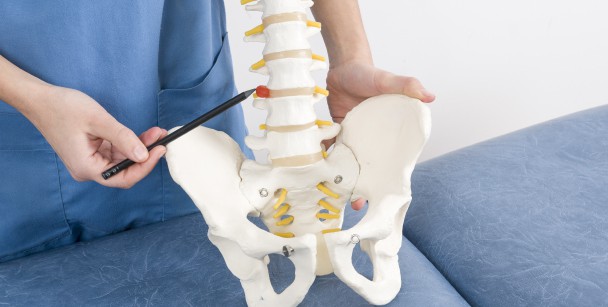
What Causes a Burning Sensation in Your Back?
There are many different types of back pain, and each of them is caused by a variety of different conditions or occurrences. While we are discussing burning pain in back, also known as Hot Back, some of the potential causes of this condition include the following.
Back Injury or Spinal Misalignment
After experiencing an injury, like a fall, a car accident, or a sports-related trauma, your spine can often become misaligned as a result. This trauma to the spine has the potential to negatively affect the nerve roots of the spinal cord, resulting in one or more of the burning and tingling symptoms listed above.
Even injuries that seem minor at the time can cause nerve disruption that manifests as Hot Back days or weeks later, which is why any significant impact to the back or spine should be professionally evaluated. Knowing when to go to the emergency room after a back injury can prevent a temporary problem from becoming a chronic one.
Herniated Disc or Pinched Nerve
A herniated or bulging disc occurs when the soft center of a spinal disc pushes its way through its outer casing, putting pressure on the nearby nerve roots and causing a pinched nerve. Pinched nerves can cause serious pain and mobility difficulties if they are not treated properly.
The burning pain associated with a herniated disc is often one of the most intense forms of Hot Back, as the nerve compression can be constant and difficult to relieve without targeted medical intervention. This condition is most common in the lower lumbar region but can occur anywhere along the spine.
Multiple Sclerosis
Multiple Sclerosis, also known as MS, is an illness in which a person’s immune system slowly destroys the protective covering of their nerves. There are nearly one million people living with MS in the United States. As these nerves become exposed, they become raw and vulnerable to irritation, which can lead to back pain issues like Hot Back.
MS-related back pain is often accompanied by other neurological symptoms including fatigue, vision changes, and coordination difficulties. If you are experiencing Hot Back symptoms alongside these broader neurological signs, it is important to seek a comprehensive medical evaluation as soon as possible.
Spinal Stenosis
Spinal Stenosis is a condition that involves a narrowing of the spinal canal. It is often the result of wear and tear on the back and is most commonly seen in patients of an older age. As the spinal canal narrows, pressure is applied to the nerves and can cause pain, tingling, and the characteristic burning sensation of Hot Back. Spinal Stenosis tends to worsen gradually over time, making early diagnosis and management critical to preserving mobility and quality of life.
Shingles
One less commonly discussed but important cause of burning back pain is shingles, a viral infection caused by the reactivation of the varicella-zoster virus, the same virus responsible for chickenpox. Shingles typically presents as a painful, burning rash that follows the path of a nerve, often wrapping around one side of the torso or back.
The burning sensation can precede the visible rash by several days, which means patients experiencing unexplained burning back pain alongside fever or skin sensitivity should consider shingles as a possible cause and seek prompt evaluation.
In simple summary, Hot Back can occur when a patient is suffering from an injury or condition that is putting pressure on the nerves of the spine. While this condition can be painful, there is good news, Hot Back is treatable with the help of a medical professional. With the proper treatment, you can experience a meaningful improvement in your symptoms and a significant decrease in pain.

How is Burning Pain in Back Treated?
Potential treatment options for Hot Back include several approaches depending on the severity and underlying cause of the condition.
Medication
To deal with Hot Back symptoms, you can use over-the-counter pain relievers and anti-inflammatories such as ibuprofen or naproxen. In more severe cases, your doctor can write you a prescription for stronger versions of these medications, or may recommend nerve-specific medications such as gabapentin to address the neurological component of the pain.
Taking medication consistently as directed can help manage symptoms and meaningfully reduce daily discomfort while more targeted treatments take effect.
Physical Therapy
Physical therapy and general exercise are among the most effective long-term options for relieving the symptoms of burning back pain. By strengthening the muscles of the back and core, pressure is taken off the nerve roots in your spine, reducing both the frequency and intensity of pain.
Working with a physical therapist gives you a structured, personalized plan for targeting the specific muscle groups that support your spine, and teaches you how to move safely to avoid re-aggravating the affected area.
Spinal Surgery
In cases where medication and physical therapy are not resulting in sufficient improvements, your doctor may suggest surgery as a viable option for addressing your condition. When performed by a board-certified neurosurgeon, spinal surgery has the potential to directly remove the source of pressure from the pinched or irritated nerve, providing lasting relief from the pain.
Surgical options vary depending on the underlying cause and may include disc removal, spinal fusion, or laminectomy to widen the spinal canal.
Bed Rest
Giving your back time to rest, and alternating between ice packs and heat, can help reduce inflammation and cut down on the pressure being experienced by your nerves. This is one of the most accessible and effective options back pain sufferers have for at-home care, particularly in the early stages when pain is acute.
However, extended bed rest beyond two to three days is generally not recommended, as prolonged inactivity can weaken the muscles that support the spine and worsen the condition over time.

How Do You Know When Back Pain is Serious?
If you are suffering from Hot Back, it is important to know when to seek medical attention. If you have been practicing at-home care, or following the orders of a physician, and your back pain does not improve or worsens, and you begin to experience severe pain, you should contact your doctor or seek medical attention as soon as possible.
Additionally, if you begin to experience high fever alongside your back pain, this combination can indicate a spinal infection or other serious systemic condition that demands immediate evaluation. Knowing when a fever requires an ER visit based on your symptoms is an important part of deciding how urgently to act.A loss of bladder or bowel control, or even temporary paralysis, are both red flag symptoms that indicate a potentially dangerous level of nerve compression.
These symptoms should never be monitored at home, they require emergency care immediately. If you are uncertain whether your symptoms are serious enough to warrant an ER visit, reviewing the warning signs of common infections can also help you identify whether a systemic issue is contributing to your back pain.
Get Help for the Burning Pain in Your Back at Village ER!
Getting real assistance for your back pain starts with consulting medical professionals who can accurately diagnose the cause and recommend the most effective treatment path. At Village Emergency Centers, our board-certified physicians are available 24 hours a day, 7 days a week to provide expert, immediate care with no wait times.
Whether you are located near our Jersey Village or League City location, our doors are always open. Feel free to reach out to our team before your visit or simply walk straight in, we are always ready to help you begin the process of returning to a life free of back pain.