Your stomach feels tight. The pressure keeps building. You are bloated, uncomfortable, and in pain, and you know it is your ulcerative colitis flaring up again. Bloating from ulcerative colitis is not just inconvenient. It is one of the most disruptive symptoms of inflammatory bowel disease. It affects your ability to eat, move, work, and sleep. Millions of Americans live with ulcerative colitis every day.
Many of them suffer through bloating episodes that could be managed far better with the right knowledge. This guide gives you proven, practical ways to relieve bloating fast. It also helps you understand what causes it, what foods trigger it, and, most importantly, when your symptoms cross the line into a medical emergency. Because sometimes bloating is not just bloating.
What Is Ulcerative Colitis and Why Does It Cause Bloating?
Ulcerative colitis (UC) is a chronic inflammatory bowel disease. It causes long-term inflammation and ulcers in the lining of the large intestine and rectum. The inflammation disrupts normal digestive function. Gas builds up. The intestinal walls become irritated and swollen. The result is persistent, often painful bloating.
Bloating is actually the number one reason people with digestive conditions visit the emergency room. It signals that something is happening inside the gut that the body cannot resolve on its own. Understanding why it happens is the first step toward managing it effectively.
What Causes Bloating in Ulcerative Colitis Patients
There are several specific reasons why UC patients experience bloating more severely than others.
Intestinal Inflammation
Active inflammation narrows the intestinal passage. Gas becomes trapped because it cannot move through the inflamed sections normally. Pressure builds rapidly and causes significant discomfort.
Disrupted Gut Bacteria
Ulcerative colitis changes the balance of bacteria in the gut. This imbalance causes abnormal fermentation of food. Excess gas is produced as a byproduct.
Food Sensitivities
UC patients are often more sensitive to certain foods. Foods that healthy people digest easily can cause major gas production in someone with active colitis.
Swallowed Air
Many people swallow more air than they realize during eating and drinking. In a healthy gut, this passes easily. In an inflamed gut, swallowed air becomes trapped and adds to bloating pressure.
Medication Side Effects
Some medications used to manage UC can slow digestion. Slower digestion means food stays in the intestine longer, fermenting and producing more gas.
Foods That Trigger Bloating in Ulcerative Colitis
Diet is the single most controllable factor in managing UC bloating. Certain foods are notoriously difficult to digest. They produce excess gas when broken down by gut bacteria.
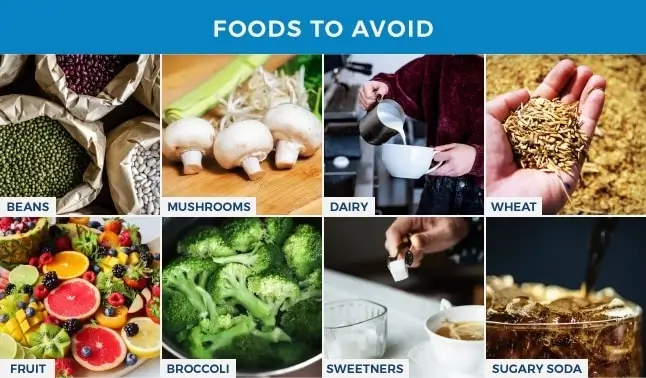
Foods to Avoid During a UC Flare-Up
These foods contain fiber, fructose, or compounds that ferment heavily in the gut:
Beans and legumes: High fiber content produces significant gas during digestion
Mushrooms: Contain complex sugars that are difficult to break down
Milk and dairy products: Lactose is hard for many UC patients to digest
Wheat and gluten products: Can irritate an already inflamed intestinal lining
Raw fruits: High fructose content accelerates gas production
Broccoli and cruciferous vegetables: Produce sulfur-based gas during digestion
Artificial sweeteners: Found in diet drinks and sugar-free products; cause significant bloating
Sugary sodas and carbonated drinks: Introduce carbon dioxide gas directly into the digestive tract
Why These Foods Cause More Gas in UC Patients
When these foods are broken down in the large intestine, gut bacteria ferment their undigested portions. This fermentation releases hydrogen, methane, and carbon dioxide gas. In a healthy colon, this gas moves through and exits relatively easily. In an inflamed UC colon, the gas becomes trapped. Pressure builds against already-sensitive intestinal walls. The result is pain, cramping, and visible abdominal distension.
Swallowing air adds to this problem. Common habits that trap air include:
Chewing gum
Eating hard candy
Drinking through straws
Drinking carbonated beverages including soda, champagne, and sparkling water
Eating too quickly
Eliminating these habits during a flare-up can reduce bloating noticeably within 24 hours.
Safe Foods for an Ulcerative Colitis Diet
Knowing what to eat is just as important as knowing what to avoid. These foods are gentle on an inflamed digestive system and are unlikely to trigger gas or bloating.
UC-Friendly Foods That Are Easy to Digest
Bananas: Soft, low-fiber, and easy on the gut
White rice: Low residue and gentle on the intestinal lining
White bread and plain crackers: Easier to digest than whole grain versions
Clear broth: Provides hydration and nutrients without irritating the gut
Plain peanut butter: A good protein source that most UC patients tolerate well
Skinless boiled or baked potatoes: Starchy, filling, and low in irritants
Plain boiled or baked chicken: A lean protein with no added seasonings or oils
Unsweetened applesauce: Provides carbohydrates without the fiber of whole fruit
Steamed fish: Easy to digest and anti-inflammatory
Well-cooked vegetables: Cooking breaks down fiber, making vegetables much easier to process
These foods form the foundation of a low-residue, anti-inflammatory diet. Many gastroenterologists recommend this approach during active UC flare-ups. Always consult your doctor before making major dietary changes, especially if you are on medication.
How to Relieve Ulcerative Colitis Bloating at Home
When bloating strikes, you want relief fast. These evidence-based strategies can ease your discomfort quickly and safely.
1. Apply Heat to Your Abdomen
Heat relaxes the muscles in your intestinal wall. It reduces the cramping sensation caused by trapped gas. Place a heating pad on your abdomen for 15 to 20 minutes. A warm bath works equally well. The heat decompresses the pressure building inside and allows gas to move more freely.
2. Try Gentle Exercise
Physical movement stimulates peristalsis, the wave-like muscle contractions that push gas through your digestive tract. You do not need intense exercise. A 20 to 30 minute walk is enough to get things moving. Regular daily walking also prevents bloating from accumulating in the first place. Building exercise into your routine is one of the most effective long-term strategies for managing UC symptoms. Learn more about common gym injuries to keep your exercise safe during recovery periods.
3. Rest in the Left-Side Fetal Position
This position is medically supported for gas relief. Lying on your left side with your knees drawn toward your chest follows the natural path of the large intestine. Gravity assists the movement of trapped gas. Many patients find significant relief within 10 to 15 minutes in this position.
4. Take an Enzyme-Based Digestive Supplement
Enzyme supplements help your body break down complex carbohydrates and sugars before they reach the large intestine. Less undigested material in the colon means less fermentation and less gas. Products containing alpha-galactosidase (the active ingredient in Beano) are particularly helpful for bean and vegetable-related bloating.
5. Consider Over-the-Counter Gas Relief Products
Simethicone-based products like Gas-X work by breaking up gas bubbles in the intestine, making them easier to pass. These are generally safe for UC patients. However, always check with your primary care physician before adding any new medication. Some OTC remedies contain ingredients that can irritate an already inflamed colon.
6. Stay Hydrated With the Right Fluids
Dehydration slows digestion and worsens bloating. Drink plenty of water throughout the day. Avoid carbonated beverages entirely during a flare. Herbal teas such as peppermint and ginger have mild anti-spasmodic properties that can ease intestinal cramping and gas.
7. Eat Smaller, More Frequent Meals
Large meals overwhelm a compromised digestive system. Eating smaller portions more frequently, five to six small meals instead of three large ones, reduces the volume of food your gut must process at once. This directly reduces gas production and bloating pressure.
Prevent Bloating With a Long-Term Dietary Strategy
Managing ulcerative colitis bloating is not just about reacting to flare-ups. It requires a consistent, intentional approach to diet and lifestyle.
Long-Term Prevention Strategies
Keep a food diary to identify your personal trigger foods
Introduce new foods one at a time so you can track reactions
Eat slowly and chew food thoroughly before swallowing
Avoid drinking through straws permanently
Limit high-FODMAP foods during active inflammation periods
Work with a registered dietitian who specializes in IBD
Take prescribed medication consistently, do not skip doses during remission
Schedule regular check-ups with your gastroenterologist
Bloating from ulcerative colitis is closely linked to overall gut health. Managing stress also plays a major role. Stress directly triggers UC flare-ups in many patients. Read our blog on can stress cause stomach issues to understand this connection in more depth.
When Bloating Becomes a Medical Emergency
This is the most important section of this entire guide. Most UC bloating is manageable at home. But some episodes signal a dangerous complication that requires immediate emergency care.
Go to the Emergency Room Immediately If You Experience:
Severe abdominal pain that does not improve or is getting worse
A rigid or board-like abdomen that is tender to touch
Bloating accompanied by high fever (above 101°F)
Blood in your stool or rectal bleeding
Inability to pass gas or have a bowel movement for an extended period
Nausea and vomiting that will not stop
Rapid heart rate or dizziness alongside abdominal symptoms
Sudden, dramatic worsening of symptoms that feels different from usual flares
These symptoms can indicate toxic megacolon, a life-threatening complication of ulcerative colitis where the colon becomes dangerously enlarged. They can also signal intestinal perforation or severe infection. Both are surgical emergencies.
Do not wait to see if it passes. Do not take more medication and hope for the best. Go to the ER.
Abdominal pain is one of the most common reasons for emergency room visits in the United States. Our abdominal pain emergency team is equipped with on-site imaging, laboratory testing, and experienced physicians to diagnose and treat severe UC complications immediately.You should also read about could your stomach ache be appendicitis, because appendicitis symptoms closely mimic severe UC flare-up pain and must be ruled out quickly.
Frequently Ask Questions
Inflammation in the digestive tract can slow digestion and trap excess gas, causing painful bloating, pressure, cramping, and abdominal discomfort during ulcerative colitis flare-ups.
Beans, dairy, broccoli, soda, wheat, sweeteners, and high-fiber foods can increase gas production and worsen bloating symptoms in people with ulcerative colitis.
Yes. Gentle exercise like walking helps move trapped gas through the digestive tract, reducing abdominal pressure and improving digestion without stressing the body.
Seek emergency care if bloating comes with severe pain, fever, vomiting, tenderness, or worsening symptoms because serious digestive complications may be developing.
Yes. Drinking through straws, chewing gum, carbonated drinks, and eating quickly can increase swallowed air and worsen gas buildup and bloating symptoms.
White rice, bananas, broth, applesauce, cooked vegetables, plain chicken, and skinless potatoes are gentler on digestion and may help reduce bloating discomfort.
Why Village Emergency Center Is Here for Your Digestive Emergencies
When ulcerative colitis bloating turns into a crisis, your community needs a facility that acts fast and treats you with dignity. Village Emergency Center is open 24 hours a day, every single day, no appointments, no long waits, and no compromises on care quality. Patients acrossLeague City Emergency Centre, Jersey Village TX, and Clear Creek EC trust us with their most urgent digestive emergencies because our board-certified physicians diagnose quickly and treat effectively. We have on-site CT imaging, laboratory services, and IV therapy available around the clock. If your bloating becomes severe, your pain escalates, or you see warning signs you cannot explain, do not wait. Check-in or walk in right now. We are always here.