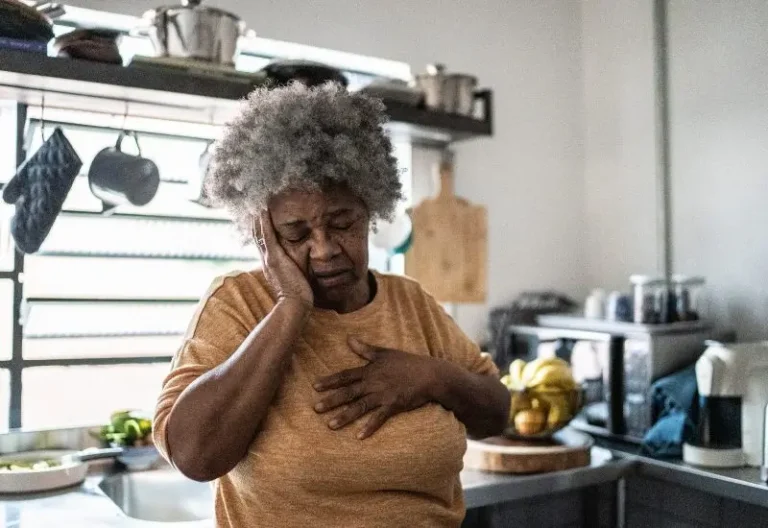

When you feel chest pain you probably panic and assume you are having a heart attack, but that is not always the case. Chest pain can happen for many reasons, though that does not mean you should rule out a heart attack just yet. Knowing the signs and symptoms helps you catch a serious problem before it becomes life threatening, and understanding the less obvious causes can also ease unnecessary worry when the pain turns out to be something more manageable.
Keep reading to learn about the possible causes behind chest pain and when it is time to head to the emergency room.
Signs and Symptoms of a heart attack
The first things to check for are the warning signs of a heart attack. Chest pain is the symptom most people expect, but a heart attack often shows up alongside several other signals as well.
Physical Warning Signs
A heart attack can cause several symptoms beyond chest pain. Seek immediate medical attention if you experience:
- Cold sweat: Sudden, unexplained sweating may be a sign that your body is responding to a serious cardiac event.
- Fainting or loss of consciousness: Passing out or feeling like you might faint can indicate that the heart is not pumping blood effectively.
- Nausea or vomiting: Digestive symptoms sometimes occur during a heart attack, particularly in women and older adults.
- Shortness of breath: Difficulty breathing may develop before, during, or after chest discomfort and can occur even without significant chest pain.
- Unusual fatigue: Severe or unexplained fatigue, especially if it comes on suddenly, can be an early warning sign of a heart attack.
- Atypical symptoms: Women are less likely to experience the classic crushing chest pain commonly associated with a heart attack. Recognizing the broader range of heart attack symptoms can help you seek treatment without delay.
Pain Patterns to Watch For
Numbness and pain occur because when your heart muscle is not getting enough oxygen, your brain sends out a distress signal in the form of pain. Common areas include the left arm leading up to the jaw, the center of the chest, the back, and the elbow. Extreme lightheadedness or dizziness can also occur since your heart is not pumping enough blood to your brain.
Other conditions related to chest pain
Chest pain does not always mean a heart attack. Several other conditions can cause similar symptoms, and knowing the differences can help you understand what your body might be dealing with.
Heart Valve Disease
The heart contains four valves that open and close to keep blood flowing in one direction and ensure proper circulation. When one or more valves stop working properly, heart valve disease can develop. Symptoms are extremely similar to a heart attack, and while it is not the same condition, complications from heart valve disease can be fatal, so it still warrants immediate examination rather than a wait and see approach.
Angina
Angina is the restriction of blood flow to the heart that produces chest pain. People who experience angina face a higher chance of having a heart attack down the road, which makes it worth tracking how often episodes occur and what triggers them. Chest pain becomes especially worrisome when it shows up alongside the other heart attack symptoms described above, since multiple symptoms occurring together is often a sign that your body is in crisis.
Pneumonia
Viral infections associated with pneumonia can cause the lungs to become infected and swollen, which leads to chest pain. If your chest pain stems from pneumonia, you are also likely to experience chills, fever, cough, and a sore throat. These symptoms are easy to confuse with the flu rather than a heart attack, so getting tested for the flu, strep, and other infections can help you figure out whether pneumonia is behind your symptoms rather than something cardiac.

Acid Reflux
It is very common to confuse acid reflux with a heart attack because of the sharp chest pain both conditions cause. With acid reflux, stomach acid rises up into the esophagus, causing an intense pain in your chest that can last a while given how strong the acid is. In some cases, reflux causing shortness of breath adds another layer of confusion, since that combination of symptoms can feel just as alarming as a cardiac event.
Ulcers
Similar to acid reflux, ulcers can cause chest pain tied to stomach acid. In this case, the acid erodes your esophagus, causing pain that stretches from your navel up to your chest. Symptoms tend to be more closely related to the digestive system, including indigestion, nausea, vomiting, a change in appetite, weight loss, and dark or bloody stool, all of which point away from a cardiac cause and toward something happening in your gut.
Panic Attacks
During a panic attack, the muscles in your chest wall contract, and you may experience many symptoms that overlap with a heart attack. The key difference is timing. Chest pain from a heart attack tends to start small and escalate over time, while panic attack pain is sharp and intense from the very start. Pain from a heart attack often travels throughout the body, while panic attack pain tends to stay in one specific area. Recognizing this pattern can help you stay calmer during an episode, though any new or severe chest pain still deserves a medical evaluation to be safe.
Overexertion
Heavy lifting or weight lifting can cause chest discomfort simply from placing an overwhelming amount of strain on your body. Practicing safe lifting techniques when handling heavy objects goes a long way toward avoiding this type of injury in the first place.
Less Common Causes Worth Knowing About
Beyond the conditions above, a few other causes of chest pain are worth understanding, even though they show up less often than a heart attack or acid reflux.
Costochondritis
Costochondritis is inflammation of the cartilage connecting your ribs to your breastbone, and it can cause sharp pain that worsens with movement or deep breathing. This condition is often mistaken for a heart attack because of how sharp and localized the pain can feel. Pressing on the affected area typically reproduces the pain, which is one way doctors distinguish it from a cardiac event.
Blood Clots in the Lungs
A blood clot that travels to the lungs, known as a pulmonary embolism, can cause sudden sharp chest pain along with shortness of breath. This condition is a true emergency and can be fatal without prompt treatment. Symptoms often come on suddenly rather than building gradually, which is one clue that helps separate it from less urgent causes of chest discomfort.
When to Go to the Emergency Room for Chest Pain
Chest pain should never be ignored, especially when it occurs with other concerning symptoms. Seek emergency medical care immediately if you experience:
- Chest pain with other symptoms: Chest pain accompanied by shortness of breath, nausea, sweating, dizziness, or pain spreading to the arm, jaw, neck, or back may be a sign of a heart attack.
- Severe or persistent chest pain: If the pain is intense, lasts more than a few minutes, or keeps returning, call 911 immediately rather than driving yourself.
- Symptoms that feel like an emergency: If something feels seriously wrong, trust your instincts and seek emergency medical attention without delay.
- Atypical heart attack symptoms: Women, older adults, and people with diabetes may experience heart attacks without classic chest pain. Symptoms such as unusual fatigue, nausea, shortness of breath, or discomfort in the jaw, neck, back, or upper abdomen also warrant immediate evaluation.
When it comes to chest pain, prompt treatment can be lifesaving. Calling 911 allows emergency medical personnel to begin care on the way to the hospital and can help reduce delays if a heart attack or another serious condition is occurring.
Visit Village Emergency Centers for Chest Pain
Stop by any of our three locations if you are experiencing chest pain. Our Clear Creek emergency room is ready to assist you at a moment’s notice, along with our other locations across the area, so help is never far away when symptoms strike.
Village Emergency Center strives to provide you and your loved ones with quality emergency care around the clock. Our emergency centers are open 24 hours a day, 7 days a week, and accept walk-ins because we know emergencies are never events you can plan around.