It is easy to brush off back pain as just another ache from a long day, poor posture or an uncomfortable bed. But what if the pain does not go away? What if it comes with fever, chills or other symptoms that feel more serious than ordinary soreness?
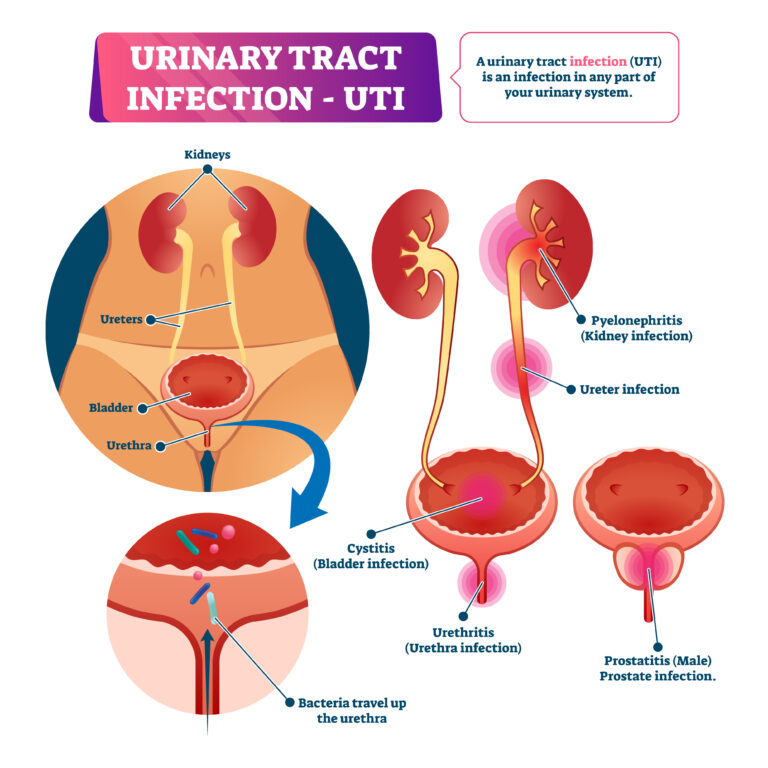
You could be dealing with a kidney infection, also known as pyelonephritis. This is a serious illness caused by E. coli bacteria entering the urethra, the tube that carries urine out of the body. Many people mistake the early symptoms for a pulled muscle or a passing stomach bug, which can delay treatment when it matters most.
Knowing the difference between routine discomfort and a real warning sign can help you act quickly. The symptoms covered in this guide are the ones doctors most often see in patients who turn out to have a kidney infection.

How a Kidney Infection Develops
Once bacteria enter the urethra, they can travel upward into the bladder and eventually reach one or both kidneys. This upward path is what turns a minor issue into a much more serious infection.
Unlike cystitis, a common but less severe bladder infection, a kidney infection carries a much greater risk. Left untreated, it can cause permanent kidney damage, which is why recognizing the early warning signs matters so much.
How This Differs From a Bladder Infection
Cystitis usually stays contained in the bladder and tends to respond quickly to antibiotics. A kidney infection, on the other hand, involves deeper tissue and often comes with more intense, whole-body symptoms.
Because kidney infections often begin as UTIs, understanding UTI symptoms and treatment can help you recognize when prompt medical care is needed.
Red Flags to Watch For
If you are concerned that you might have a kidney infection, catching the signs early is important. Symptoms often show up quickly, sometimes within a matter of hours or days.
Core Warning Signs
Common symptoms of a kidney infection may include:
- Pain or discomfort: Pain in the side, lower back, abdomen, or pelvic area is one of the most common early warning signs.
- High fever: A persistent fever, especially one that does not improve with over-the-counter fever reducers, may indicate a more serious infection.
- Chills or shivering: Many people experience shaking chills as the body responds to the infection.
- Fatigue or weakness: Feeling unusually tired or lacking energy is common as the infection progresses.
- Loss of appetite: A sudden decrease in appetite may accompany other symptoms.
- Nausea, vomiting, or diarrhea: Digestive symptoms can develop, particularly if the infection becomes more severe.
Additional Symptoms From Related Infections
If you are also dealing with cystitis or urethritis, two related types of urinary tract infections, extra symptoms can appear alongside the ones above. A painful or burning sensation during urination is common, along with a frequent or urgent need to urinate.
Some people feel like they cannot fully empty their bladder no matter how long they sit on the toilet. Blood in the urine or urine that looks cloudy and smells unusually strong, are also signs worth taking seriously.
When Should You Seek Medical Attention?
Recognizing these symptoms early gives you the best chance at prompt, effective treatment. If you experience abdominal or back pain along with fever or any change in your urination patterns, it is time to consult a healthcare professional as soon as possible.
Watching for Symptoms in Children
Children require extra attention when it comes to kidney infections, since they may not be able to describe their symptoms clearly. Watch for a lack of energy, unusual irritability, poor feeding habits or ongoing abdominal pain in younger kids.
These signs can be easy to mistake for a stomach bug or general fussiness. If a fever accompanies any of these behaviors, it is worth having a doctor take a closer look right away.
Ongoing urinary symptoms can sometimes point to a chronic pattern rather than a one-time infection. Our guide on how to prevent chronic UTIs covers daily habits that can lower your risk of repeat infections over time.urine or urine that looks cloudy and smells unusually strong, are also signs worth taking seriously.
Who is Most at Risk for Kidney Infections?
Kidney infections are relatively uncommon overall, but they tend to affect certain groups more than others. Understanding your personal risk can help you stay alert to early symptoms.
Why Women Face Higher Risk
Women are about six times more likely to experience a kidney infection than men. This comes down to anatomy, since a woman’s urethra is shorter and sits closer to the anus, making it easier for bacteria to travel into the urinary tract.
This same anatomical difference is also why women experience regular UTIs more often in general. Anyone with a history of frequent bladder infections should stay especially alert to symptoms that seem more severe than usual.
Other Risk Factors to Know
Certain health conditions and anatomical differences can increase the risk of developing a kidney infection:
Poor urine flow: Any condition that causes urine to remain in the urinary tract longer than normal can create an environment where bacteria are more likely to grow.
Congenital urinary tract abnormalities: Some children are born with structural differences in the urinary tract that make it easier for bacteria to travel to the kidneys.
Urinary tract blockages: Conditions such as kidney stones or other obstructions can prevent urine from draining properly, allowing bacteria to multiply and increasing the risk of infection.
How Kidney Infections Are Diagnosed and Treated
Doctors typically start with a urinalysis, a simple test that checks a urine sample for bacteria, blood and white blood cells. This quick test can often confirm an infection within minutes and helps guide the next steps in treatment. Some clinics also send a sample for a urine culture, which identifies the exact bacteria causing the infection and confirms which antibiotic will work best.
In some cases, a blood test or imaging such as an ultrasound may be needed to check for complications or rule out a kidney stone blocking the urinary tract. This is especially true if symptoms are severe or have not improved after starting treatment. Imaging can also help doctors see whether the infection has caused any swelling or abscess formation within the kidney itself.
Why Prompt Antibiotic Treatment Matters
Kidney infections are almost always treated with antibiotics and starting them early gives the body the best chance to recover without lasting damage. Most people begin feeling better within a few days, though it is important to finish the entire course even after symptoms improve.
Stopping antibiotics too early can allow surviving bacteria to bounce back, sometimes in a stronger form that is harder to treat. In more severe cases, especially when vomiting prevents oral medication from staying down, hospitalization for IV antibiotics may be necessary.
Are Kidney Infections Preventable?
While kidney infections cannot always be prevented, healthy daily habits can help lower your risk:
- Stay well hydrated: Drinking plenty of water throughout the day helps flush bacteria from the urinary tract before an infection can develop.
- Practice good hygiene: Maintaining proper genital hygiene can reduce the spread of bacteria that may enter the urinary tract.
- Treat constipation promptly: Constipation can put pressure on the bladder, making it harder to empty completely and giving bacteria more time to grow.
- Support healthy bladder habits: Avoid holding urine for long periods, and empty your bladder regularly to help reduce bacterial buildup.
Where to Go for Help
If you suspect a kidney infection, do not wait to seek medical attention. Village Emergency Center is here for you with fast admissions and discharges, rapid lab results and 24/7 emergency care from board-certified doctors.
If your main symptoms are limited to burning or urgency without fever or back pain, it may still be an early UTI rather than a kidney infection. Our article on symptoms of a UTI walks through how to tell the difference between the two.
Visit Us in Jersey Village for Fast, Expert Care
With convenient locations across the Greater Houston Area, including Jersey Village and League City, Village Emergency Center is proud to serve families throughout the region. All of our locations accept private insurance, making it easier to get the care you need without added stress.
If you are concerned about a kidney infection or any other urgent health issue, your next step is simple. Walk in to your nearest Village Emergency Center location as soon as possible for fast, expert care from a team you can trust.