
Pelvic Pain Is Your Body Sending a Signal, The Question Is How Urgent That Signal Is
It started as a dull ache. Now it is sharp, persistent, and spreading. Pelvic pain is one of the most common, and most confusing, symptoms that brings people to seek medical care. It can be a minor, temporary discomfort that resolves on its own. Or it can be the first sign of a serious, rapidly developing emergency.
The pelvis houses some of the body’s most critical organ systems, reproductive, urinary, digestive, and musculoskeletal, all packed into a relatively small space. When something goes wrong in any one of these systems, the pain often feels similar. That ambiguity is exactly what makes pelvic pain difficult to assess alone.
This guide gives you a clear framework for understanding your pelvic pain, its potential causes, when home management is appropriate, when urgent care is the right call, and when you need to go straight to the emergency room without delay.

Where Is the Pelvis and Why Does It Produce So Much Pain?
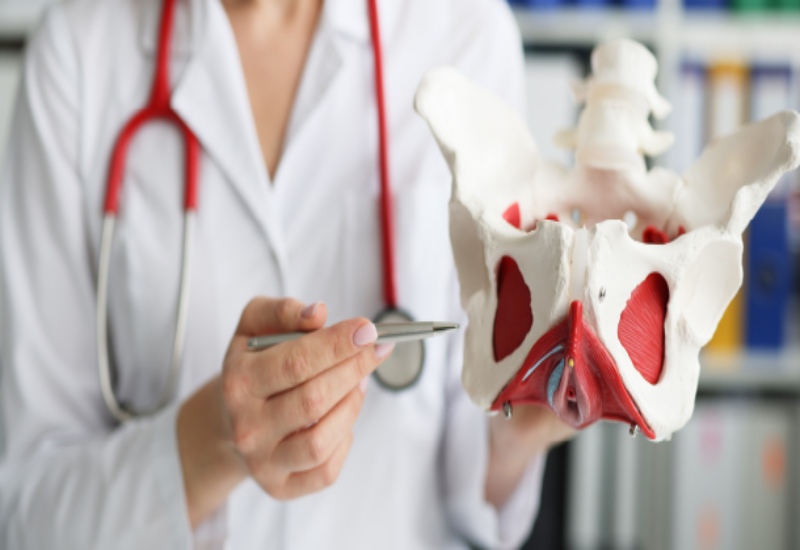
The pelvis is the bony basin-shaped structure at the lowest part of your abdomen. It sits between the hip bones, connects the spine to the lower extremities, and contains and protects multiple vital organ systems simultaneously.
Because so many different organ systems share this confined space, pain originating from any one of them can feel similar, dull, achy, cramping, or sharp in the lower abdomen, lower back, buttocks, or inner thighs. This overlapping geography is precisely why pelvic pain is notoriously difficult to self-diagnose and why professional evaluation is so important when pain is significant, persistent, or unusual.
Organ Systems That Can Cause Pelvic Pain
- Reproductive system: Uterus, ovaries, fallopian tubes, cervix in women; prostate in men
- Urinary system: Bladder, ureters, urethra, kidneys
- Digestive system: Colon, rectum, small intestine, appendix
- Musculoskeletal system: Pelvic floor muscles, hip joints, pelvic ligaments, sacroiliac joints
- Neurological system: Pelvic nerves including the pudendal nerve
- Vascular system: Pelvic blood vessels that can develop clots or structural problems
Acute vs. Chronic Pelvic Pain: Understanding the Difference
The first distinction that guides your care decision is whether your pelvic pain is acute or chronic.
Acute Pelvic Pain
Acute pelvic pain begins suddenly and is typically severe. It develops over minutes to hours. Acute pain demands urgent attention because it often signals a rapidly developing condition, a ruptured organ, a twisted ovary, a life-threatening infection, or a vascular emergency.
Examples of conditions causing acute pelvic pain include:
- Ruptured ovarian cyst
- Ovarian torsion
- Ectopic pregnancy rupture
- Appendicitis
- Kidney stone passage
- Acute pelvic inflammatory disease (PID)
Sudden, severe pelvic pain is never something to watch and wait on. It requires same-day evaluation, and in many cases, immediate emergency room care.
Chronic Pelvic Pain
Chronic pelvic pain is defined as pain in the pelvic region that persists for six months or longer, either continuously or intermittently. It is estimated to affect 15 to 20% of women of reproductive age and a significant percentage of men as well.
Chronic pelvic pain may be:
- A constant dull ache that never fully resolves
- Intermittent pain that flares with specific triggers, certain foods, physical activity, menstruation, sexual intercourse, or bowel movements
- A combination of both patterns
Chronic pelvic pain significantly affects quality of life, mental health, and daily functioning. It deserves comprehensive medical evaluation even when it does not feel like an emergency, because untreated underlying causes tend to worsen over time.
Common Causes of Pelvic Pain in Women
Women experience a wider range of pelvic pain causes than men due to the complexity of the female reproductive system and its hormonal cyclical activity.
Reproductive Causes
- Menstrual Cramps (Primary Dysmenorrhea): The most common cause of cyclic pelvic pain in women. Caused by prostaglandin-driven uterine contractions during menstruation. Typically begins one to two days before the period and lasts for the first one to two days. Severe, debilitating menstrual pain that prevents normal activity is not normal and warrants evaluation. Read our in-depth guide on are severe menstrual cramps normal to understand when period pain crosses the line.
- Endometriosis: Tissue similar to the uterine lining grows outside the uterus, on the ovaries, fallopian tubes, bladder, or bowel. It produces chronic, cyclical, often worsening pelvic pain. Endometriosis is one of the most commonly missed diagnoses in women’s health, with an average diagnosis delay of seven to ten years. Pain with intercourse, pain with bowel movements during menstruation, and infertility are classic associated features.
- Ovarian Cysts: Fluid-filled sacs on the ovary. Most are functional and harmless. Large or ruptured cysts cause acute, severe one-sided pelvic pain. A twisting ovary (torsion) caused by a large cyst is a surgical emergency. Learn more in our guide on can birth control cause ovarian cysts.
- Uterine Fibroids: Non-cancerous growths in the uterine muscle. They cause heavy menstrual bleeding, pelvic pressure, lower back pain, and a sensation of pelvic fullness. Large fibroids can distort the uterine cavity and produce significant ongoing pelvic pain.
- Adenomyosis: The uterine lining grows into the muscular wall of the uterus itself. The uterus becomes enlarged and tender. Severe menstrual cramping and heavy bleeding are hallmarks.
- Pelvic Inflammatory Disease (PID): Infection of the uterus, fallopian tubes, and surrounding pelvic structures, usually caused by untreated sexually transmitted infections. PID causes lower abdominal pain, fever, abnormal discharge, and painful intercourse. Left untreated, it causes scarring of the fallopian tubes, a leading cause of infertility and ectopic pregnancy risk.
- Ectopic Pregnancy: A fertilized egg implants outside the uterus, most commonly in the fallopian tube. As the embryo grows, the tube stretches and eventually ruptures. A ruptured ectopic pregnancy causes catastrophic internal bleeding and is immediately life-threatening. Sudden, severe one-sided pelvic pain in any woman of reproductive age, particularly with a missed period or positive pregnancy test, is an ectopic pregnancy until proven otherwise. Call 911 immediately if you suspect this.
- Miscarriage: Pregnancy loss before 20 weeks. Produces significant uterine cramping and vaginal bleeding. Early pregnancy loss can cause severe pelvic pain that requires emergency evaluation to confirm the pregnancy has passed completely and to rule out retained tissue that could cause infection.
- Ovulation Pain (Mittelschmerz): Some women experience sharp, one-sided pelvic pain at mid-cycle during ovulation. It typically lasts minutes to hours and is harmless, but can be confused with more serious conditions.
- Uterine or Cervical Cancer: Pelvic pain, abnormal bleeding, and pelvic pressure in later stages. Always investigate persistent pelvic symptoms that are new or worsening, particularly in post-menopausal women.
- Pelvic Adhesions: Scar tissue from prior surgery, infection, or endometriosis can bind pelvic organs together. Adhesions cause chronic pulling, aching pelvic pain that worsens with movement.
Common Causes of Pelvic Pain in Both Men and Women
Many pelvic pain causes affect people of all sexes equally.
Digestive Causes
- Appendicitis: Inflammation of the appendix produces classic right lower quadrant pain that begins near the navel and migrates downward. It escalates rapidly and requires emergency surgery. Read our detailed guide on abdominal pain, is it appendicitis to understand this critical distinction.
- Irritable Bowel Syndrome (IBS): IBS causes cramping, bloating, diarrhea, and constipation. Pelvic pain from IBS is typically associated with bowel movements and often improves after passing stool. It is chronic and cyclical.
- Inflammatory Bowel Disease (IBD): Crohn’s disease and ulcerative colitis cause chronic intestinal inflammation that produces significant abdominal and pelvic pain, urgency, and bloody stools during flares.
- Constipation: Severe constipation causes pelvic pressure, cramping, and lower abdominal pain. It is one of the most common, and most overlooked, causes of acute pelvic discomfort.
- Hernia: An inguinal or femoral hernia can cause groin and lower pelvic pain, particularly with lifting, bending, or straining. A strangulated hernia, where trapped tissue loses its blood supply, is a surgical emergency.
Urinary Causes
- Urinary Tract Infection (UTI): Lower pelvic pressure, burning urination, and frequent urination characterize a bladder UTI. Untreated UTIs can ascend to the kidneys, causing kidney infection (pyelonephritis) with fever, back pain, and systemic illness. Read our guide on should I go to the ER for a UTI to understand when a UTI requires emergency care.
- Kidney Stones: Kidney stones moving through the ureter produce severe, wave-like flank and pelvic pain, often described as the worst pain imaginable. The pain radiates from the back or flank toward the groin and genitals. Nausea and vomiting frequently accompany the pain.
- Kidney Infection (Pyelonephritis): When a bladder infection ascends to the kidneys, it produces fever, chills, back pain, and significant pelvic and flank pain. This requires immediate medical treatment with antibiotics, and in severe cases, hospitalization.
- Bladder Disorders: Interstitial cystitis, a chronic bladder condition, causes persistent pelvic pressure, bladder pain, and urinary urgency without bacterial infection.
Musculoskeletal Causes
- Pelvic Floor Dysfunction: The muscles of the pelvic floor can become hypertonic, overly tight, or hypotonic, too weak, producing chronic pelvic pain, pain with intercourse, and bowel and bladder symptoms. Physical therapy with a pelvic floor specialist is often highly effective.
- Fibromyalgia: A chronic pain condition involving widespread musculoskeletal pain, including pelvic pain, often accompanied by fatigue, sleep disturbance, and cognitive symptoms.
- Broken Pelvis or Hip Fracture: Significant trauma to the pelvis causes acute, severe pelvic pain with inability to bear weight. This requires immediate emergency evaluation and imaging.
Other Causes
- Sexually Transmitted Infections (STIs): Gonorrhea, chlamydia, and other STIs can infect pelvic structures and cause pelvic pain, discharge, and fever. Prompt diagnosis and treatment prevent long-term reproductive damage.
- Nerve Conditions: Pudendal neuralgia and other pelvic nerve conditions produce burning, shooting, or aching pelvic pain that worsens with sitting and improves with standing. These are often underdiagnosed causes of chronic pelvic pain in both sexes.
- Acute Myocardial Infarction (Heart Attack): Lower abdominal and pelvic pain can, rarely but importantly, be a referred symptom of a heart attack, particularly in women. This atypical presentation of cardiac events is well documented and represents one reason pelvic pain should never be dismissed without evaluation. Our chest pain emergency team evaluates all chest and referred pain presentations immediately.
Should I Go to Urgent Care or the ER for Pelvic Pain?
This is the central question. Making the right care decision depends entirely on the nature, severity, and accompanying symptoms of your pelvic pain.
Go to the Emergency Room Immediately If You Have:
- Sudden, severe pelvic pain that came on rapidly, particularly if it is the worst pelvic pain you have ever experienced
- One-sided sharp pelvic pain with dizziness, shoulder pain, or fainting, possible ectopic pregnancy rupture or ovarian torsion
- Pelvic pain with heavy vaginal bleeding, particularly in a known or suspected pregnancy
- Pelvic pain with high fever above 101°F, suggests serious infection such as PID or sepsis
- Pelvic pain with inability to urinate or severe difficulty urinating
- Pelvic pain following significant trauma, fall, car accident, direct blow
- Pelvic pain with rigid, board-like abdomen, suggests peritonitis from a perforated organ
- Pelvic pain with vomiting that will not stop
- Pelvic pain with rapid heart rate, low blood pressure, or signs of shock
- Pelvic pain with difficulty breathing
- Pelvic pain in a pregnant woman at any stage
- Pelvic pain with visible abnormal mass or bulge in the groin
Our abdominal pain emergency team and women’s health emergency physicians are equipped to evaluate all acute pelvic emergencies with on-site imaging and laboratory testing around the clock.
Go to Urgent Care or Call Your Doctor If You Have:
- Mild to moderate pelvic pain without fever or alarming symptoms
- Pelvic pain consistent with your known conditions, IBS flare, typical menstrual pain
- Urinary symptoms without fever or severe pain, possible UTI
- Pelvic pain that has been present for several days but is stable and not worsening
- Mild pelvic pressure with bloating or constipation
Manage at Home and Monitor If You Have:
- Mild menstrual cramps consistent with your normal pattern
- Mild bloating after eating dairy or high-fiber foods
- Brief, mild mid-cycle pain consistent with your normal ovulation pattern
- Pelvic discomfort that responds well to over-the-counter pain relievers and resolves within 24 hours
How Is Pelvic Pain Diagnosed?
When you seek medical care for pelvic pain, the diagnostic process is systematic and thorough.
Medical History
The physician will ask detailed questions about your pain:
- Exact location and radiation pattern
- Onset, sudden or gradual
- Duration, how long it has been present
- Character, sharp, dull, cramping, burning, pressure-like
- Severity on a scale of 1 to 10
- Triggers, what makes it better or worse
- Associated symptoms, fever, bleeding, urinary changes, bowel changes, nausea
- Menstrual history and pregnancy status in women
- Sexual history and STI risk assessment
- Family history of reproductive or digestive conditions
The specific characteristics of your pain provide essential diagnostic clues. Sudden onset pain points toward acute emergencies. Gradual onset suggests growing infection or inflammatory conditions. Cyclic pain related to the menstrual cycle suggests reproductive causes. Pain related to bowel movements suggests digestive causes.
Physical Examination
A thorough physical examination includes abdominal palpation to assess tenderness, rigidity, and masses. In women, a pelvic examination assesses the uterus, ovaries, and cervix. In men, a rectal and scrotal examination may be performed.
Diagnostic Tests
Blood Tests
Complete blood count assesses for infection. Pregnancy test in women of reproductive age is always performed when pelvic pain is present. STI testing may be ordered. Metabolic panel evaluates kidney and liver function.
Urine Tests
Urinalysis and urine culture identify UTI and kidney infection. Urine pregnancy test provides rapid results.
Imaging
Ultrasound is the first-line imaging study for pelvic pain, particularly in women. It visualizes the ovaries, uterus, and bladder clearly and without radiation. Our on-site ultrasound services provide immediate results. CT scanning provides more detailed views of the entire abdomen and pelvis, particularly useful for appendicitis, kidney stones, and bowel conditions. MRI provides exceptional soft tissue detail and is used for complex cases involving endometriosis, adenomyosis, or pelvic masses.
Laparoscopy
Minimally invasive surgical visualization of the pelvic organs. Used when imaging does not definitively identify the cause. Allows both diagnosis and treatment, endometrial tissue, adhesions, and cysts can be treated surgically during the same procedure.

Treatment Options for Pelvic Pain
Treatment depends entirely on the underlying cause. There is no single treatment for pelvic pain, because pelvic pain is a symptom, not a diagnosis.
Over-the-Counter Management
For mild, identified pelvic pain:
- NSAIDs (ibuprofen, naproxen): Most effective for reproductive and musculoskeletal causes. Reduce prostaglandin production and inflammation directly
- Acetaminophen: Effective for pain relief without anti-inflammatory properties
- Antispasmodics: For IBS-related pelvic cramping
- Heat therapy: A heating pad applied to the lower abdomen relaxes pelvic muscle spasm and reduces cramping
Lifestyle and Holistic Approaches
- Dietary modification for IBS, lactose intolerance, and constipation-related pelvic pain
- Pelvic floor physical therapy for musculoskeletal and nerve-related pain
- Yoga and mindfulness-based stress reduction, proven to reduce chronic pelvic pain severity
- Adequate hydration to reduce UTI risk and support urinary tract health
Medical and Surgical Treatment
- Hormonal therapy: Birth control pills, hormonal IUDs, or GnRH agonists for endometriosis, fibroids, and adenomyosis
- Antibiotics: For PID, UTI, kidney infection, and STI-related pelvic pain
- Laparoscopic surgery: For endometriosis, ovarian cysts, and pelvic adhesions
- Myomectomy: Surgical removal of uterine fibroids
- Physical therapy: Specialist-directed pelvic floor rehabilitation
- Pain management: Our pain management team manages acute and chronic pelvic pain using evidence-based approaches tailored to your specific diagnosis

Why Village Emergency Center Is Ready for Your Pelvic Emergency
Pelvic pain that is sudden, severe, or accompanied by alarming symptoms cannot wait, and it should not. Village Emergency Center is open 24 hours a day, every single day of the year, no appointments, no long waits, and no uncertainty about whether your pain deserves professional evaluation. Patients across League City, Jersey Village, and Clear Creek trust our board-certified emergency physicians to take pelvic pain seriously, with on-site ultrasound, CT imaging, laboratory testing, and women’s health expertise available around the clock. Your pain matters. Your answers cannot wait. Schedule your visit or walk in right now, we are always here when you need us.
Frequently Ask Questions