
Random eye twitching is a condition that most people experience at some point in their life.
That fluttering sensation in your eyelid can feel alarming, especially when it lingers. But is it truly something to worry about?
While eye twitching is generally a harmless symptom that results from daily stressors, there are some rare instances where it can indicate a more serious condition. In rare cases, it can be linked to seizures or even a stroke.So when is eye twitching a sign of a stroke, and how do you know when to go to the doctor? Keep reading for everything you need to know.
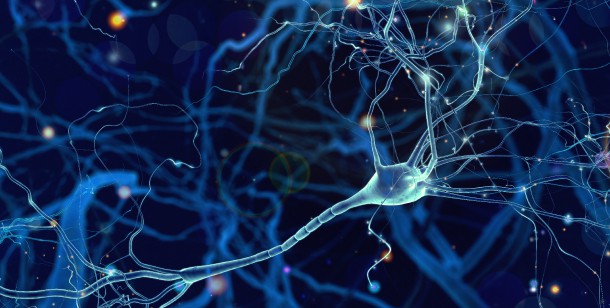
What is a Stroke?
A stroke occurs when the blood supply to one side of your brain is interrupted or reduced. This prevents brain tissue from getting the oxygen and nutrients it needs to survive.
The effects are swift. Brain cells begin to die within minutes of the blood supply being cut off.
Depending on which area of the brain is affected, a stroke can impact movement, speech, vision, balance, and facial control. This is why symptoms can vary so widely from person to person.
There are two main types of stroke:
- Ischemic stroke, caused by a blood clot blocking an artery to the brain. This is the most common type.
- Hemorrhagic stroke, caused by a ruptured blood vessel bleeding into or around the brain.
There is also a TIA (Transient Ischemic Attack), often called a mini-stroke. A TIA produces stroke-like symptoms that resolve within minutes to hours. It is a serious warning sign that a full stroke may follow.Eye twitching alone is rarely a sign of stroke. But if it occurs alongside other neurological symptoms, it demands immediate attention. Learn more about recognizing neurological emergency signs so you can act fast when it matters most.

Stroke Signs and Symptoms
A stroke is a medical emergency. Knowing the signs early can save a life, or prevent permanent disability.
A stroke may show warning signs as early as seven days before an attack. To help remember and recognize these symptoms, use the BE FAST acronym:
Balance
Loss of balance is a common early sign of a stroke.
Sudden vertigo, severe headaches, poor coordination, or unexplained stumbling should never be dismissed. This is one of the earliest signs, and one of the most frequently ignored.
Many people chalk this up to being tired or standing up too quickly. Do not ignore it if it comes on suddenly and without explanation.
Eyes
Double vision, blurred vision, abnormal blinking, or a sudden loss of sight in one or both eyes can all be stroke-related symptoms.
Because many stroke sufferers are middle-aged or older, this symptom is often misdiagnosed. It can be mistaken for cataracts, glaucoma, or macular degeneration. If vision changes come on suddenly, treat them as a red flag.
Face
One of the most identifiable signs of a stroke is drooping or numbness on one side of the face.
Even an uneven or lopsided smile can indicate a stroke. If you suspect someone is having a stroke, ask them to smile. If one side of the face droops or does not move, call 911 immediately.
Hemifacial spasm, involuntary twitching of muscles on one side of the face, is one of the rare ways a stroke can cause eye twitching. This type of twitching is different from common eyelid spasms and may spread across the cheek, jaw, or neck on one side.
Arm
Many people having a stroke experience sudden weakness or numbness in one arm or one leg.
Ask them to raise both arms at the same time. If one arm drifts downward or cannot be raised, that is a strong indicator of a stroke occurring. Do not wait, call 911.
Speech
Slurred speech or sudden difficulty speaking is a serious sign of stroke progression.
This usually indicates the stroke has reached or is approaching a full attack. Immediate emergency care is necessary. Do not attempt to drive them yourself, call 911 so they can receive treatment en route.
Time
As with all medical emergencies, time is everything when it comes to stroke.
Every minute of delayed treatment means more brain cells lost. If you notice any of these symptoms, in yourself or someone else, call 911 immediately. Do not wait to see if they improve.
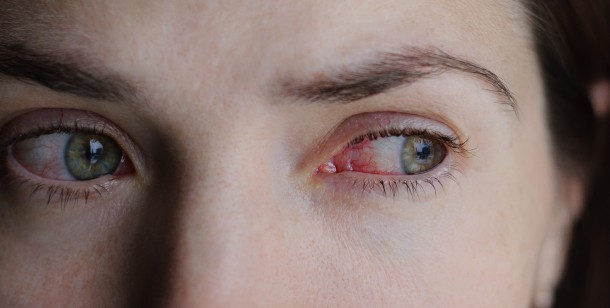
Causes of an Eyelid Twitch
If you are experiencing an eye twitch but have no other symptoms, it is highly likely there is no cause for concern.
Eye twitching, medically known as myokymia or blepharospasm, is an involuntary spasm of the eyelid muscles. It is extremely common and almost always benign.
Eye twitching can be a side effect of many minor causes that impact the facial nerve, including:
- Stress
- Eye irritation
- Exhaustion or poor sleep
- Excessive caffeine or alcohol intake
- Eye strain from screens
- Dry eyes
- Poor nutrition (especially low magnesium or vitamin B12)
- Allergies
- Smoking
- Low or high blood pressure
Most of these conditions can be treated at home. Adequate rest, reduced caffeine and alcohol intake, proper nutrition, and attention to mental health often resolve the issue within days.
The eye muscles can easily become fatigued, causing temporary eyelid spasms. While you may need eye drops or an updated glasses prescription, an isolated twitch is unlikely to indicate a stroke.
However, if you experience an eye twitch for an extended period, or notice it spreading to other parts of your face, it is worth seeing a doctor to rule out anything serious. Because stroke symptoms can appear several days before a full attack, it never hurts to be cautious with your eye and neurological health.
When to be concerned about eye twitching:
- Twitching persists for more than one week
- Twitching spreads to the cheek, jaw, or other facial muscles
- Twitching affects both eyes simultaneously
- Twitching is accompanied by facial drooping, vision changes, or speech difficulty
- Twitching causes the eye to close completely
These signs may point to conditions requiring neurological evaluation, including hemifacial spasm, Bell’s palsy, multiple sclerosis, or in rare cases, stroke.

When to Seek Medical Treatment
No one wants to overreact, but when it comes to a stroke, acting fast is always the right call.
Eye twitching on its own is almost never a stroke. But the moment it appears alongside other neurological symptoms, the situation changes entirely.
If you or someone you know is experiencing any of the following, get to an emergency room immediately, every second counts:
- Sudden eye twitching with facial drooping on one side
- Slurred speech or sudden confusion
- Weakness or numbness in one arm or leg
- Loss of vision or double vision in one or both eyes
- Sudden severe headache with no known cause
- Loss of balance or coordination
Do not drive yourself if these symptoms appear. Call 911. Emergency responders can begin treatment en route to the hospital.Even if you are unsure whether eye twitching is a sign of a stroke, it is always safer to get evaluated quickly. Early treatment dramatically improves outcomes.
Frequently Ask Questions
Get Help From Village Emergency Centers
If you or someone you know is experiencing eye twitching alongside any stroke symptoms, do not wait.
At Village Emergency Centers, our board-certified physicians are available 24 hours a day, 7 days a week. We provide rapid evaluation and treatment for stroke symptoms, neurological emergencies, and more, with on-site imaging and diagnostics ready when you need them most.With locations in League City and Jersey Village, we are always close to home. Feel free to contact our team before your visit, or simply walk straight in. Visit Village EC today. Every second counts, and we are always ready to help.