
Everyone who has endured a flare-up of blepharitis has most likely asked one simple question: “How long does blepharitis last?”
It is frustrating, uncomfortable, and can feel never-ending. But the good news is, with the right approach, it is very manageable.Keep reading to learn more about blepharitis, its causes, and how you can effectively treat swollen eye symptoms associated with the condition.
What is Blepharitis?
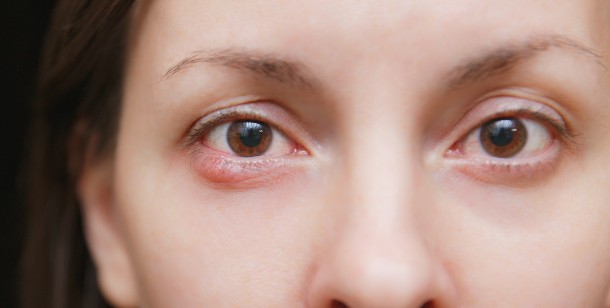
Blepharitis is a common condition that affects the eyes. More specifically, this condition can cause issues at the base of the eyelashes and along the eyelid margin.
It is one of the most frequently seen eye conditions, affecting people of all ages. Symptoms tend to come and go, and mornings are often when they feel the worst.
When going through a flare-up, the condition can cause the following:
- Sensitivity to light
- Sore eyelids
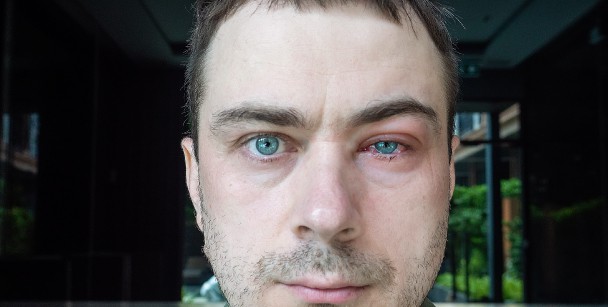
- Watery and red eyes
- Swelling of the eyelid
- Crusted eyelashes
- Burning eyelids
- Itchy eyelids
- Blurred vision
- Dry eye
These symptoms can range from mildly irritating to genuinely disruptive to your daily life. Some people experience occasional flare-ups. Others deal with chronic symptoms that require ongoing management.
It is important to note that there are three types of blepharitis. Anterior blepharitis affects the outside of the eye, usually at the base of the eyelashes and edges of the eyelids. Posterior blepharitis usually occurs at the opening of the eye’s meibomian glands. Mixed blepharitis is a combination of both anterior and posterior blepharitis occurring at once.
Knowing which type you have helps guide the right treatment. A medical evaluation is the best way to determine this.
What Triggers The Condition?
Blepharitis rarely has a single cause. It usually results from a combination of factors.
Often this condition is caused by an overgrowth of Staphylococcus bacteria around the eyes, or blocked meibomian glands. The meibomian glands are located in the eyelids and secrete an oily substance at the lid margin. This oil prevents the eye’s watery tear film from drying out.
When these glands become clogged by the oil they produce, a flare-up of posterior blepharitis may occur. The clogging of this gland may also produce a stye, that tender, swollen lump along the eyelid edge.
Other common triggers include:
- Skin conditions like dandruff, rosacea, and eczema. These cause skin inflammation that can easily spread to the eyelids.
- Demodex mites, microscopic mites that live on the skin. In high numbers, they irritate the eyelid margin.
- Poor hygiene, especially in younger children and teenagers.
- Allergies, reactions to eye makeup, contact lens solutions, or airborne allergens can worsen symptoms significantly.
If you notice your flare-ups happen alongside a rosacea episode or during allergy season, that pattern is worth mentioning to your doctor.
Is it Contagious?
Here is some reassuring news, blepharitis is not contagious.
The good news is that the condition is not contagious. It can be a difficult ailment to tolerate, but you will not have to worry about passing it onto others.
You can be around family, go to work, and live normally without any risk of spreading it.
How Long Does Blepharitis Last?
This is the question everyone wants answered, and the honest answer is: it depends.
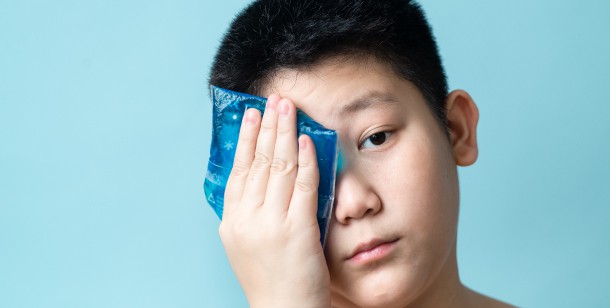
Unfortunately, blepharitis swelling will most likely last as long as you are suffering from a flare-up. However, it is possible to alleviate swelling by applying a cold compress over your eyes. Elevating your head during the night can also help decrease fluid retention around the eyes.
For acute blepharitis, which appears suddenly, symptoms can improve within one to two weeks with consistent care.
For chronic blepharitis, the condition may last for months or even years without proper management. Flare-ups come and go, sometimes with long gaps in between.
The biggest factor in how long it lasts? How quickly you start treatment and how consistently you stick to it. Early action makes a real difference.

How Long Does it Take to Clear Up?
Now onto the real question: how long does blepharitis last once you begin treating it?
The reality is that this condition is something which cannot be cured completely. It can, however, be managed with a variety of techniques. Proper eye care can allow a person to go months or even years without a flare-up.
Here is a general timeline to help set expectations:
- Week 1: Redness and morning crusting begin to reduce with daily lid hygiene and warm compresses.
- Weeks 2–4: Eyelid swelling noticeably decreases. The burning and gritty feeling starts to ease.
- Month 1–3 (chronic cases): A long-term routine is established. Your doctor may adjust treatment based on your response.
If you are not seeing any improvement within a few weeks, do not wait it out. That is a clear sign to seek professional help. Conditions like a stye or eyelid infection can sometimes develop alongside blepharitis and require separate treatment.

How Can I Treat My Blepharitis?
There are several treatment options available! These treatments will either help you prevent flare-ups or assist you in alleviating active flare-ups. Treatment options include the following:
- Warm compresses
- Cleaning your eyelids regularly
- Artificial tears
- Oral antibiotics
- Topical antibiotics
- Punctal plugs
Warm Compresses
You can alleviate symptoms of blepharitis by placing a warm compress over your eyes. Boil water and then soak a clean eye pad in the water before placing it over your eyes for ten minutes. This will help clear up the debris that may have gathered around your eyes and at the base of your eyelashes.
Do this at least once daily. Twice a day is better if you are in an active flare-up.
Daily Eyelid Cleaning
If you have suffered from blepharitis in the past or know that you are prone to flare-ups, you should clean your eyelids daily. Using warm water and baby shampoo to clean your eyes twice a day can help prevent the return of blepharitis.
Think of it like brushing your teeth. It is a small daily habit that prevents bigger problems over time.
Antibiotics
A trusted medical provider can prescribe topical or oral antibiotics to help your flare-up subside, depending on the severity of your symptoms. Medicated artificial tears can also be prescribed to help treat symptoms such as dry eye and alleviate general discomfort.
Punctal Plugs
Occasionally, the condition can be treated with the use of punctal plugs. These dissolvable plugs can be implanted into the tear ducts to prevent the natural drainage of tears, thus keeping the eyes comfortably moist. These plugs are temporary and can last from several days to several months. This method for keeping the eyes moist will help with dry eyes and reduce eye irritation.
Lifestyle Tips
Avoiding eye makeup during active flare-ups removes a major irritant. Replacing old eye products regularly also helps. Some physicians recommend omega-3 supplements to reduce the inflammation linked to meibomian gland dysfunction.If your symptoms keep returning despite home care, it may be time to explore whether an underlying condition like rosacea or chronic dry eye is driving your blepharitis.
Frequently Ask Questions
Village Emergency Centers Can Help
If your flare-up lasts longer than six weeks, do not try to manage it alone.
At Village Emergency Centers, our board-certified physicians are available 24 hours a day, 7 days a week. We provide expert care for conditions like blepharitis to help you find relief and effective treatment quickly.
With locations in Jersey Village and League City, we are always close to home. Feel free to contact our team before your visit, or simply walk straight in. Visit Village EC today and let us help you get back to feeling your best.