
Strep throat, or streptococcal pharyngitis, is a bacterial infection characterized by a sore, scratchy throat. Whether you currently have it or are worried you might, here is some important information regarding the condition.
What Causes Strep Throat?
Strep throat is caused by the transmission of Group A Streptococcus bacteria, also known as Streptococcus pyogenes.
It spreads through the mouth or nose. Someone already infected can pass the bacteria through their saliva or respiratory droplets.
How Does It Spread?
- Talking, coughing, or sneezing releases infected droplets into the air
- Touching contaminated surfaces and then touching your nose or mouth can transfer bacteria
- Sharing food, drinks, or utensils with an infected person is another common route
It’s important to understand that strep throat is a bacterial infection, not viral. That distinction matters significantly when it comes to treatment.

What Are the Symptoms of the Condition?
What Are the Symptoms of Strep Throat?
Some common symptoms of strep throat include:
- Sore, red throat
- Pain when swallowing
- Swollen tonsils or uvula
- Red spots on the roof of the mouth
- White film or patches on the tongue
- Fever
- Stomach pain
- Headache
- Nausea or vomiting
- Rash
If you have any of these symptoms, it is recommended that you be tested for strep throat.
How Is Strep Throat Tested?
Rapid Strep Test
At-home rapid strep tests are available. However, they are not 100% accurate. A negative result doesn’t always mean you’re in the clear.
Throat Culture Test
A throat culture takes a few days to yield results. It is more accurate than the rapid test and is especially important in children.
Accurate testing is critical. It helps you take the right steps after receiving a diagnosis.
Strep vs. Viral Sore Throat
If you have a cough, runny nose, hoarse voice, or conjunctivitis, you are most likely suffering from a virus, not strep throat. These cold symptoms are a key differentiator. Strep throat typically presents without them.

Does Strep Throat Go Away On Its Own?
This is one of the most commonly asked questions. The answer is nuanced.
Most cases of strep throat can resolve within three to seven days, with or without antibiotic treatment. However, leaving it untreated is risky.
Why You Shouldn’t Wait It Out
Prolonged Contagiousness
Without antibiotics, you can remain contagious for up to two or three weeks. With antibiotics, that window drops to just 24 hours.
That means going untreated significantly increases the chance of spreading the infection to family members, classmates, or coworkers.
Higher Risk of Complications
Leaving strep untreated, especially in children, raises the risk of serious complications. These include rheumatic fever, which can permanently damage heart valves, as well as kidney inflammation.
Children between ages 5 and 15 are most vulnerable. Prompt treatment is especially important for this group.
Worsening Discomfort
Symptoms like sore throat can become severe while waiting for the bacteria to run its course. Antibiotics speed up recovery significantly. Most people feel better within one to two days of starting treatment.

What are the Treatments of Pharyngitis?
Strep throat is treated with antibiotics. It is also manageable at home with supportive care.
Antibiotic Treatment
Prescription Antibiotics
Strep throat is usually treated with penicillin or amoxicillin. These are prescribed by a doctor and taken for the full course, typically 10 days.
It’s critical to complete the entire course, even once symptoms improve. Stopping early can allow bacteria to survive and cause a relapse or resistance.
Antibiotics can come with side effects, including nausea, vomiting, diarrhea, and indigestion. These are generally manageable and worth the protective benefits.
For many patients, the question arises of whether they can manage this themselves. Understanding whether antibiotics are available over the counter helps set clear expectations. Strep requires a prescription, not an OTC solution.
Home Remedies for Symptom Relief
While antibiotics are the only cure, certain home remedies can relieve discomfort in the meantime.
Saltwater Gargle
Mix salt with warm water and gargle the solution. This soothes the sore throat, reduces redness and swelling, and kills surface bacteria.
Coconut Oil Pulling
Swishing coconut oil in your mouth for at least 10 minutes, then spitting, rinsing, and brushing, has been shown to reduce strep bacteria and toxins in the mouth.
Over-the-Counter Pain Relievers
Acetaminophen or ibuprofen can reduce fever and ease throat pain. These are especially helpful in adults and older children.
Important: Home remedies treat symptoms only. They do not cure strep or prevent further contagion. Antibiotics remain essential.

When Should I Seek Medical Attention?
As mentioned, allowing strep to run its course without treatment increases the risk of serious complications.
Serious Complications of Untreated Strep
- Rheumatic fever, inflammation that can damage the heart, joints, and nervous system
- Ear or sinus infections, bacteria can spread to surrounding structures
- Peritonsillar abscesses, pockets of pus that form around the tonsils or neck
- Swollen lymph nodes, indicating the infection is spreading
- Scarlet fever, a bacterial illness causing a rough red rash across the body
- Kidney inflammation (post-streptococcal glomerulonephritis), a rare but serious complication
Seek medical treatment if any of these symptoms develop. Better yet, seek treatment early to prevent them from developing at all.
When Children Need Emergency Care
Strep spreads easily within families due to constant close contact. Children are the most common carriers.
If your child has strep and also develops a high fever that doesn’t respond to medication, you may need to act quickly. Knowing when to take your child to the ER for a fever can help you make that call with confidence.Similarly, strep can progress into ear infections in children. If ear pain accompanies the illness, knowing when to take your child to the ER for ear pain can help guide your next step.
How Do You Prevent Strep Throat?
Strep throat is most effectively prevented through good hygiene and early detection.
Hygiene Practices That Help
Handwashing
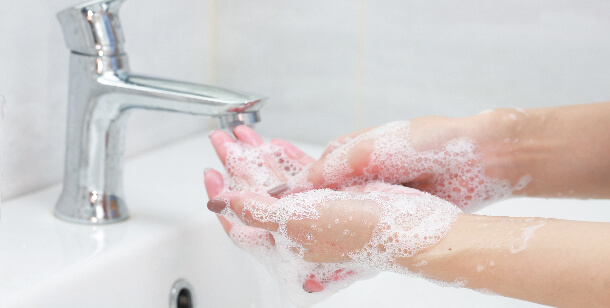
Wash your hands thoroughly when you come in contact with potentially infected surfaces. This is the single most effective prevention measure.
Use soap and water for at least 20 seconds. If soap is unavailable, an alcohol-based hand sanitizer is the next best option.
Avoid Touching Your Face
Resist the urge to touch your nose or mouth after contact with shared surfaces. This prevents bacteria from entering your system.
Cough and Sneeze Etiquette
Cough or sneeze into your elbow, not your hands. This prevents infected droplets from spreading to others.
Prevention in Children
Strep throat is most common in children ages 5 through 15. Parents of school-aged children or adults who regularly interact with children are also at elevated risk.
Teaching children proper hygiene, washing hands with soap for 30 seconds and coughing into their elbows, can reduce the spread within schools and families.
Early Detection
Early detection is equally important. Rapid strep tests and throat culture tests are available from most pharmacies and healthcare providers.
Testing early allows treatment to start quickly. It limits contagion and prevents complications before they develop.
How Do You Prevent Strep Throat?
If you or a loved one is experiencing symptoms of strep throat, do not wait.
At Village Emergency Centers, our board-certified physicians are available 24 hours a day, 7 days a week. We can diagnose strep throat with rapid testing and throat cultures on-site and prescribe the right antibiotics without delay.
With locations in League City and Jersey Village, we provide fast, compassionate care close to home. Feel free to contact our team before your visit or simply walk straight in, we are always ready to help.