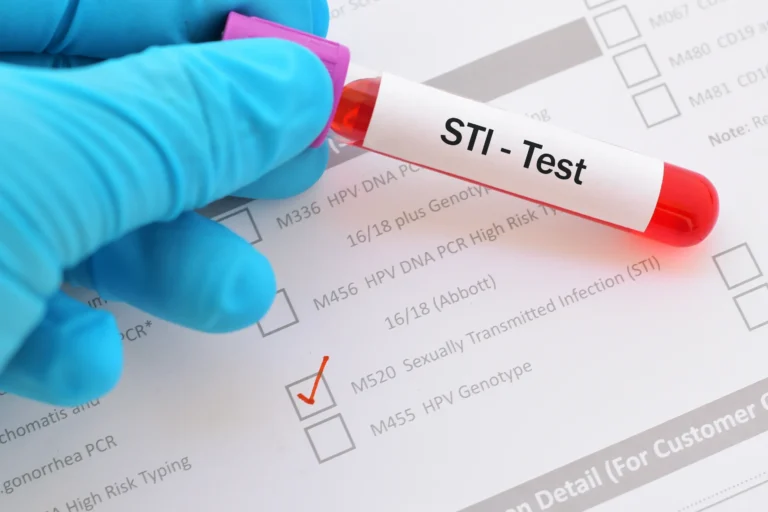
If you’ve recently had unprotected sex or are experiencing unusual symptoms, you may be wondering, do emergency rooms do STD testing? The answer is yes. Most emergency rooms, including Village Emergency Center, can evaluate sexually transmitted infections (STIs), commonly referred to as sexually transmitted diseases (STDs), and provide testing and treatment when medically appropriate.
Many people assume they should wait to see their primary care physician or visit an urgent care clinic instead. While those are appropriate options in many situations, prompt medical evaluation is important if you’re experiencing painful symptoms or are concerned about a recent exposure. Early testing can identify an infection before it leads to more serious health complications and reduce the risk of unknowingly passing it to a partner.
Whether you’re experiencing symptoms or simply want peace of mind after unprotected sex, seeking care promptly can help you receive an accurate diagnosis and begin treatment if needed.
Should I Go to the ER if I Think I Have an STD?
Visiting an emergency room may not be your first thought when you’re concerned about an STD. Many people worry their symptoms aren’t serious enough or feel embarrassed discussing their sexual health with a healthcare provider.
The reality is that emergency rooms regularly evaluate patients with possible sexually transmitted infections. If you’re experiencing symptoms, waiting several days or weeks for another appointment may only increase discomfort and allow certain infections to worsen.
When Emergency Care Makes Sense
Not every STD requires emergency treatment, but some symptoms deserve prompt medical attention. Severe pelvic pain, high fever, painful urination, unusual genital sores, significant swelling, or abnormal discharge can sometimes indicate infections that should be evaluated without delay.
Some untreated sexually transmitted infections can lead to complications such as pelvic inflammatory disease (PID), infertility, chronic pelvic pain, or infections that spread beyond the reproductive system. Early evaluation allows healthcare providers to determine what’s causing your symptoms and begin appropriate treatment sooner.
Symptoms such as burning during urination may not always be caused by an STD. Conditions like urinary tract infections can produce similar symptoms, which is why distinguishing them from UTIs requiring emergency care is an important part of an accurate medical evaluation.
Why Early Testing Matters
Many bacterial STDs respond well to antibiotics when diagnosed early, while viral infections can often be managed more effectively when treatment begins promptly.
Delaying testing may increase the likelihood of developing complications or transmitting the infection to a partner before you even realize you’re infected.
Receiving timely care also provides reassurance if your symptoms turn out to be unrelated to an STD. Several conditions affecting the urinary or reproductive system can mimic sexually transmitted infections, making professional evaluation the safest approach.
Confidential, Respectful Care
It’s completely normal to feel nervous about seeking STD testing. Many people delay care because they’re worried about privacy or being judged.
At Village Emergency Center, our medical team understands these concerns. Every patient receives respectful, confidential, and compassionate care in a professional environment focused entirely on helping you protect your health.

STD Symptoms to Watch Out For
One of the biggest challenges with sexually transmitted infections is that many don’t cause symptoms immediately. Some infections remain unnoticed for weeks, months, or even years before signs develop.
Because of this, it’s possible to carry an infection without knowing it and unknowingly pass it to someone else.
Can You Have an STD Without Symptoms?
Yes. Many common sexually transmitted infections, including chlamydia, gonorrhea, and human papillomavirus (HPV), may produce few or no symptoms during the early stages.
Chlamydia, in particular, is often called a “silent infection” because many people never develop noticeable symptoms despite being infected.
According to the Centers for Disease Control and Prevention (CDC), more than 26 million new sexually transmitted infections occur each year in the United States. Many of these infections are spread by people who don’t realize they’re infected because they have no symptoms.
This is one reason routine screening is recommended for sexually active individuals, especially those with new or multiple partners.
Knowing who should be tested for STDs can help identify infections early, even when no obvious symptoms are present.
Common Symptoms in Men and Women
Although symptoms vary depending on the infection, several warning signs should never be ignored.
These may include:
- Pain or burning while urinating
- Pain during sexual intercourse
- Lower abdominal or pelvic pain
- Abnormal vaginal discharge
- Milky or unusual penile discharge
- Swollen or painful testicles
- Pain, swelling, bleeding, or discharge around the anus
- Sores, blisters, or bumps around the genitals or thighs
- Itching or irritation in the genital area
- Fever, fatigue, swollen lymph nodes, or body aches
Some infections cause only mild discomfort, while others become progressively worse if left untreated.
Symptoms That Shouldn’t Wait
Although many STDs can be diagnosed and treated before becoming emergencies, certain symptoms should be evaluated as soon as possible.
Seek prompt medical attention if you develop:
- Severe pelvic or abdominal pain
- High fever
- Heavy vaginal bleeding
- Difficulty urinating
- Rapidly worsening swelling
- Large or painful genital sores
- Persistent vomiting or severe illness
These symptoms may indicate a serious infection or another medical condition requiring immediate treatment.
Many people also have questions after a possible exposure, even before symptoms appear. Understanding the facts about STDs can help explain why early testing remains one of the most effective ways to protect both your health and your partner’s.
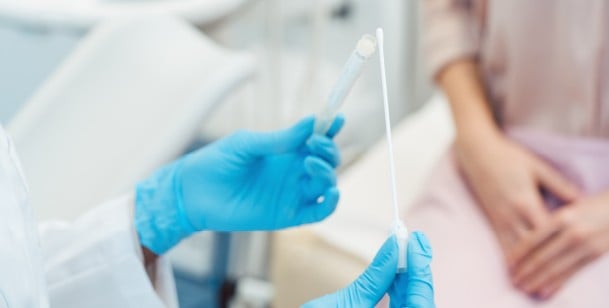
Do I Need to Get Tested for STDs?
Anyone who is sexually active can benefit from routine STD testing, even if they feel completely healthy. Many sexually transmitted infections cause few or no symptoms during their early stages, making regular screening one of the best ways to protect your health and prevent unknowingly passing an infection to someone else.
Testing is especially important if you’ve recently had unprotected sex, started a new relationship, have multiple sexual partners, or learned that a current or former partner has tested positive for an STD.
Who Should Be Tested?
Healthcare providers commonly recommend routine screening for people who:
- Have had unprotected vaginal, oral, or anal sex
- Have multiple sexual partners
- Have a new sexual partner
- Have a partner diagnosed with an STD
- Share needles or injection equipment
- Are pregnant or planning to become pregnant
- Have symptoms that may indicate an STD
How often you should be tested depends on your personal risk factors. Some people benefit from annual screening, while others may need testing every three to six months. Your healthcare provider can recommend a schedule that’s appropriate for you.
What Happens During an STD Test?
Many people avoid testing because they think it will be painful or complicated. In reality, STD testing is usually quick and straightforward.
Depending on your symptoms and medical history, your provider may recommend:
- A urine sample
- A blood test
- A swab of the affected area
- A physical examination
- A sample from a sore or lesion
The type of test depends on which infection your provider is evaluating. Your healthcare team will explain each step and answer any questions before testing begins.
How Long Do Results Take?
The time it takes to receive results depends on the specific infection being tested and the laboratory processing the sample.
Some results may be available within a day, while others take several days. Your provider will let you know when to expect your results and explain the next steps if treatment is needed.
If you test positive, early treatment can help relieve symptoms, reduce complications, and lower the risk of transmitting the infection to future partners.
Can the ER Treat an STD?
Yes. In many cases, an emergency room can do more than simply test for an STD.
If your evaluation confirms a bacterial infection such as gonorrhea or chlamydia, treatment may begin immediately with the appropriate antibiotics. Starting treatment promptly helps relieve symptoms sooner and reduces the chance of developing complications.
If a viral infection such as herpes is suspected, your provider may prescribe antiviral medication to help reduce symptoms and shorten the duration of an outbreak. Depending on your diagnosis, you may also receive instructions for follow-up care, additional testing, or referral to a specialist if ongoing management is recommended.
Receiving both testing and treatment during the same visit can help you begin recovery sooner and reduce unnecessary delays in care.
How to Help Protect Yourself From STDs
Although no prevention strategy eliminates risk completely, several healthy habits can greatly reduce your chances of contracting or spreading a sexually transmitted infection.
Practice Safer Sex
Using condoms and other barrier methods correctly every time you have sex remains one of the most effective ways to lower your risk for many sexually transmitted infections.
Open communication with your partner about sexual health and previous testing is another important part of protecting both of you.
Get Tested Regularly
Routine screening is one of the most effective ways to detect infections before symptoms appear. Since many STDs are asymptomatic, testing provides reassurance and allows treatment to begin before complications develop.
Even if you feel healthy, regular testing helps you make informed decisions about your sexual health.
Stay Current on Recommended Vaccinations
Vaccines can help protect against certain infections, including human papillomavirus (HPV) and hepatitis B. Ask your healthcare provider whether these vaccines are recommended based on your age, health history, and risk factors.
Vaccination is another important tool that works alongside safer sex practices and routine STD screening.
Tell Your Partner if You Test Positive
If you’re diagnosed with an STD, informing your current or recent sexual partners allows them to seek testing and treatment if necessary.
While these conversations can be difficult, notifying partners helps reduce the spread of infection and protects everyone involved.
Visit Village Emergency Center for STD Testing
At Village Emergency Center, our board-certified emergency physicians provide confidential STD evaluations, on-site testing, and prompt treatment when medically appropriate. Whether your symptoms are caused by an STD, a urinary tract infection, or another condition, we’re available 24/7 to help identify the cause.
Visit our League City Emergency Room anytime, no appointment is needed. Whether you’ve recently had unprotected sex, developed new symptoms, or need answers about your sexual health, our team is here around the clock to provide compassionate, judgment-free emergency care.