You felt a small sting. Now there’s a red, swollen spot on your skin. Could it be a spider bite? Millions of Americans deal with spider bites every year. Most bites are harmless. But some are not. A bite from the wrong spider can turn into a life-threatening emergency within hours. Knowing the difference can save your life. Even a “mild” bite can become infected if left untreated. Your skin is your body’s first line of defense. When that barrier is broken, bacteria enter fast. This guide will walk you through everything, from identifying the bite to knowing when to go to the ER. Do not wait too long. The sooner you act, the better your outcome.
How Do You Know You’ve Been Bitten by a Spider?
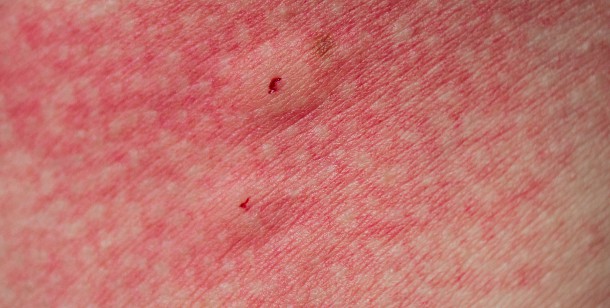
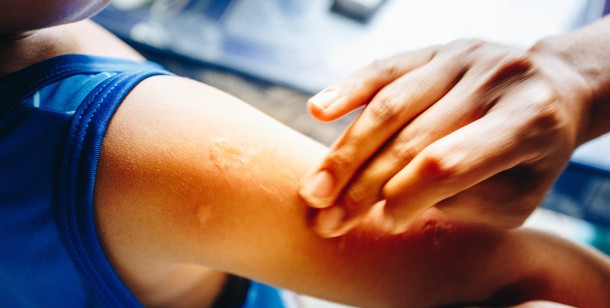
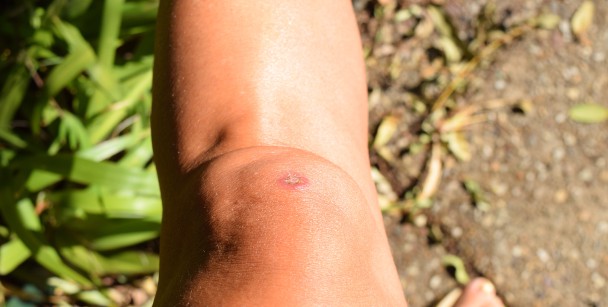
Most people never see the spider that bites them. That is what makes spider bites tricky to identify. At first, a spider bite can look just like a mosquito bite. It may also resemble a bee sting or a small pimple. This is why many bites go unnoticed for hours.
The key is to watch the bite closely over the first 24 to 48 hours. A normal bite will stay small and fade. A dangerous bite will grow worse.
Signs That You May Have a Spider Bite
A small red bump that appears suddenly
Mild pain, itching, or burning around the area
Slight swelling at the site
Two tiny puncture marks close together
The bite worsens instead of improving over time
If you did not see a spider but have a mysterious bite, treat it as a possible spider bite. It is always better to be cautious.
Which Spiders Are Dangerous in Texas?
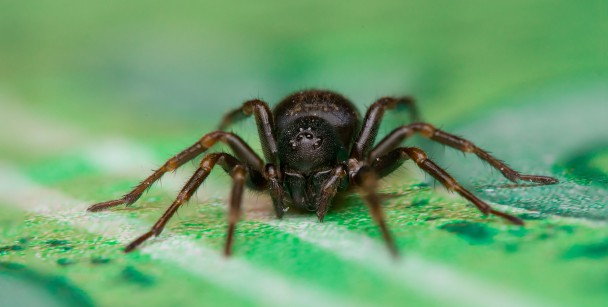
Not all spiders are created equal. Texas is home to several spider species. Most are harmless. However, a few can cause serious medical emergencies.
Spiders That Require Emergency Care
Black Widow
The black widow is shiny and jet black. It has a very round body, needle-thin legs, and a red hourglass marking on its belly. Its venom attacks your nervous system. A black widow bite is a medical emergency.
Brown Recluse
The brown recluse is small and brown. It carries a violin-shaped mark on its back, though this can be hard to see. This spider hides in boxes, shoes, closets, and dark corners. It is very common in Texas. Its venom destroys skin tissue. Left untreated, a brown recluse bite causes deep, spreading wounds.
Other Spiders to Watch
Tarantula
Hobo Spider
Camel Spider
Bites from these spiders may not always be life-threatening. However, they can still cause significant pain and infection.
Symptoms of a Dangerous or Infected Spider Bite
Symptoms tell the real story. Your body will signal when something is wrong. Do not ignore these warning signs.
Physical Symptoms to Watch For
Redness spreading outward from the bite
Increasing swelling and warmth around the area
Pain that gets worse instead of better
Streaks radiating out from the bite site (this signals a serious infection)
Blistering or skin breakdown at the center of the bite
Fever, chills, or body aches
Whole-Body Symptoms That Mean Go to the ER Now
Nausea or vomiting
Severe stomach cramping
Profuse sweating
Muscle spasms or stiffness
Difficulty breathing
Dizziness or confusion
Rapid heartbeat
These symptoms indicate the venom or infection has spread beyond the skin. This is a full medical emergency. Do not drive yourself. Call for help immediately.If your child shows any of these symptoms after a suspected bite, do not wait. Our pediatric emergency care team is equipped to handle spider bite emergencies in children of all ages.
How to Treat a Spider Bite at Home
Bites From Non-Venomous Spiders
Not every bite requires an ER visit. If you are confident the spider was not dangerous, you can begin home care right away.
Step 1: Clean the Bite Wash the area immediately with soap and water. Clean it thoroughly for at least 60 seconds. This removes surface bacteria and reduces infection risk.
Step 2: Apply a Cold Pack Wrap ice in a cloth and apply it to the bite. Do this for 10 minutes on, 10 minutes off. Cold reduces swelling and numbs the pain.
Step 3: Use Antibiotic Ointment Apply an over-the-counter antibiotic cream like Neosporin. Cover the bite with a clean bandage. Change the bandage daily.
Step 4: Take an Antihistamine An antihistamine like Benadryl or Zyrtec helps reduce swelling and itching. Follow the dosing instructions on the package.
Step 5: Elevate the Area If the bite is on an arm or leg, keep it elevated. This reduces swelling by improving circulation.
Step 6: Monitor Closely Watch the bite every few hours. Take photos to track any changes. If it worsens at any point, seek medical care.
Check Your Tetanus Shot Status
Spiders crawl through dirty, bacteria-filled environments. Their bites can introduce harmful bacteria deep into your skin. Your tetanus shot protects you from one of those bacteria. If your last tetanus shot was more than 10 years ago, you need a booster. Ask your doctor or visit an ER if you are unsure.
Treating an Infected Spider Bite
Infection is one of the most common complications of any spider bite. It can happen even with a non-venomous spider. Bacteria from the spider’s environment enters the wound and multiplies.
Signs Your Spider Bite Is Infected
Increasing redness that spreads daily
The bite feels hot to the touch
Yellow or green pus draining from the wound
A foul smell coming from the bite area
Red streaks spreading away from the bite (a sign of blood infection)
Fever above 100.4°F
Swollen lymph nodes near the bite
What Treatment Is Needed for an Infected Bite
An infected spider bite cannot be treated with home care alone. You will need a doctor. Treatment usually involves:
Oral antibiotics to kill the infection from the inside
Wound cleaning and debridement to remove damaged or dead tissue
IV antibiotics for severe or spreading infections
Tetanus booster if you are not up to date
Prescription pain relievers to manage severe pain
For deep or spreading infections, our infections treatment team can assess and begin treatment right away. Early intervention prevents the infection from reaching the bloodstream.
Treating a Venomous Spider Bite
If you believe a black widow or brown recluse has bitten you, do not attempt home treatment. Go to the emergency room immediately.
What ER Treatment Looks Like
For Black Widow Bites:
Antivenom may be administered in severe cases
Muscle relaxers are prescribed for painful spasms
IV pain management is provided
Vital signs are monitored continuously
For Brown Recluse Bites:
The wound is cleaned and closely monitored
Dead tissue may need surgical removal over time
Antibiotics prevent secondary infection
Pain management is a priority
Time matters enormously with venomous bites. The sooner treatment begins, the less damage the venom causes. Do not wait to see if it “gets better on its own.”If your bite is accompanied by chest pain or heart-related symptoms, our chest pain emergency team can evaluate you immediately.
When Should You Go to the ER for a Spider Bite?
This is the most important question. Many people wait too long. Here is a clear guideline.
Go to the ER Immediately If:
You know or suspect a black widow or brown recluse bit you
Symptoms are spreading or worsening rapidly
You develop fever, chills, or vomiting
Red streaks appear around the bite
The bite area turns dark, purple, or begins to blister
A child, elderly person, or immunocompromised person was bitten
You are having any trouble breathing
You Can Monitor at Home If:
The bite is small, not worsening, and has no streaks
You have no fever or systemic symptoms
You are healthy, vaccinated, and the bite is from a known harmless spider
When in doubt, always choose the ER. A few minutes of evaluation can prevent days of complications. You can also read about common insect bites that require medical attention to better understand when a bite crosses the line.
Spider Bites vs. Other Skin Infections: How to Tell the Difference
Many people confuse spider bites with other skin conditions. A boil, staph infection, or MRSA lesion can look identical to a spider bite. In fact, many “spider bite” cases turn out to be bacterial skin infections.
The key differences to watch for:
Spider bites often have two puncture marks at the center
Bacterial infections tend to spread faster and may not have a clear entry point
MRSA lesions are very warm, painful, and resist standard antibiotics
If you are unsure what caused your skin wound, visit an ER. Doctors can test for infection type and prescribe the correct treatment. Learn more about how to tell if you have a skin infection for a deeper look at warning signs.
How to Avoid Spider Bites in the First Place
The best treatment is prevention. A few simple habits can dramatically reduce your risk of being bitten.
Practical Prevention Tips
Shake out shoes, clothing, and towels before using them
Wear gloves when working in garages, attics, or storage areas
Seal cracks and gaps in walls, doors, and windows
Keep your home free of clutter where spiders like to hide
Use insect repellent when outdoors in wooded or brushy areas
Check under furniture and inside boxes before reaching in
Install door sweeps to keep spiders from entering your home
Keep outdoor lights off when possible, lights attract insects, which attract spiders
Frequently Ask Questions
Look for spreading redness, pus, warmth, red streaks, or fever. These signs mean bacteria have entered the wound and you need medical treatment now.
Yes. Any spider bite can become infected. Bacteria from the spider’s environment can cause cellulitis, abscess, or even blood infection if untreated.
Minor bites heal in 1–2 weeks. Venomous or infected bites may take weeks to months and often require medical treatment for full recovery.
Go to the ER if you have spreading symptoms, fever, streaks, or suspect a venomous spider. Urgent care is fine only for mild, non-worsening bites.
It typically develops a pale center surrounded by red, inflamed skin. A blister may form. The tissue can begin to break down. Seek emergency care immediately.
Why Village Emergency Center Is the Right Choice for Spider Bite Care
When a spider bite turns serious, your community deserves fast, expert, compassionate care. Village Emergency Center ER is open 24 hours a day, 7 days a week, with no wait times and a fully equipped team ready to act. Families across League City emergency room, Jersey Village ER location, and Clear Creek emergency care center trust us because we treat every patient like a neighbor, because you are. Our board-certified emergency physicians diagnose quickly, treat effectively, and send you home with a clear plan. Whether you need wound care, IV antibiotics, or emergency imaging, we have it all under one roof. Don’t guess with a spider bite. Book your ER visit now or walk in right now, we are always here when your family needs us most.