
In 2018, Houston ranked fourth on a list of United States cities with the highest mosquito population and the most mosquito related problems.
As recently as 2021, several pest control companies and various sources listed Houston just under the top ten worst cities for mosquitoes, meaning the city’s standing has improved slightly, but it remains a genuine hotspot for mosquito activity.
This comes as no surprise given that over fifty species of mosquito call the Houston area home, ranging from common backyard nuisances to species capable of carrying more serious diseases.
While there is no exact number for how many mosquitoes are buzzing around at any given moment, it is clear that mosquitoes remain a significant problem in Houston and the surrounding area.
Here is what you need to know about when mosquitoes are most active in Houston, how to prevent bites, and when to seek help so you have a clearer picture of just how bad the mosquito situation really is.
Are Mosquitoes a Year Round Problem in Houston
Mosquitoes tend to become active once outdoor temperatures climb above fifty degrees Fahrenheit. Because temperatures in Houston stay above that threshold for most of the year, except during the winter months of December through February, mosquitoes remain active for the majority of the calendar year.
Peak Season and Hurricane Activity
Mosquito season typically runs from March through October, with activity peaking between April and September when temperatures are at their highest. Mosquitoes also tend to be worse during Houston’s hurricane season, since they thrive in moist, hot environments.
Being especially careful about excess moisture and standing water in and around your home during these months can make a meaningful difference in how many mosquitoes end up near your property.
Heavy rainfall events, in particular, can create new pools of standing water almost overnight, giving mosquitoes fresh breeding grounds even in yards that were previously well maintained.
What Time of Day Are Mosquitoes Most Active
Although picnics and pool time often come to mind when people think of mosquito bites, mosquitoes are typically not at their most active during peak daylight hours.
Direct sunlight dehydrates mosquitoes, which is why they tend to stay in shady areas and limit their feeding activity during the day, waiting instead for cooler, more humid conditions.
Mosquitoes can best be described as crepuscular, meaning they are primarily active during the twilight hours of dawn and dusk, rather than during the brightest parts of the day.
This behavior pattern is worth keeping in mind when planning outdoor activities, since scheduling time outside during the middle of the day can genuinely reduce your exposure compared to early morning or evening hours.
Wooded and shady areas serve as much of a safe haven for mosquitoes as they do for people trying to cool off, so extra caution is worth taking whenever you retreat to the shade during the summer months.
How to Prevent Mosquito Bites
The best way to prevent mosquito bites is to prevent mosquitoes from being drawn to your home in the first place. A few practical changes can make your property considerably less appealing to them without requiring major renovations or expensive equipment.
Removing Standing Water and Sealing Entry Points
Female mosquitoes need standing water to safely lay their eggs, and common sources include low spots in the yard, bird baths, and overturned trash can lids.
Removing these sources of standing water is one of the most effective steps you can take, since a single container holding water for more than a few days can produce dozens of new mosquitoes ready to spread throughout the neighborhood.
Making sure your home is properly sealed matters just as much, since mosquitoes are small enough to sneak in through almost any crack or gap they can find in the exterior walls or foundation.
Double checking entry points to your home during mosquito season is a simple habit worth building into your routine, particularly around window screens and door frames where gaps tend to develop over time.
Yard Maintenance and Protective Clothing
Piles of leaves, lawn clippings, and stray logs or tree stumps make ideal breeding sites for mosquitoes, since they tend to stay damp and shaded.
Removing this kind of debris from your property makes your home considerably less hospitable to pests, and a quick weekend cleanup can noticeably reduce mosquito activity within just a few days.
Even with these precautions in place, mosquitoes can still find their way into your personal space. Wearing long sleeved, loose fitting, lightweight clothing helps here, since mosquitoes are less likely to target you when your skin is covered, even though summer often brings images of swimwear and shorts to mind instead.
Repellents and Additional Protection
Using insect repellent when outdoors makes a real difference as well. Spraying your skin and clothing with a trusted repellent brand, particularly one containing DEET, effectively repels mosquitoes in most situations and remains one of the most reliable defenses available today.
Installing a mosquito misting system around the perimeter of your home or in frequently used outdoor spaces, such as pools, patios, and decks, offers an additional layer of protection for anyone who spends a lot of time outside.
These systems can be especially useful for households that host frequent outdoor gatherings throughout the warmer months, providing consistent protection without requiring repeated manual spraying.
Why It Is Important to Prevent Mosquito Bites
Beyond the itchiness and discomfort mosquito bites cause, there are real reasons to take prevention seriously. Some mosquitoes carry viruses and transmit diseases that can be dangerous or even fatal to humans and animals alike, which makes prevention worth the extra effort even on a busy day.
Malaria remains one of the most infamous mosquito borne diseases, though mosquitoes can also transmit yellow fever, West Nile virus, and the Zika virus, among several other infectious diseases that vary in severity depending on the specific virus involved.
It is also possible to be allergic to mosquito bites specifically, which typically shows up as large, painful bite marks that mimic other skin infections and take noticeably longer to heal.
Understanding which allergies can be life threatening can help you recognize when a bite reaction has crossed from uncomfortable into something that genuinely needs medical attention.
Mosquito Bite Treatments
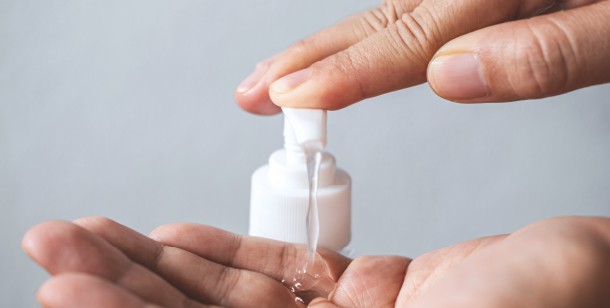
If you do get bitten, treating the bite properly rather than ignoring it matters more than most people realize. Washing the bite area with soap and water helps remove the dirt and bacteria mosquitoes tend to carry, which is worth doing even for a small, seemingly minor bite that does not look concerning at first glance.
Applying ice to the affected area can help reduce both itching and swelling in the hours right after a bite occurs, and repeating this a few times during the first day often provides the most relief.
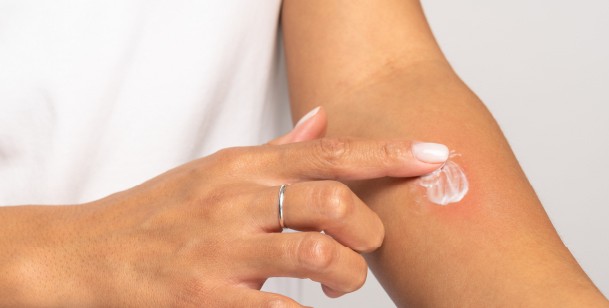
Using an over the counter anti itch cream or antihistamine on the bite mark can further prevent inflammation and additional itchiness as it heals, and repeating this treatment over the following day or two often keeps symptoms manageable.
How Long Mosquito Bites Typically Last
Mosquito bite irritation usually lasts only three to four days, with peak itchiness occurring twenty four to forty eight hours after the initial bite.
If a bite feels similar to another insect bite you have dealt with before, understanding how to tell bug bites apart can help you figure out whether you are actually dealing with a mosquito or something else entirely.
When to Seek Help for a Mosquito Bite
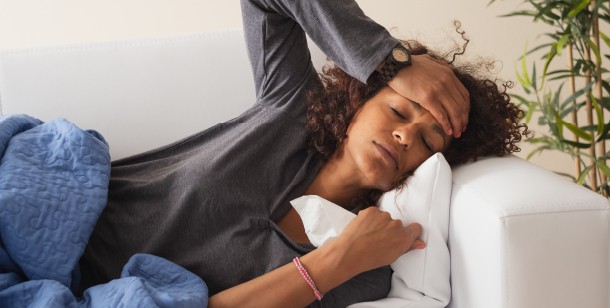
While most mosquito bites resolve on their own within a few days, certain symptoms call for prompt medical attention rather than waiting things out. Chills or fever alongside a bite are worth taking seriously, as is nausea that develops shortly after being bitten.
Soreness, tenderness, or swelling that seems unusual for a typical bite deserves attention as well, along with red streaks or spots extending from the bite site, especially if those streaks feel warm to the touch.
Abscesses or oozing at the bite site are also signs that point toward needing professional care rather than home treatment. Learning more about when insect bites need attention can help you recognize these warning signs before they progress further.
Mosquito Bite Care at Village Emergency Centers
If you notice any concerning symptoms after a mosquito bite, seeking care from trained medical professionals is always the safer choice. Village Emergency Center is open 24 hours a day, every day of the year, with board certified physicians ready to evaluate the bite and develop a treatment plan for any complications.
Families in League City and Clear Creek trust us just as much as those near our Jersey Village location, where our team is ready to help the moment a mosquito bite starts to feel like more than routine irritation, day or night. Reach out to Village Emergency Center whenever you need medical experts you can trust.
