
As Texas enters the cold and flu season, you may be wondering whether urgent care can actually diagnose pneumonia here in Houston. It is worth knowing where to turn for a potentially serious infection that affects around 1.7 million Americans every year.
The short answer is yes. Urgent care clinics and emergency rooms can both diagnose and treat cases of pneumonia. Here is what you need to know about the symptoms, diagnosis, and treatment options available to you, along with when a routine cold has likely turned into something that needs medical attention.
What Is Pneumonia
Pneumonia is an infection of the lungs that often develops from the common cold or certain upper respiratory infections. When someone has pneumonia, the air sacs that carry air into the lungs become inflamed and fill with fluid or pus, which leads to breathing problems.
In severe cases, the lungs can shut down entirely, and this can become life threatening without prompt treatment. This is exactly why recognizing early symptoms matters so much, since catching pneumonia before it advances gives treatment a much better chance of working quickly and completely.
What Causes Pneumonia
Pneumonia develops when germs infect the lungs and cause inflammation in the air sacs. The most common causes include:
- Bacterial pneumonia: The most common type, often caused by bacteria that enter the lungs through inhaled respiratory droplets. It is typically treated with antibiotics.
- Viral pneumonia: Often develops after the flu or another respiratory virus. Many cases improve with supportive care, although some can become severe or lead to secondary bacterial infections.
- Fungal pneumonia: A less common form that primarily affects people with weakened immune systems or those exposed to environments with high concentrations of fungal spores, such as construction sites or areas where soil is frequently disturbed.
Who Is Most at Risk
While pneumonia can affect anyone, including otherwise healthy people, some groups face a higher risk of severe complications. Young children, older adults, people with weakened immune systems, and those with existing lung conditions or chronic health issues fall into this higher risk category.
Since pneumonia can sometimes be mistaken early on for seasonal allergies or a common cold, these higher risk groups especially benefit from getting persistent symptoms checked rather than waiting them out.
Smokers and people who have recently recovered from surgery or a hospital stay also face an elevated risk, since both circumstances can leave the lungs more vulnerable to infection.
Anyone in one of these higher risk groups should take even mild respiratory symptoms seriously and consider getting checked sooner rather than later, since complications tend to develop faster in these populations than in otherwise healthy adults.
Pneumonia vs Walking Pneumonia
You have likely heard the phrase walking pneumonia before and may wonder how it differs from standard pneumonia. Walking pneumonia is a milder version of the infection that affects the upper and lower respiratory tract but usually does not require hospitalization or extended bed rest.
Signs of walking pneumonia tend to be less severe, and the condition is often mistaken for the common cold or produces almost no noticeable symptoms at all. Cold symptoms that stick around longer than seven to ten days can be a sign that walking pneumonia is actually behind what feels like a lingering cold.
Many people with walking pneumonia continue going to work or school without realizing anything is seriously wrong, which is part of how the condition got its name. This can unfortunately allow the infection to spread to others before anyone realizes what is actually going on.
If you suspect you have walking pneumonia, heading to an urgent care clinic or another care facility as soon as possible is the safest next step. Getting evaluated early can prevent a milder case from progressing into something more serious, especially in people who already fall into a higher risk category.
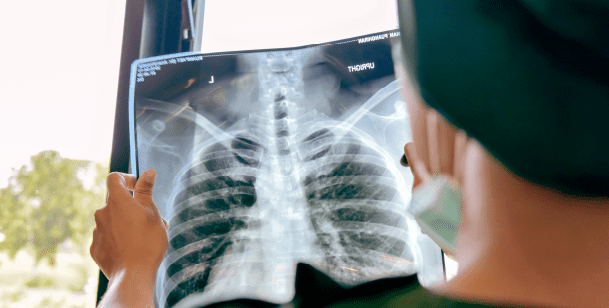
Symptoms and Treatment Options
Pneumonia symptoms can vary quite a bit in severity and may include a cough that is either dry or productive, along with fever, chills, and noticeable fatigue or weakness. Difficulty breathing or shortness of breath often accompanies these symptoms as the infection progresses.
Understanding related respiratory conditions like bronchitis can help you tell the difference between something that will clear up on its own and something that needs medical attention.
Common Warning Signs
Pneumonia can cause a wide range of symptoms, some of which may indicate a more serious infection. Watch for:
- Discolored or bloody mucus: Brown, green, or blood-tinged mucus may signal a significant lung infection.
- Chest pain or rapid heartbeat: Chest discomfort, especially when breathing or coughing, and a fast heart rate can occur with pneumonia.
- Confusion: New or worsening confusion, particularly in older adults, may be a sign of severe infection.
- Digestive and flu-like symptoms: Nausea, vomiting, diarrhea, muscle aches, sore throat, or difficulty swallowing can accompany pneumonia.
- Bluish lips or fingertips: A blue tint to the lips or fingers may indicate low oxygen levels and requires immediate emergency medical attention.
When Symptoms Point to Something More Serious
Not every symptom on this list appears in every case, and severity can range widely from person to person. Paying attention to how your symptoms change over time matters just as much as the symptoms themselves, since a gradual worsening trend is often more telling than any single symptom in isolation.
If your energy keeps dropping despite rest, or if breathing feels harder each day rather than easier, these trends suggest the infection is progressing rather than resolving on its own. Trusting your own sense that something feels wrong is often just as valuable as any specific checklist of symptoms.
How Pneumonia Is Diagnosed and Treated
Healthcare providers use a combination of exams and testing to diagnose pneumonia and determine the most appropriate treatment.
- Diagnostic testing: A chest X-ray, blood tests, or other evaluations may be used to confirm pneumonia and assess the severity of the infection.
- Prescription medications: Bacterial pneumonia is typically treated with antibiotics. Depending on your symptoms, your healthcare provider may also prescribe steroids or cough medication.
- Home care for mild cases: Less severe pneumonia can often be managed with plenty of rest, fluids, and over-the-counter medications to relieve fever, congestion, and coughing.
- Complete the full course of antibiotics: Even if you start feeling better, finishing all prescribed antibiotics helps prevent the infection from returning or becoming more difficult to treat.
- Know when to seek medical care: Visit an urgent care center or emergency room if you have dark brown, green, or bloody mucus for more than two days, especially if it is accompanied by a fever of 101°F (38.3°C) or higher. Understanding when a fever needs emergency evaluation can help you recognize when home treatment is no longer appropriate.
How to Prevent Pneumonia
There are several simple habits that can lower your chances of developing pneumonia in the first place. Staying current on vaccines, including your annual flu shot, gives your immune system a real head start against some of the most common causes.
Older adults and people with certain chronic conditions may also benefit from a pneumonia vaccine specifically, so it is worth asking your doctor whether this additional protection makes sense for your situation.
Everyday Habits That Help
Healthy daily habits can reduce your risk of pneumonia by supporting your immune system and limiting exposure to germs:
- Manage chronic health conditions: Keeping conditions such as diabetes, asthma, or heart disease under control helps your immune system function more effectively.
- Practice good hand hygiene: Wash your hands regularly and avoid touching your eyes, nose, and mouth to reduce the spread of germs.
- Clean frequently touched surfaces: Regularly disinfect commonly used surfaces to help limit exposure to bacteria and viruses.
- Limit exposure to illness: Avoid close contact with people who have pneumonia or other respiratory infections, and consider wearing a face covering in crowded settings or when caring for someone who is sick.
- Prioritize sleep and stress management: Getting enough rest and managing stress help strengthen your immune system, making it better equipped to fight off infections over time.

Why Village Emergency Center Is Ready to Diagnose and Treat Pneumonia
If you or someone you love develops symptoms of pneumonia, there is no need to panic, but getting the right care quickly does matter. Village Emergency Center is open 24 hours a day, every day of the year, with board certified physicians and onsite imaging available to diagnose pneumonia and determine the right treatment plan right away.
Families in League City and Jersey Village trust us just as much as those near our Clear Creek location, where our team can evaluate your symptoms and start treatment the same day. Do not wait until breathing becomes difficult to get checked, since Village Emergency Center is here around the clock whenever you need real answers.