
That Nagging Elbow Pain Has a Name, And a Timeline You Need to Know
You reach for your coffee mug and wince. You shake someone’s hand and feel a shooting pain on the outside of your elbow. You pick up a grocery bag and your forearm aches. If this sounds familiar, you may be dealing with tennis elbow, and you are almost certainly wondering how long this is going to last.
Tennis elbow is one of the most common overuse injuries in adults. It affects people who have never picked up a tennis racket. It can persist for weeks, months, or even years if not managed correctly. And it will not improve on its own if you keep doing the things that caused it. The good news is that most cases of tennis elbow resolve completely with the right approach.
This guide gives you everything you need, from understanding exactly what is happening in your elbow, to treating it effectively at home, to recognizing when your pain requires professional medical evaluation.

What Is Tennis Elbow?
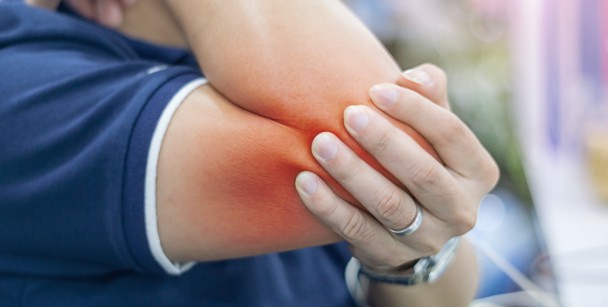
Tennis elbow, medically called lateral epicondylitis, is a form of tendinopathy affecting the tendons that attach the forearm extensor muscles to the lateral epicondyle, the bony prominence on the outer side of the elbow.
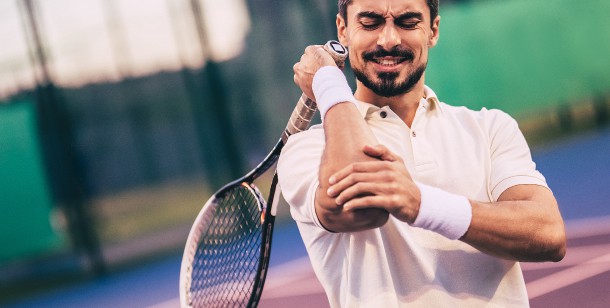
Despite its name, tennis elbow has nothing to do with tennis specifically. The name comes from the fact that the repetitive racket-swinging motion in tennis is a classic mechanism for developing this condition. But the actual injury is simply tendon damage from repetitive overuse, and it can develop from dozens of different activities.
What Is Actually Happening Inside the Elbow?
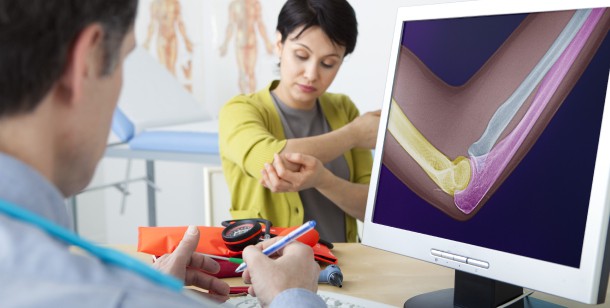
The extensor carpi radialis brevis (ECRB) is the primary muscle and tendon involved in lateral epicondylitis. This tendon attaches to the lateral epicondyle and plays a key role in stabilizing the wrist during gripping and forearm rotation activities.
When this tendon is subjected to repeated strain, particularly the combination of gripping and forearm rotation, microscopic tears develop in the tendon fibers. The body attempts to repair these micro-tears through an inflammatory healing response. However, when the repetitive strain continues before healing is complete, the micro-tears accumulate faster than they can be repaired.
Over time, the tendon develops areas of disorganized, degenerated tissue, a condition called tendinosis, rather than true inflammation. This distinction is important because it explains why anti-inflammatory medications alone are often insufficient for long-term resolution of tennis elbow. The underlying problem is tendon degeneration, not just inflammation.
What Causes Tennis Elbow?
Tennis elbow is fundamentally an overuse injury, caused by repetitive stress on the tendon that exceeds its capacity to repair itself between loading cycles. Understanding the specific activities that cause it helps identify and eliminate the trigger.
Sports and Athletic Activities That Cause Tennis Elbow
- Racket Sports: Tennis, racquetball, squash, and badminton all involve the repetitive combination of gripping and forearm rotation that stresses the ECRB tendon. Poor technique, particularly an incorrect backhand stroke, significantly increases tennis elbow risk. Using a racket that is too heavy, too stiff, or strung at excessive tension also contributes.
- Golf: Despite affecting the opposite side of the elbow from classic tennis elbow in most cases, golf-related repetitive forearm stress can produce lateral epicondylitis, particularly from driving range overuse or awkward impact with the ground.
- Baseball and Softball: Batting, pitching, and throwing motions involve repetitive forearm rotation that can strain the lateral elbow tendons, particularly in pitchers and fielders who throw at high frequency.
- Bowling: The gripping and release motion in bowling stresses the wrist extensors and can produce lateral epicondylitis in regular bowlers.
- Fencing: The repetitive wrist and forearm movements in fencing produce cumulative tendon stress identical in mechanism to tennis.
- Weight Lifting: Exercises involving gripping, particularly reverse curls, pull-downs, and rowing movements, repeatedly load the extensor tendons and can cause or exacerbate tennis elbow.
Non-Athletic Activities That Cause Tennis Elbow
Tennis elbow is emphatically not just a sports injury. The majority of cases actually occur in people who have never played tennis. Occupational and everyday activities are frequent culprits.
- Carpentry and Construction Work: Hammering, sawing, screwing, and gripping power tools involve exactly the type of repetitive forearm pronation and supination that strains the lateral elbow tendons. Tennis elbow is an occupational hazard for carpenters, plumbers, electricians, and construction workers.
- Computer Work and Typing: Extended periods of keyboard and mouse use maintain the wrist extensors in a continuous low-level contraction. Over hours and days of computer work, this sustained low-level loading accumulates and produces tendon micro-damage, particularly at the ECRB insertion. Office workers and programmers develop tennis elbow at surprisingly high rates.
- Painting: The repeated brush-stroke motion and gripping of a paint roller produce forearm rotation patterns that stress the lateral elbow tendons. House painters and artists are at elevated risk.
- Gardening: Raking, pruning, digging, and gripping garden tools all involve repetitive forearm and wrist movements. Gardeners, particularly those who increase gardening intensity suddenly in spring, frequently develop tennis elbow.
- Knitting and Needlework: The fine, repetitive hand and forearm movements of knitting, crocheting, and embroidery can produce cumulative tendon stress leading to lateral epicondylitis.
- Cooking and Kitchen Work: Professional cooks and chefs who spend hours chopping, whisking, and gripping utensils develop tennis elbow at higher than average rates.
Who Is at Highest Risk for Tennis Elbow?
- People using improperly fitted equipment: Rackets, tools, or grips that are the wrong size force compensatory movements that stress the lateral elbow
- Adults over 40: Tendon tissue becomes less resilient and slower to repair with age
- People who suddenly increase activity intensity: The 10% rule applies to tendons just as to muscles: gradual progression prevents overuse injury
- Workers in physically demanding occupations, particularly those involving repetitive gripping and forearm rotation
- Athletes with poor technique: Improper form in racket sports, baseball, and golf significantly increases tendon stress
Symptoms of Tennis Elbow: What Does It Feel Like?
Recognizing the specific symptom pattern of tennis elbow helps distinguish it from other elbow and forearm conditions, including golfer’s elbow, radial tunnel syndrome, and referred pain from the neck or shoulder.
Classic Tennis Elbow Symptoms
Pain at the Lateral Epicondyle
The primary symptom is pain and tenderness centered on the bony prominence on the outer side of the elbow, the lateral epicondyle. Pressing on this area reproduces the characteristic pain. This tenderness is the hallmark of lateral epicondylitis.
Pain That Radiates Into the Forearm
The pain often radiates from the lateral epicondyle down the outer forearm toward the wrist. In some cases it extends into the back of the hand. This radiation pattern follows the distribution of the ECRB muscle and tendon.
Pain With Specific Movements
Tennis elbow pain is characteristically provoked by:
- Lifting objects, particularly with the palm facing down
- Gripping or squeezing objects tightly, a handshake, opening a jar, or squeezing a ball
- Turning a doorknob or key
- Raising the hand or straightening the wrist against resistance
- Typing or using a mouse for extended periods
- Pouring from a pitcher or kettle
Weakness of Grip
Many people with tennis elbow notice reduced grip strength in the affected hand. Holding objects feels less secure and tiring sooner than usual.
Morning Stiffness
The elbow and forearm may feel stiff and achy in the morning, particularly after a period of rest. This reflects the inflammatory component of the healing response that accumulates during inactivity.
Tennis Elbow vs. Golfer’s Elbow: The Key Distinction
Golfer’s elbow, medial epicondylitis, affects the tendons on the inner side of the elbow rather than the outer side. The distinction is anatomical:
- Tennis elbow (lateral epicondylitis): Pain on the OUTER side of the elbow
- Golfer’s elbow (medial epicondylitis): Pain on the INNER side of the elbow
Both are overuse tendinopathies but affect different muscle groups and respond to similar but specifically targeted treatment approaches.

How Is Tennis Elbow Diagnosed?
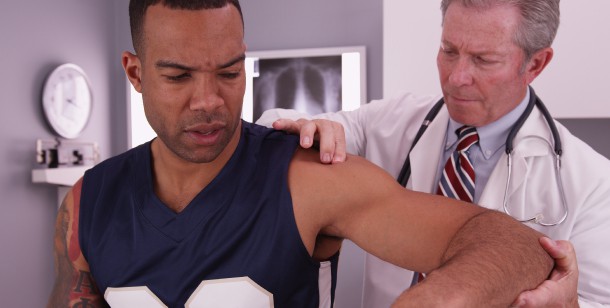
In most cases, tennis elbow is a clinical diagnosis, meaning the physician diagnoses it based on your history and physical examination without requiring imaging.
Clinical Examination
Your physician will ask about:
- The specific location, character, and onset of your pain
- Activities, work and recreational, that you perform regularly
- Whether specific movements reproduce or worsen the pain
- Previous elbow injuries or surgeries
- The timeline of your symptoms, when they started and how they have progressed
Physical examination tests specifically for tennis elbow include:
Cozen’s Test
The physician stabilizes your elbow while you make a fist, extend your wrist, and pronate your forearm against resistance. Reproduction of lateral elbow pain is a positive test, highly specific for tennis elbow.
Mill’s Test
The physician fully extends your elbow while passively flexing your wrist. Pain at the lateral epicondyle is a positive finding.
Palpation
Direct pressure on the lateral epicondyle and just distal to it reproduces the characteristic tenderness of tennis elbow.
When Imaging Is Used
Imaging is not typically required for a straightforward tennis elbow diagnosis. However, your physician may order imaging if:
- Symptoms are severe and not responding to standard treatment
- The diagnosis is uncertain and other conditions need to be ruled out
- There is concern about a fracture, joint problem, or other structural abnormality
X-Ray
Rules out fractures, loose bodies in the elbow joint, and calcifications within the tendon. Our on-site X-ray services provide immediate results.
MRI
Provides detailed imaging of the tendon itself, showing the extent of tendon degeneration, partial tears, and associated joint pathology. MRI is reserved for cases that do not respond to treatment or where surgical planning is needed.
Ultrasound
Can visualize tendon degeneration and partial tears in real time and can guide injection treatments. Our ultrasound services are available on-site for urgent evaluation.

How Long Does Tennis Elbow Last?
This is the question everyone with tennis elbow wants answered, and the answer depends significantly on how seriously you take your recovery.
Recovery Timeline Based on Severity and Management
- Mild Tennis Elbow, With Proper Rest and Treatment: Mild cases, where symptoms have been present for less than four to six weeks and the activity causing the injury is promptly identified and stopped, typically resolve within four to six weeks with conservative home treatment.
- Moderate Tennis Elbow, Established Symptoms: Cases where symptoms have been present for two to six months and some tendon degeneration has developed typically require three to six months of consistent, appropriate treatment to fully resolve.
- Severe or Chronic Tennis Elbow: Cases where the condition has been present for more than six months, particularly if the person has continued the offending activity or has resumed it too early, can take up to one to two years to fully resolve. In a small percentage of cases, symptoms persist beyond two years and require surgical intervention.
The Critical Variable: Stopping the Offending Activity
The single most important determinant of recovery time is whether or not you stop doing the activity that caused the injury, and how quickly you make that decision. Many people continue working or playing through tennis elbow pain because it seems manageable. This decision consistently doubles or triples recovery time by preventing the tendon from beginning the healing process.
How to Heal Tennis Elbow Fast: A Complete Recovery Protocol
Effective tennis elbow treatment is progressive, moving through phases as symptoms improve.
Phase 1: Acute Management (Weeks 1–4)
Stop the Offending Activity
This is the most important step and the one most people resist. Identify the specific activity, sport, occupational task, or habitual movement, causing your tennis elbow. Stop it completely until pain has fully resolved. Partial rest, reducing but not eliminating the offending activity, is not sufficient for healing to begin.
Rest and Activity Modification
During the acute phase, avoid all activities that reproduce elbow pain. This includes seemingly unrelated activities that load the wrist extensors, heavy lifting, prolonged gripping, and computer mouse use. Modify your workspace to reduce forearm strain, an ergonomic keyboard, vertical mouse, and wrist rest can make a significant difference for office workers.
Ice Therapy
Apply a wrapped ice pack to the lateral elbow for 15 to 20 minutes, three to four times daily. Ice reduces acute inflammatory pain and provides temporary analgesic relief. After the first 48 to 72 hours, transition to alternating ice and heat to promote blood flow and tissue healing.
NSAIDs
Ibuprofen or naproxen taken consistently on schedule, not just when pain is at its worst, reduces the inflammatory component of tennis elbow pain and supports the tissue repair environment. Take with food and follow dosing instructions carefully. A two-week course during the acute phase is typically appropriate.
Tennis Elbow Strap (Counterforce Brace)
A counterforce brace, a strap worn just below the elbow, redirects forces away from the damaged tendon attachment. This does not treat the underlying condition but significantly reduces pain during unavoidable activities. Wear it during any activity that loads the forearm rather than all day long.
Phase 2: Active Recovery (Weeks 4–8)
Eccentric Strengthening Exercises
Eccentric exercise, lengthening a muscle under load, is the most evidence-supported intervention for tendinopathy rehabilitation. For tennis elbow, the classic eccentric exercise is the Tyler Twist or wrist extension eccentric:
Wrist Extension Eccentric Exercise:
- Hold a lightweight dumbbell (0.5 to 1 kg initially) with the affected arm, palm facing down
- Use your healthy hand to lift the weight into the top position, wrist fully extended
- Slowly lower the weight using only the affected arm over a count of three to five seconds
- Return to the starting position using the healthy hand
- Perform three sets of 15 repetitions, twice daily
The slow eccentric lowering phase is the therapeutic component. It stimulates tendon fiber remodeling and promotes organized collagen synthesis at the injury site. Begin with very light resistance and progress very gradually, this exercise should produce mild discomfort but not severe pain.
Wrist Flexion Stretching
Extend the affected arm straight in front of you. Use the opposite hand to gently bend the wrist downward, pointing fingers toward the floor. You will feel a stretch along the top of the forearm. Hold for 30 seconds. Repeat three times. Perform three times daily.
This stretch lengthens the wrist extensor muscles and reduces tension at the lateral epicondyle attachment point.
Forearm Pronation and Supination
Holding a light hammer or similar weighted object, rotate the forearm slowly from palm-up to palm-down position through the full range of motion. Three sets of 15 repetitions, twice daily. This gently loads the forearm rotators through their functional range, restoring movement control and reducing stiffness.
Phase 3: Strengthening and Return to Activity (Weeks 8–16+)
Progressive Resistance Training
As pain resolves with eccentric exercises, begin progressive resistance training of the wrist extensors, forearm supinators, and grip muscles. This rebuilds the strength deficit that tennis elbow creates and provides durable protection against recurrence.
Technique Correction
Before returning to the sport or occupation that caused your tennis elbow, address the biomechanical factors that contributed. For tennis players, this means a formal technique review, particularly backhand mechanics. For computer workers, it means ergonomic workspace assessment. For manual laborers, it means reviewing grip and tool use technique.
Equipment Assessment
Tennis players should have their racket restrung at lower tension and consider a larger grip size. Tools should be assessed for appropriate grip diameter. Handles that are too thin or too thick force compensatory forearm muscle activation that stresses the lateral elbow.
Physical Therapy
For moderate to severe cases, working with a physical therapist provides significant advantages over self-directed rehabilitation. A therapist performs a comprehensive biomechanical assessment, designs a personalized exercise progression, and may use adjunct treatments including:
- Ultrasound therapy: Promotes tissue healing through deep heat
- Dry needling: Stimulates tendon healing through controlled micro-trauma
- Instrument-assisted soft tissue mobilization (IASTM): Breaks up scar tissue and promotes tendon remodeling
- Manual therapy: Joint mobilization of the elbow, wrist, and cervical spine to restore normal movement mechanics
For related overuse injuries of the lower extremity, see our guide on how long do shin splints last, the rehabilitation principles are closely parallel.
Medical Treatment Options for Tennis Elbow
When conservative home treatment is not providing adequate relief, several medical interventions are available.
Corticosteroid Injection
A corticosteroid injection directly into the lateral epicondyle area provides significant short-term pain relief, typically within one to two weeks. It is most appropriate for severe acute pain that is preventing engagement with rehabilitation exercises.
However, research shows that corticosteroid injections, while providing rapid short-term relief, are associated with higher recurrence rates than physiotherapy alone at 12 months. They do not treat the underlying tendon degeneration. They are a bridge to rehabilitation, not a standalone cure.
Platelet-Rich Plasma (PRP) Injection
PRP therapy involves drawing a small amount of the patient’s own blood, processing it to concentrate the growth factors in the platelets, and injecting this concentrated solution into the tendon. Growth factors stimulate tendon cell activity and collagen synthesis, potentially accelerating tendon healing.
Evidence for PRP in tennis elbow is promising, several studies show superior long-term outcomes compared to corticosteroid injection. It is increasingly offered for chronic tennis elbow that has not responded to conservative treatment.
Extracorporeal Shock Wave Therapy (ESWT)
High-energy acoustic waves are directed at the lateral epicondyle area, stimulating tissue healing through a mechanism similar to controlled micro-trauma. ESWT is used for chronic tennis elbow cases resistant to other treatments. Multiple sessions are typically required.
Surgical Treatment
Surgery for tennis elbow is reserved for the small percentage of cases, approximately 5 to 10%, that do not respond to 6 to 12 months of comprehensive conservative treatment. The surgical procedure involves removing the degenerated tendon tissue and reattaching healthy tendon to bone. Success rates are high, approximately 80 to 90% report significant improvement, but recovery from surgery takes three to six months.
Why Is My Tennis Elbow Not Healing?
If your tennis elbow is not improving despite treatment, several common reasons explain the lack of progress.
Most Common Reasons Tennis Elbow Fails to Heal
You Have Not Stopped the Offending Activity
This is the most common reason. Many people reduce but do not eliminate the activity causing the injury. The tendon cannot heal while being continuously re-injured.
You Returned to Activity Too Soon
Pain resolving does not mean healing is complete. The tendon requires significantly longer to fully remodel and strengthen than for pain to disappear. Returning to full activity the moment pain is gone is the leading cause of relapse.
The Diagnosis Is Wrong
Several conditions mimic tennis elbow and require different treatment:
- Radial tunnel syndrome: Compression of the radial nerve produces lateral elbow and forearm pain that is often mistaken for tennis elbow. Unlike tennis elbow, radial tunnel syndrome produces pain further down the forearm and causes more pronounced forearm fatigue.
- Posterior interosseous nerve entrapment: Similar to radial tunnel syndrome
- Cervical radiculopathy: Nerve root compression in the neck can refer pain to the lateral elbow
- Elbow joint pathology: Osteoarthritis, loose bodies, or plica can produce lateral elbow pain
If your tennis elbow is not responding to appropriate treatment after six to eight weeks, reassessment by a physician is essential.
Your Rehabilitation Has Been Passive Only
Rest, ice, and bracing alone are insufficient for chronic tennis elbow. Active eccentric strengthening is essential for stimulating tendon remodeling. Without exercise-based rehabilitation, the tendon does not develop the organized collagen structure needed for durable recovery.
When to Go to the ER or Seek Urgent Medical Care for Elbow Pain
Most tennis elbow is managed through outpatient care. However, certain presentations warrant urgent or emergency evaluation.
Seek Immediate Emergency Care If You Have:
- Sudden, severe elbow pain following a specific traumatic event, possible fracture or ligament rupture
- Visible elbow deformity or inability to extend or flex the elbow
- Numbness, tingling, or weakness in the hand or fingers, possible nerve injury
- Elbow pain with fever and warmth, possible septic arthritis or osteomyelitis requiring urgent treatment
- Rapid onset severe elbow swelling following injury
- Elbow pain after a fall or direct blow that is not consistent with a simple soft tissue injury
Our orthopedic care team evaluates all acute elbow injuries with on-site X-ray and imaging, distinguishing tennis elbow from fractures, dislocations, and other serious elbow conditions requiring different management.
How to Prevent Tennis Elbow From Returning
Once you have experienced tennis elbow, your risk of recurrence is elevated. Prevention requires sustained attention to technique, equipment, and training load management.
Long-Term Tennis Elbow Prevention Strategies
- Maintain forearm and wrist strength year-round: Particularly wrist extensor and grip strength. Strong muscles absorb more of the tendon’s load.
- Warm up before any repetitive forearm activity: Five minutes of gentle range of motion and progressive loading before full-intensity activity
- Follow the 10% rule for training progression: Never increase activity volume or intensity by more than 10% per week
- Address technique flaws proactively: Work with a coach or instructor to correct biomechanical errors before they produce injury
- Check equipment regularly: Replace worn grips, reassess racket string tension seasonally
- Take regular breaks during prolonged repetitive tasks: Particularly computer work, stretch and rest the forearms every 45 to 60 minutes
Why Village Emergency Center Is Here for Your Elbow and Sports Injuries
Elbow pain that is severe, not improving, or accompanied by alarming symptoms deserves prompt expert evaluation, not days of wondering and waiting. Village Emergency Center is open 24 hours a day, every day of the year, with board-certified emergency physicians, on-site X-ray and imaging, and orthopedic assessment capability available the moment you walk in. Patients across League City, Jersey Village, and Clear Creek trust us to evaluate musculoskeletal injuries thoroughly, providing accurate diagnosis and a clear treatment plan without the hours-long wait of a traditional hospital ER. Whether it is a straightforward tennis elbow assessment or an acute elbow injury requiring imaging, we are always ready. Schedule your visit or walk in right now, we are always here when you need us.