
While nature can be a source of peace and serenity, it can also be one of our greatest irritants. If you are spending time in the great outdoors this summer, you are more than likely to come across a variety of different plants, but what plants actually cause rashes and allergic reactions?
Do not let a skin rash ruin the end of a peaceful afternoon in nature. Learn more about these common irritating plants so you can spot them and avoid them on your next outdoor stroll.
Types of Poisonous Plants that Cause Rashes
Several plants found throughout Texas and the rest of North America are known for causing skin irritation, and some carry risks that go well beyond a simple rash. Knowing what to look for can save you a lot of discomfort later.
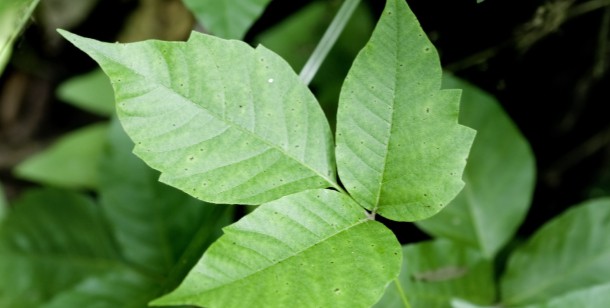
Poison Ivy
Poison ivy is probably the most widely known itchy plant in North America. Found across the entire United States, poison ivy can grow in any weedy area, including roadsides and fences. The plant can be identified by its shiny three leaf clusters, and once physical contact has been made with any part of it, it can cause redness, swollen skin, blisters, and severe itching.
The rash typically appears a few days after exposure and can take up to a week or two to resolve on its own. In the meantime, you can soothe your skin with anti itching creams or ointments, such as calamine lotion. Oatmeal baths and heavy duty moisturizers also help relieve itching and inflammation while your skin heals.
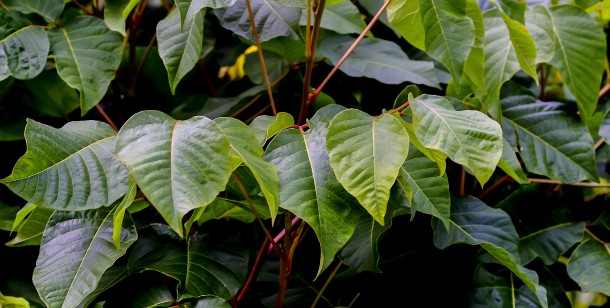
Poison Sumac
If you are planning to hike through a wet woodland area in Texas, you should be aware of poison sumac. This tall shrub also produces rashes and has clusters of green berries, and it tends to grow alongside ponds, stream banks, and other wetlands. Physical contact with the oil from poison sumac can cause skin irritation such as itchiness, burning sensations, redness, swelling, and watery blisters within 8 to 48 hours after exposure.
If you make contact with poison sumac, the first step is to remove the oil from your exposed skin by washing the area thoroughly with cool water and dishwashing soap or detergent. You should also wash any clothing, shoes, or gear that may have been contaminated. While there is no cure for a poison sumac rash, over the counter remedies like calamine lotion and hydrocortisone cream can help, and an oatmeal bath also helps relieve itching.
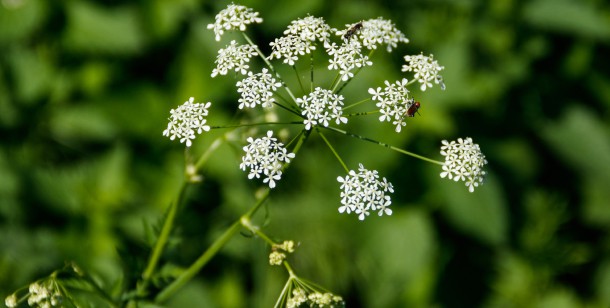
Water Hemlock
Water hemlock is considered one of the most poisonous plants across North America. It has white flower clusters, a purple spotted stem, and can grow up to nine feet tall. It usually turns up along roadsides, near fences, and in pastures, which makes it easy to stumble across without realizing what it is.
Water hemlock contains toxic alkaloids that can cause respiratory failure within 30 minutes of ingestion, depending on how much made it into your system. Common symptoms include muscle pain, a rapid heart rate followed by a sudden drop, increased salivation, dilated pupils, convulsions, and burning in the digestive tract. In more severe cases, hemlock poisoning can lead to respiratory failure, central nervous system depression, and death, so anyone showing symptoms after touching, tasting, or eating hemlock should seek medical attention immediately.
Mistletoe
You can share a kiss under it, but be sure not to eat it. Mistletoe is an evergreen plant with poisonous berries, leaves, and stems, and it contains the proteins phoratoxin and viscotoxin, both of which are toxic when ingested. Symptoms can range from mild to severe and include blurred vision, nausea, vomiting, stomach pain, drowsiness, and heart problems.
Severe symptoms tend to develop most often in children, since a small amount of the plant makes up a much larger dose relative to their body weight. Keeping an eye on what household items and plants pose a poisoning risk to young children is worth doing well before the holiday season, when mistletoe tends to show up in homes. It is advisable to seek immediate medical attention as soon as you become aware that mistletoe has been ingested.
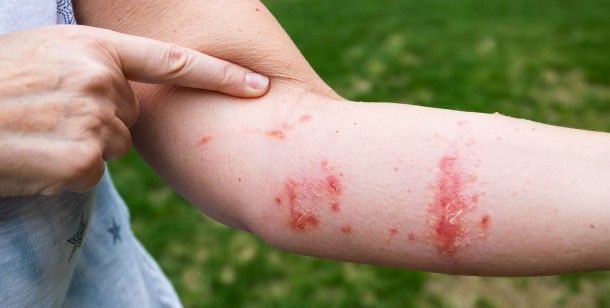
When to Seek Help for a Plant Related Rash
In most cases, ingesting a poisonous plant calls for immediate professional medical help, but that is not necessarily true if your only exposure was through physical contact with your skin. Rashes from contact alone often resolve with home care, though certain symptoms mean it is time to see a doctor rather than wait it out.
Warning Signs That Need Medical Attention
Extreme inflammation, a fever over 100 degrees, or tenderness and itchiness that keeps getting worse are all signs worth taking seriously. A rash that shows no sign of improvement after a week or two, or one that covers your eyes, mouth, genital area, or roughly a quarter of your body, also warrants a trip to the doctor. Yellow scabs or pus around the rash are signs of a possible infection that needs treatment beyond home remedies.
Outdoor exposure does not stop at plants either, and it helps to know when an insect bite or sting needs medical attention since ticks and biting insects often share the same wooded or overgrown areas as poison ivy and poison sumac.
How to Avoid a Rash After Exposure
It does not take much time for a rash to develop once you have been exposed to a poisonous plant, but there are steps you can take right away to help relieve pain and shorten the healing process.
Immediate Steps to Take
Head indoors or somewhere shaded as soon as you realize you may have had contact with a poisonous plant. Wash your skin with cool water and dishwashing soap to remove the oil, then rinse and gently pat the area dry with a clean towel rather than rubbing it. Avoid scratching the rash or any blisters that form, since broken skin heals slower and is more prone to infection.
Soothing the Skin Afterward
A cool, wet washcloth applied to the area helps calm the itching and reduce swelling in the hours after exposure. Apply itching creams as needed throughout the healing process, and reach out to your doctor if the itching becomes severe enough to interfere with sleep or daily activity. In rare cases, a severe allergic reaction to a plant can escalate quickly, so it helps to know which allergic reactions are considered life threatening so you recognize the difference between a rash that needs home care and one that needs emergency treatment.
Stay Safe Outdoors
Being one with nature should not come with unnecessary risks. Knowing the different types of irritating plants and the precautions to take once exposed can save you from weeks of endless itching or even a trip to the hospital.
Staying informed is the simplest way to enjoy the outdoors without worry. A little preparation before your next hike or afternoon in the yard goes a long way toward keeping a fun day from turning into an uncomfortable week.
Visit Village Emergency Centers
Wondering what plants cause rashes was just the first step. If exposure leads to a severe reaction, a widespread rash, or symptoms of poisoning, our expert team is ready to help you get back to enjoying the outdoors.
If you are near Clear Creek, walk in anytime or reach out ahead of your visit so we can prepare for your arrival.
Village Emergency Center offers 24 hour care every day of the year, so you can get the medical attention you need without worrying about wait times or office hours.